Travel Category

My Ranthambore Safari Experience – Where the Wild Comes Alive

by

Ranthambore National Park is widely regarded as one of India's most iconic wildlife destination, offering an exceptional blend of natural beauty, rich biodiversity, and historical significance. Renowned for its thriving population of Royal Bengal Tigers and remarkable conservation success, the park provides visitors with an immersive safari experience that extends far beyond wildlife observation. 

My recent visit to Ranthambore was not merely a journey through a national park, but an opportunity to witness the remarkable harmony between nature, heritage, and conservation. The experience began in the early hours of the morning as our safari vehicle entered the park. The crisp morning air, the soft golden light filtering through the forest canopy, and the melodious calls of birds created a tranquil yet exhilarating atmosphere. Every winding trail and every movement within the forest heightened the anticipation of encountering wildlife, making the journey as rewarding as the destination itself. 

My safari was allocated to Zone 3 which is done by the Forest Department. I was instructed to report to the national park's boarding gate at least 30 minutes before the safari starting time. We arrived on time and met the naturalist assigned to me by the Forest Department. While we waited, the naturalist briefed us on the park's rules and regulations. We were also informed of an important new policy prohibiting the use of mobile phones inside the national park. According to the latest regulations, visitors are no longer permitted to carry or use mobile phones within the park. At exactly 6:00 a.m., the gates of the national park opened, marking the beginning of the safari.

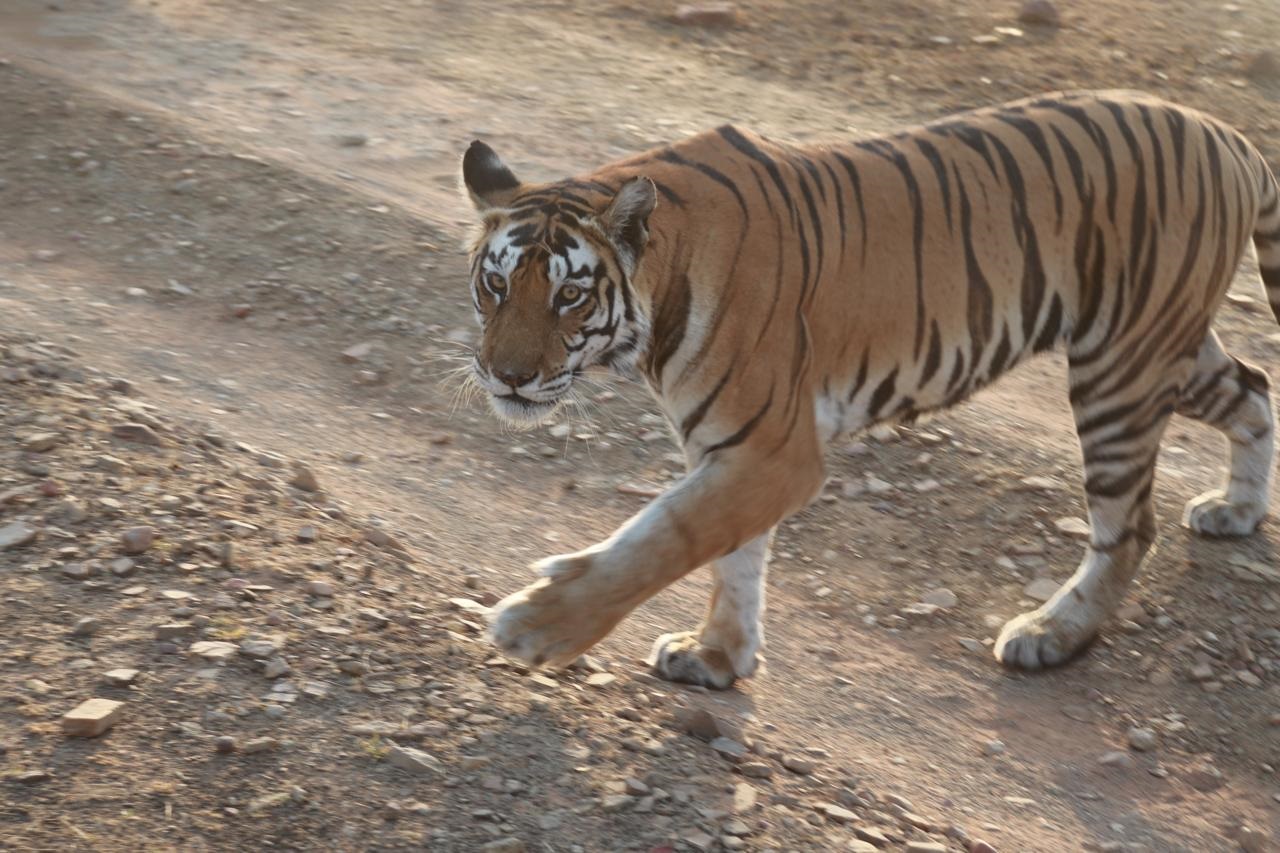
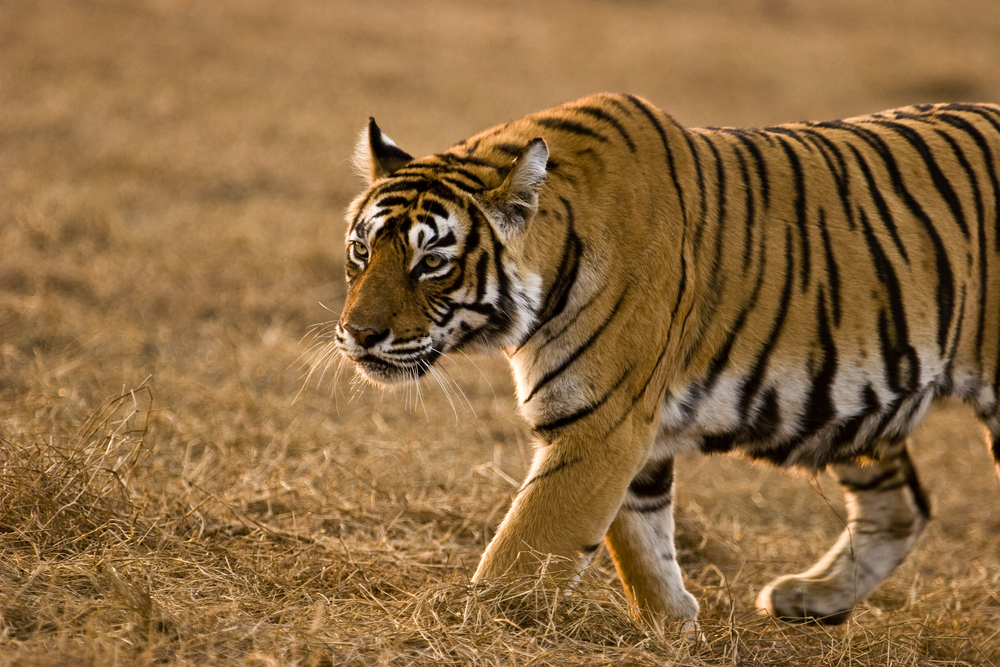
Our safari began as we entered Zone 3 through Singh Dwar Gate, surrounded by the breathtaking landscape of Ranthambore National Park. Like every visitor, we hoped to catch a glimpse of the elusive tiger. To our amazement, just a few minutes after entering the forest, we encountered one. It was an unforgettable moment—the safari had only just begun, and there, right before our eyes, was a magnificent tiger walking calmly across the safari track, only a few feet away from our gypsy. It seemed as though the tiger was peacefully enjoying the fresh morning air, completely unfazed by the vehicles around it.

Soon, several other safari vehicles arrived, and everyone watched in awe as the majestic tiger crossed the path. Witnessing such a close sighting so early in the safari felt incredibly fortunate and made for a truly memorable start to our journey.

After this remarkable encounter, we proceeded to Padam Talao, the largest lake within Ranthambore National Park. The lake is renowned for its rich wildlife, where visitors often spot deer grazing along the shoreline, marsh crocodiles basking on the banks, numerous migratory birds, and on occasion, tigers approaching the water to drink or cool off during the warmer months. On our way to the lake, we observed several species of wildlife, including Sambar Deer, Nilgai, and Hanuman Langurs, all thriving in their natural habitat.
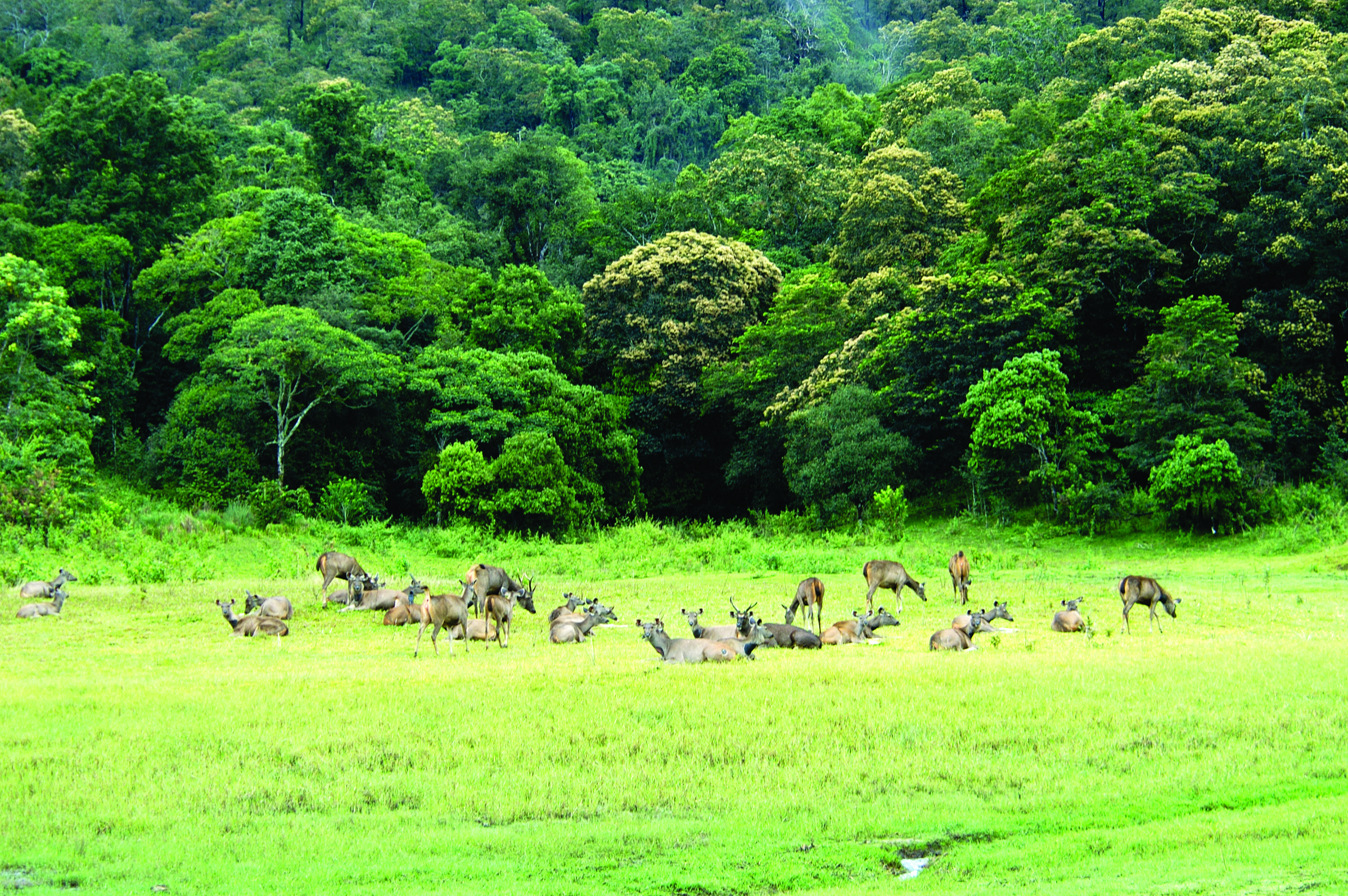
Adjacent to Padam Talao are the historic Rajbagh Ruins, a centuries-old hunting pavilion surrounded by dense forests and open grasslands. The unique combination of ancient ruins, tranquil water bodies, and prime tiger habitat creates one of the most picturesque landscapes among India's tiger reserves.

After patiently waiting for nearly 40–45 minutes near the lake, our patience was rewarded when a tiger cub emerged near the water's edge. The sighting brought immense joy and made our safari even more special. During this time, we also observed several marsh crocodiles basking peacefully along the banks of the pond.

Following the cub sighting, we continued towards Jogi Mahal, a historic structure that is often visited by tigers and serves as one of their preferred resting areas. Although we were hopeful, we were unfortunately unable to spot a tiger there.

Our final stop was the High Point, an elevated vantage point that offers tigers an excellent strategic position for observing and hunting their prey. While we did not encounter another tiger, the panoramic views of the forest and the opportunity to explore one of Ranthambore's key wildlife locations provided a fitting conclusion to an extraordinary safari experience

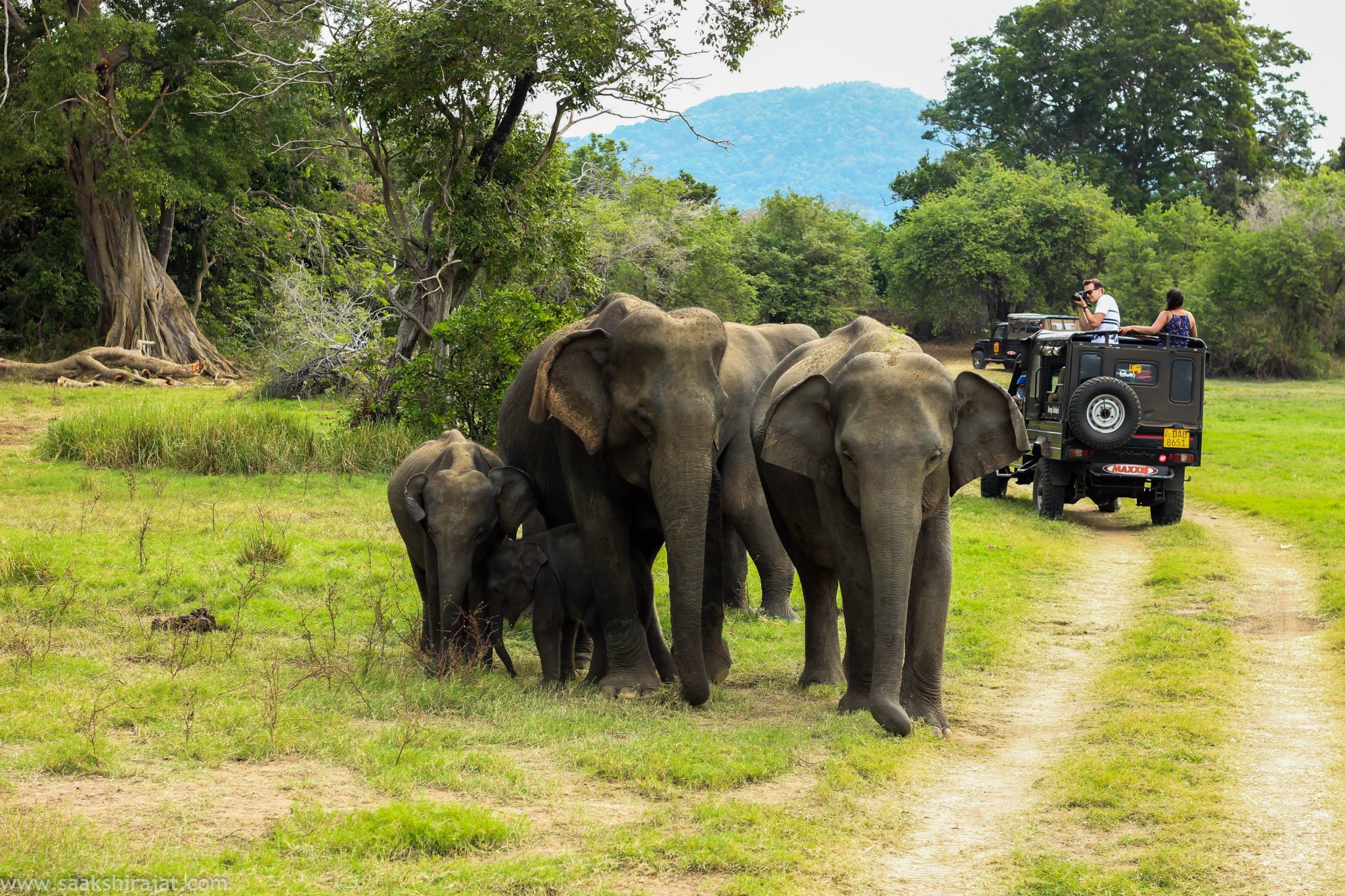
As the safari progressed, the richness of Ranthambore's ecosystem became increasingly evident. The park is home to an extraordinary variety of wildlife, including sambar deer, spotted deer, nilgai, wild boar, langurs, marsh crocodiles, sloth bears, and an impressive diversity of resident and migratory bird species. Each wildlife sighting offered valuable insight into the ecological diversity that has established Ranthambore as one of India's premier national parks

The overall experience was greatly enhanced by the expertise and professionalism of the park's certified naturalists and safari drivers. Their extensive knowledge of wildlife behavior, habitat ecology, and conservation practices provided meaningful interpretation throughout the journey. Their ability to track wildlife while educating visitors about the park's delicate ecosystem transformed the safari into a truly enriching and educational experience. 

As our visit concluded, we departed with far more than memorable photographs. I left with a renewed appreciation for India's extraordinary wildlife heritage and a deeper understanding of the critical role that conservation and sustainable tourism play in safeguarding these invaluable natural landscapes for future generations. 

For wildlife enthusiasts, photographers, nature lovers, and discerning travelers alike, Ranthambore National Park offers an experience that is both inspiring and unforgettable. It is not merely a destination for observing the Royal Bengal Tiger; it is a place where visitors can truly connect with nature, appreciate India's conservation achievements, and experience one of the country's finest wildlife landscapes in its most authentic form.


By Rajan Mishra – August 2026

India’s Golden Quadrilateral. Agra , Ranthambore and Jaipur

by

When one thinks of travelling to India, especially the first time visitors, what can be a better answer than India’s Golden Triangle! Nothing introduces India with all its beautiful mayhems better than the well-connected tourist circuit of Delhi-Agra-Jaipur. And for those, who keep a “Soft” spot for the “Wild” life, Ranthambore is the just the perfect add on, making it a perfect Golden Quadrilateral.

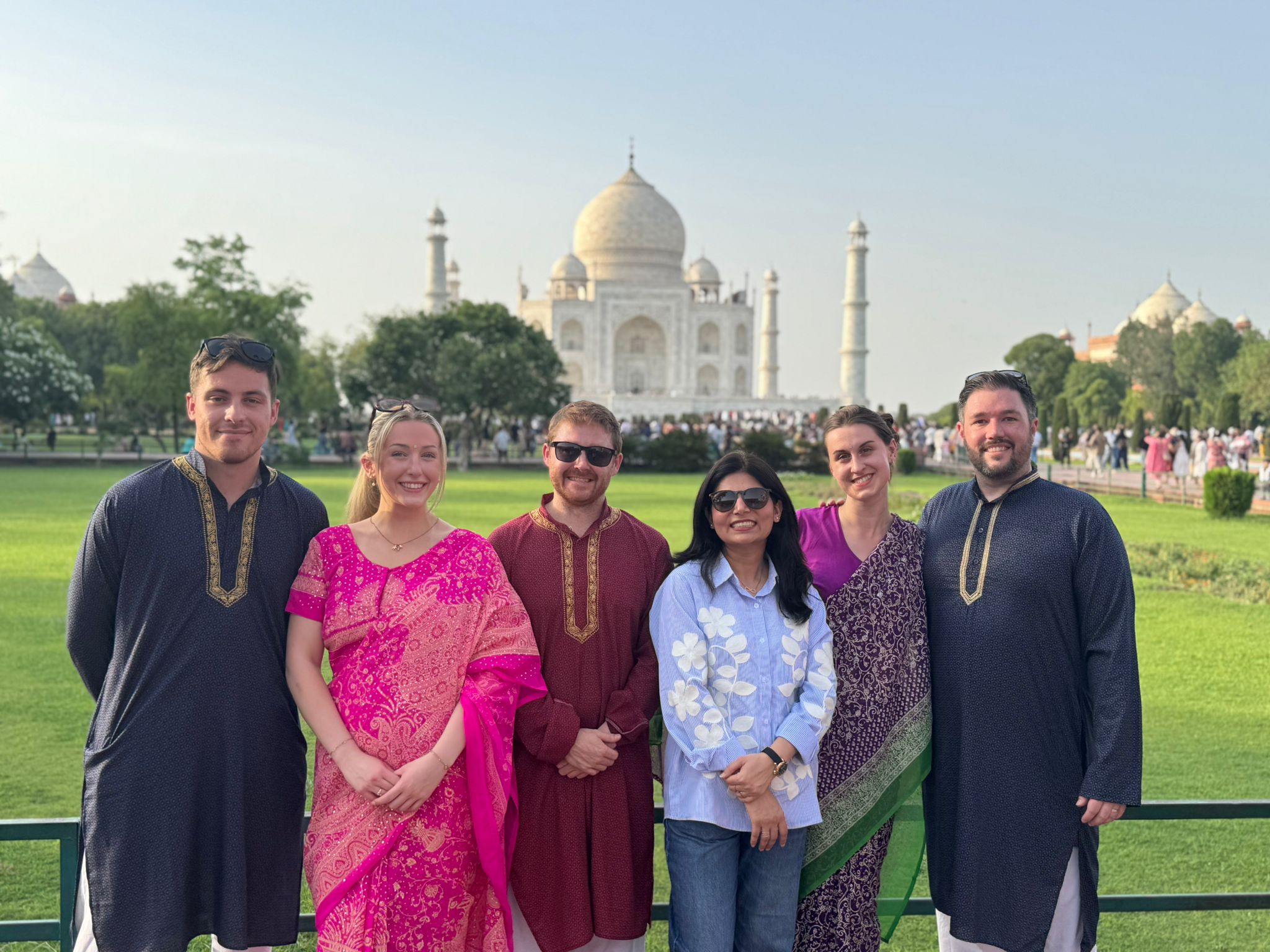
I recently got the opportunity to accompany a group of Travel Agents and revisit this circuit on a 04 nights/ 05 days tour starting with Agra – home to one of the world’s 07 wonders – the Taj Mahal. Though, it was certainly not my first time visiting the Taj Mahal but it still did not fail to blow me away with its architecture and intricate designs. One cannot help but be in awe with the architecture and specially when you realise that it is coming from that time of the history where when the architects were most definitely not backed by AI – a pure human genius! Then of course, you get to hear a thousand stories about love and how love was the sole foundation for this grand monument. Then I went to Agra Fort and another UNESCO Heritage Site, Fatehpur Sikri. I called myself lucky as I enjoyed the hospitality of The Oberoi Amarvilas. It was in my bucket list and this trip gave me a chance to fulfil this. No one can beat the hospitality of Oberoi group and I always heard that the word “No” does not exist in Oberoi’s dictionary and I really felt so. Another highlight of Agra for me , was Dinner at the Peshawari Restaurant (at the ITC Mughal).  Said to be the sister restaurant of the famous Bukhara Restaurant in Delhi,  their signature dishes include the Raan (whole leg of lamb) and the Daal Bukhara (slow-cooked black lentils).

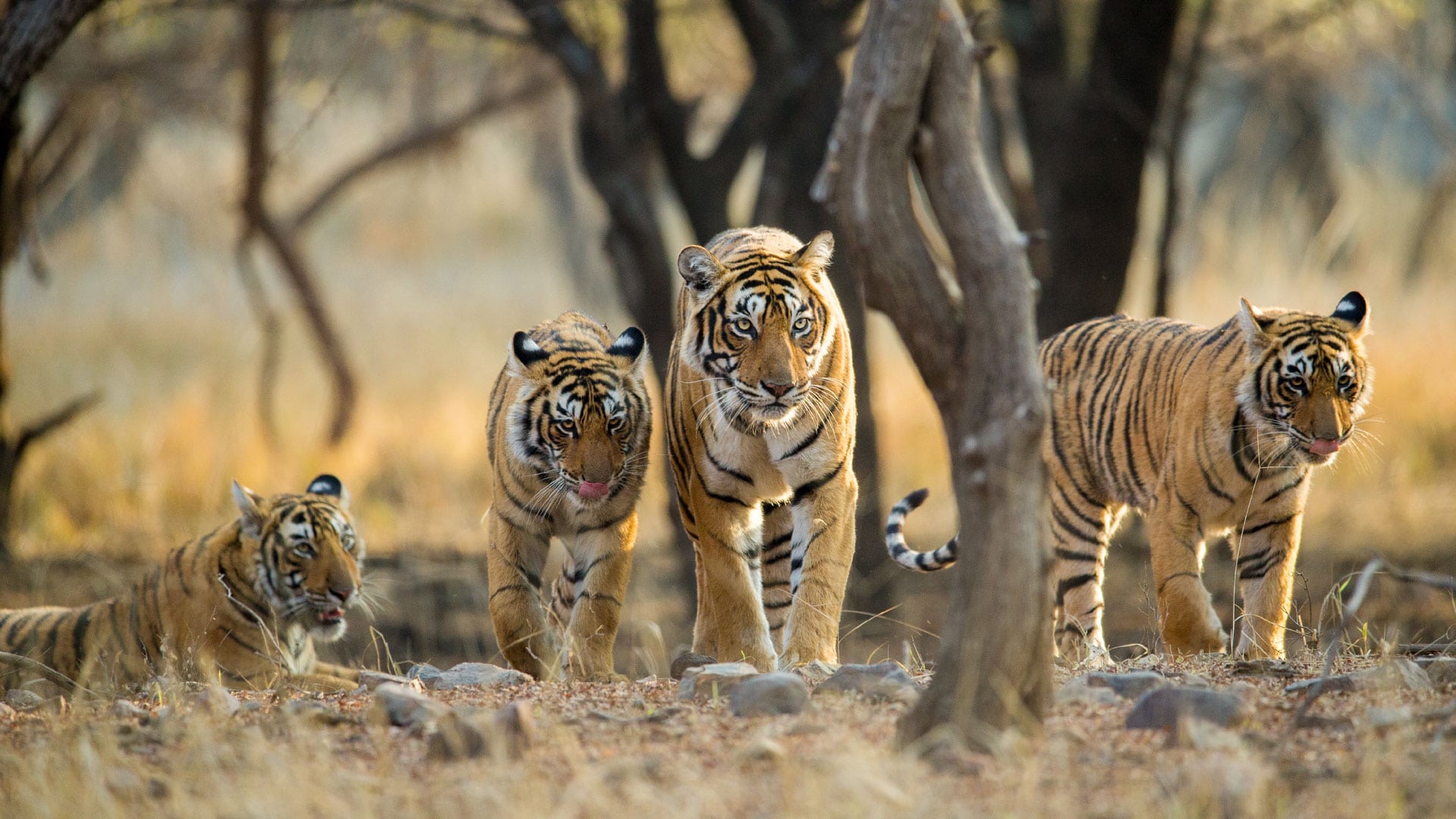
The next stop was Ranthambore – abode to the majestic Tigers of India. We did two safaris , and while we were not lucky on the first one, the second one was definitely worth the wait. We were lucky to see a tigress tending to her four cubs. It was quite a sight and feels even more rewarding as such sightings are never guaranteed to you but comes with a surprise. It is all about patience or as our naturalist likes to put it “Being at the right place at the right time”. And while you wait for a tiger to make an appearance, you can always take a moment to admire the beauty of your natural surroundings. India is one such blessed country.  Here I again got a chance to stay at another Oberoi hotel “The Oberoi Vanyavilas”, arguably the finest accommodation in Ranthambore. 

Pink City 

The final stop of the trip was the Pink City, Jaipur.   While the city of Jaipur is not untouched by the modern advancements of time, but if one looks around, it carries with itself the impression of a city that once belongs to the Rajput’s and Maharajah’s. The buildings, the people, the culture – everything captivates you.  In the short time available, we were pretty much able to visit all of Jaipur’s main attractions, the Amber Fort, the City Palace and the Observatory. Accommodation here was at the fabulous Taj Jai Mahal Palace hotel.  Set in 18 acres of meticulously maintained gardens, the Taj Jai Mahal Palace in Jaipur is a lovingly restored former Palace of the Royal family of Jaipur.

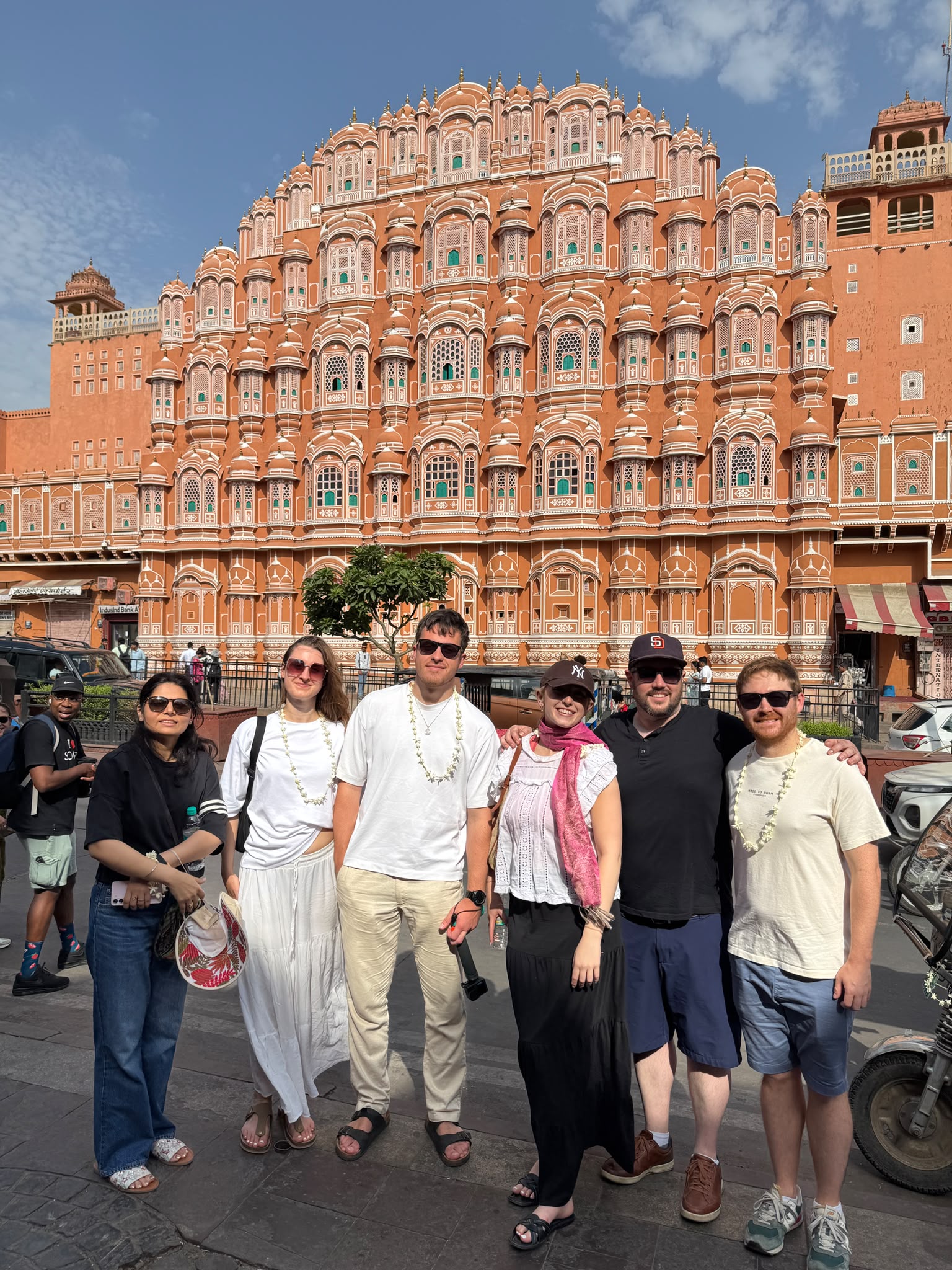
Hawa Mahal 

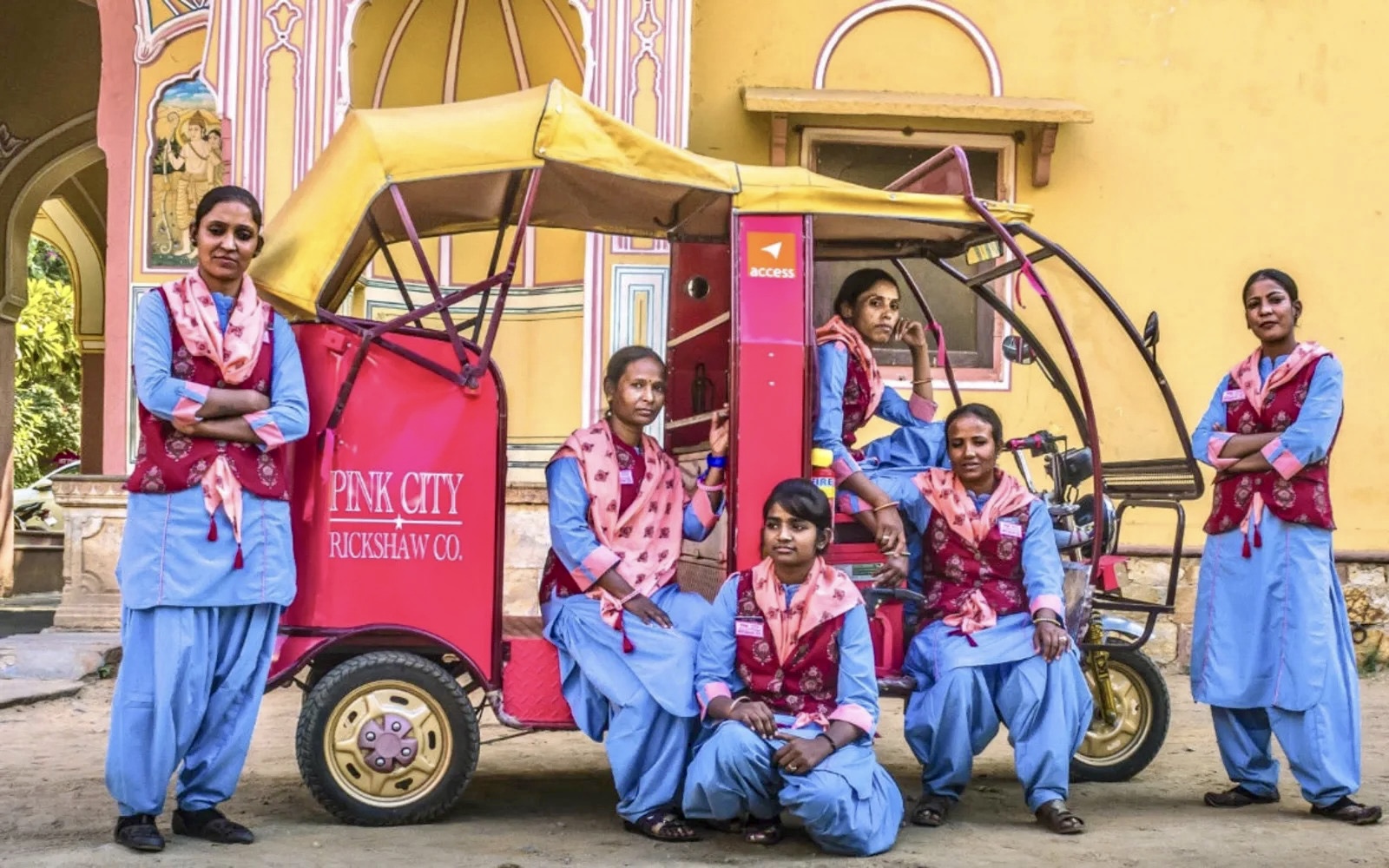
An interesting activity that we did in Jaipur, was the Pink Rickshaw ride, which was turned to be the highlight of the trip. This unique experience is led by local women who take visitors on a pink-colored e-rickshaw journey through the city in the early morning hours. The tour included visits to a vibrant flower market and a beautiful temple, offering a glimpse into Jaipur's daily life and culture. We also stopped at a famous kachori and chai shop near Hawa Mahal, where we enjoyed some of the city's most loved local flavors. It was a truly different and authentic way to explore Jaipur, allowing me to experience the city beyond its well-known monuments and attractions.


Rajasthan at Its Very Finest: Jodhpur, Jaisalmer & Udaipur

by

I recently had the opportunity to accompany a group of travel agents on the trip of Jodhpur, Jaisalmer, and Udaipur, gaining firsthand experience of three of Rajasthan's most charming destinations. Located in the magnificent desert state of Rajasthan, Jodhpur, Jaisalmer, and Udaipur are three of India's most iconic and unforgettable destinations. 

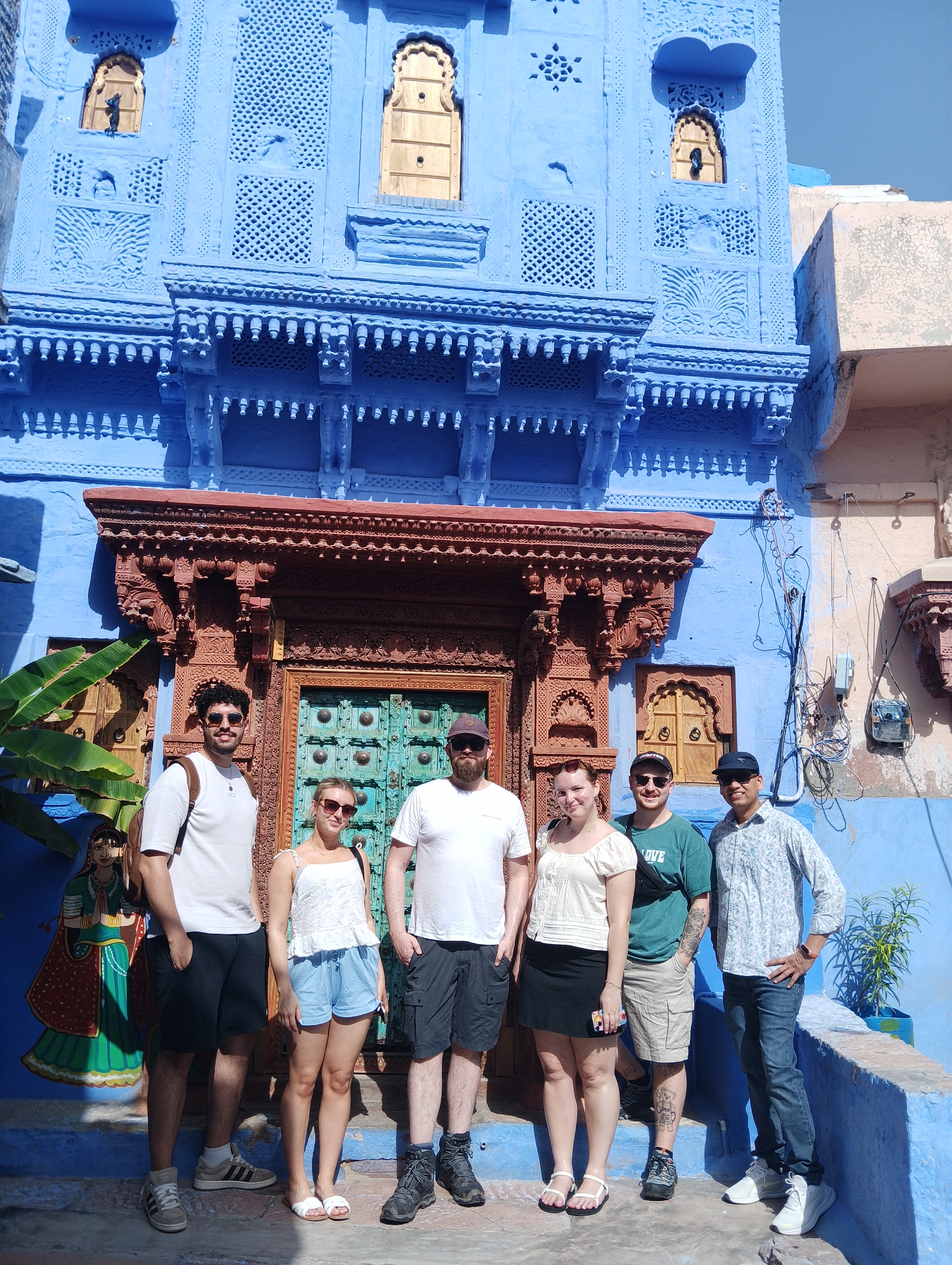
Jodhpur, the Blue City, is dominated by the formidable Mehrangarh Fort – one of the largest and most spectacular forts in all of India – rising dramatically above a sea of indigo-washed houses. We were fortunate to stay at the wonderful Ratan Vilas, a beautifully restored heritage hotel that captures the grace and elegance of a bygone era, and which added an entirely different dimension to our appreciation of this magnificent city. 

Jodhpur

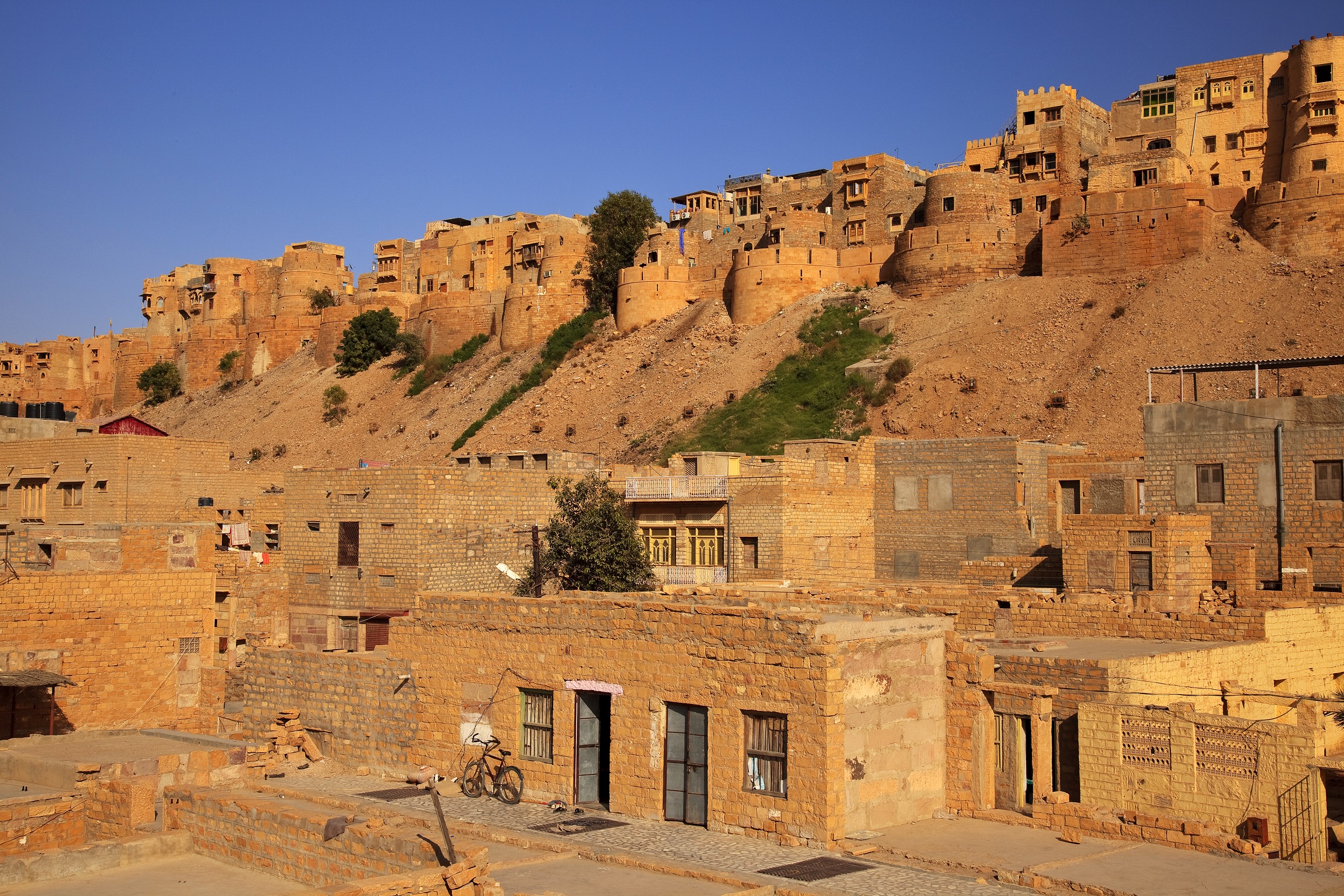
The journey continued to Jaisalmer, the Thar Desert Golden City – a place so extraordinary it feels like a living fairy tale. The golden sandstone ramparts of Jaisalmer Fort, the intricately carved havelis, and the sweeping Khuri Sand Dunes at sunset together create an experience unlike anywhere else in India. We experienced the legendary hospitality of Suryagarh, one of Rajasthan's finest desert resorts, built in the style of a grand desert fortress. The architecture, the dining, and above all the impeccable service made our stay truly exceptional – transforming a sightseeing trip into a genuine immersion in the spirit of Rajasthan.

Jaisalmer-Fort 

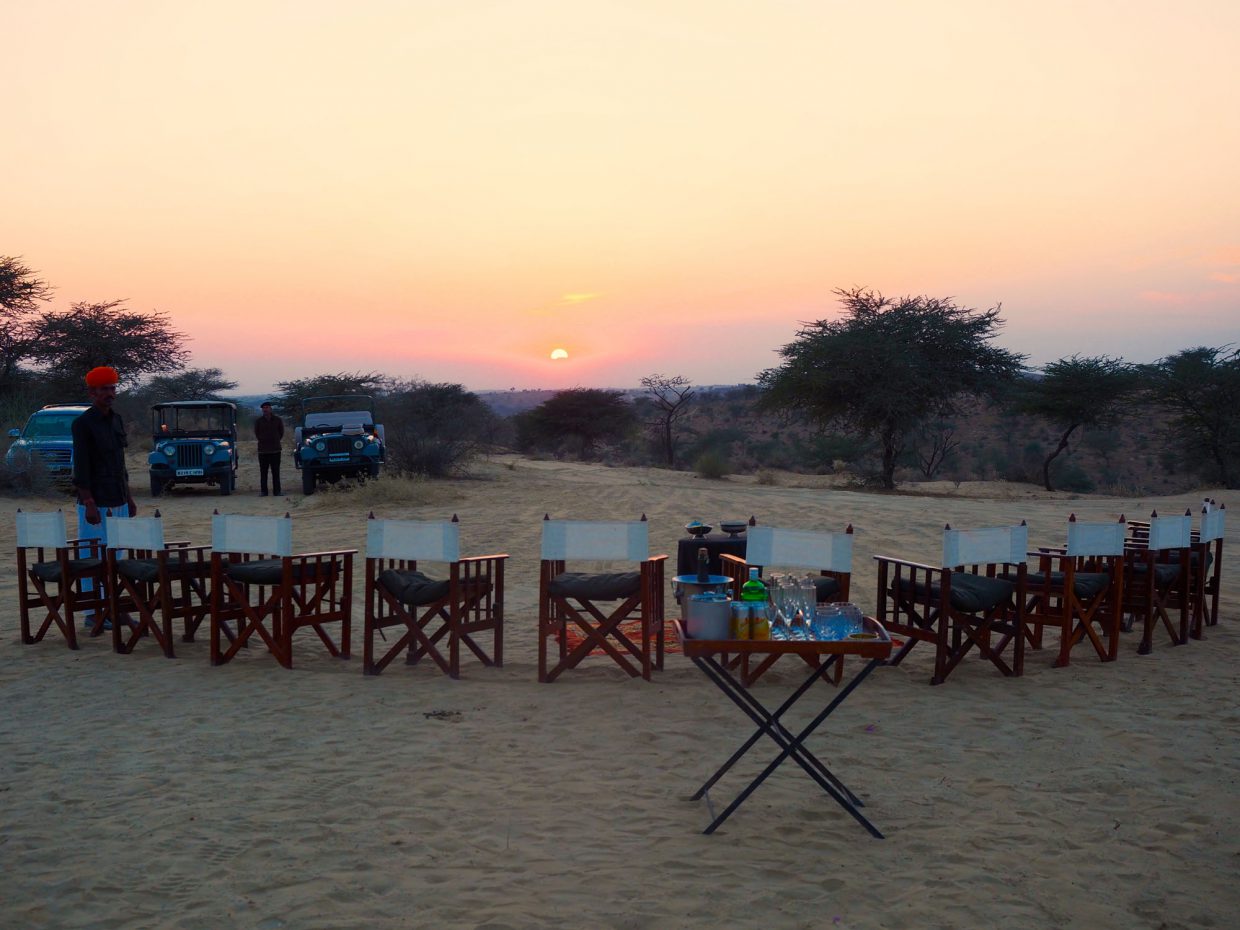
The desert experience continued at the next stop, which was the Reggie’s Camel Camp in Osian (located close to Jodhpur).  A luxury camp set in the Sand Dunes with expansive views of the mighty Thar desert on one side and the ancient 8th century temple town of Osian on the other, offers the perfect glamping experience, complete with sundowners in the dunes, Camel cart rides and Barbeque dinners with live Rajasthan music. 

Camel-Camp-Osian

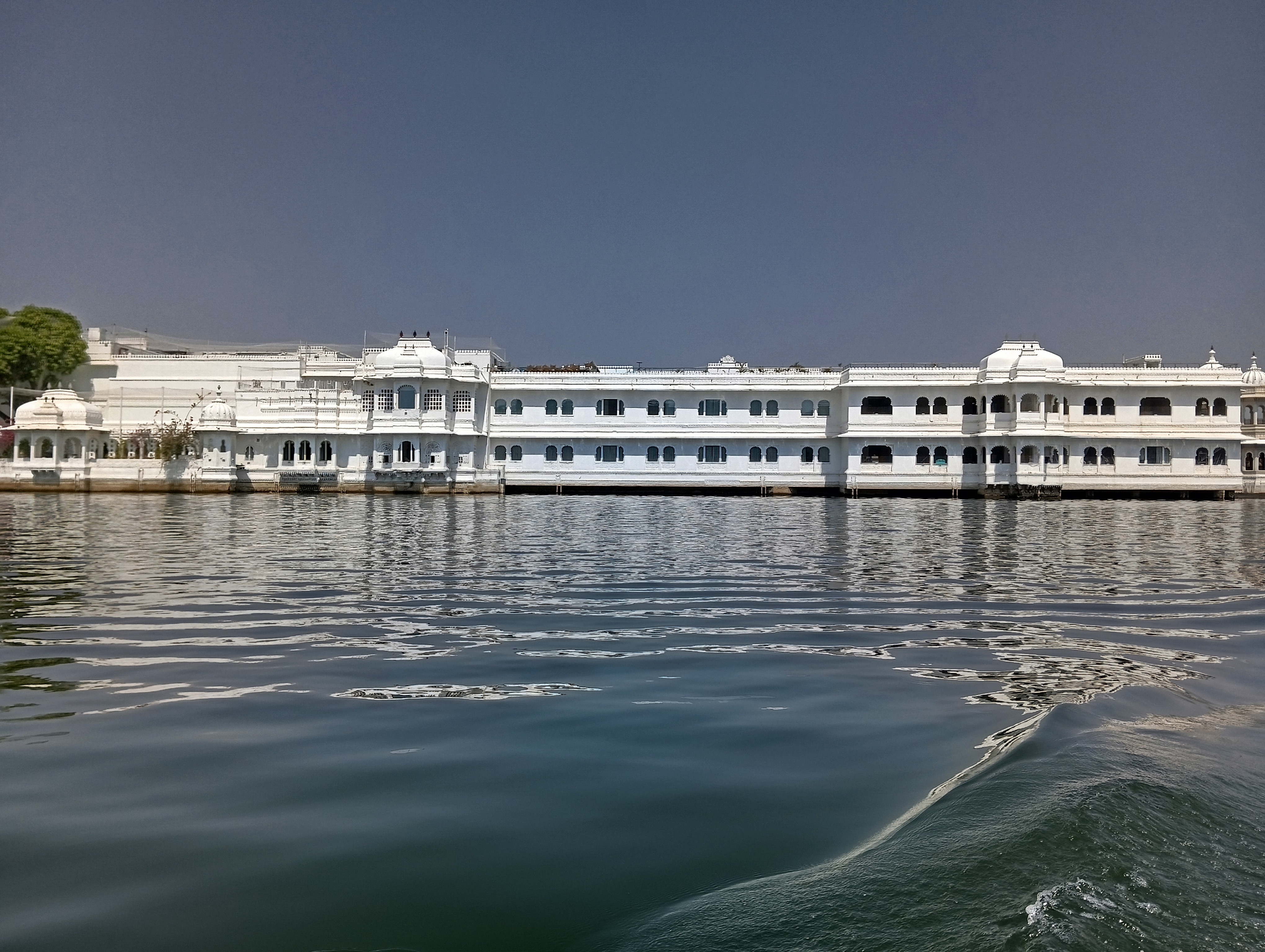
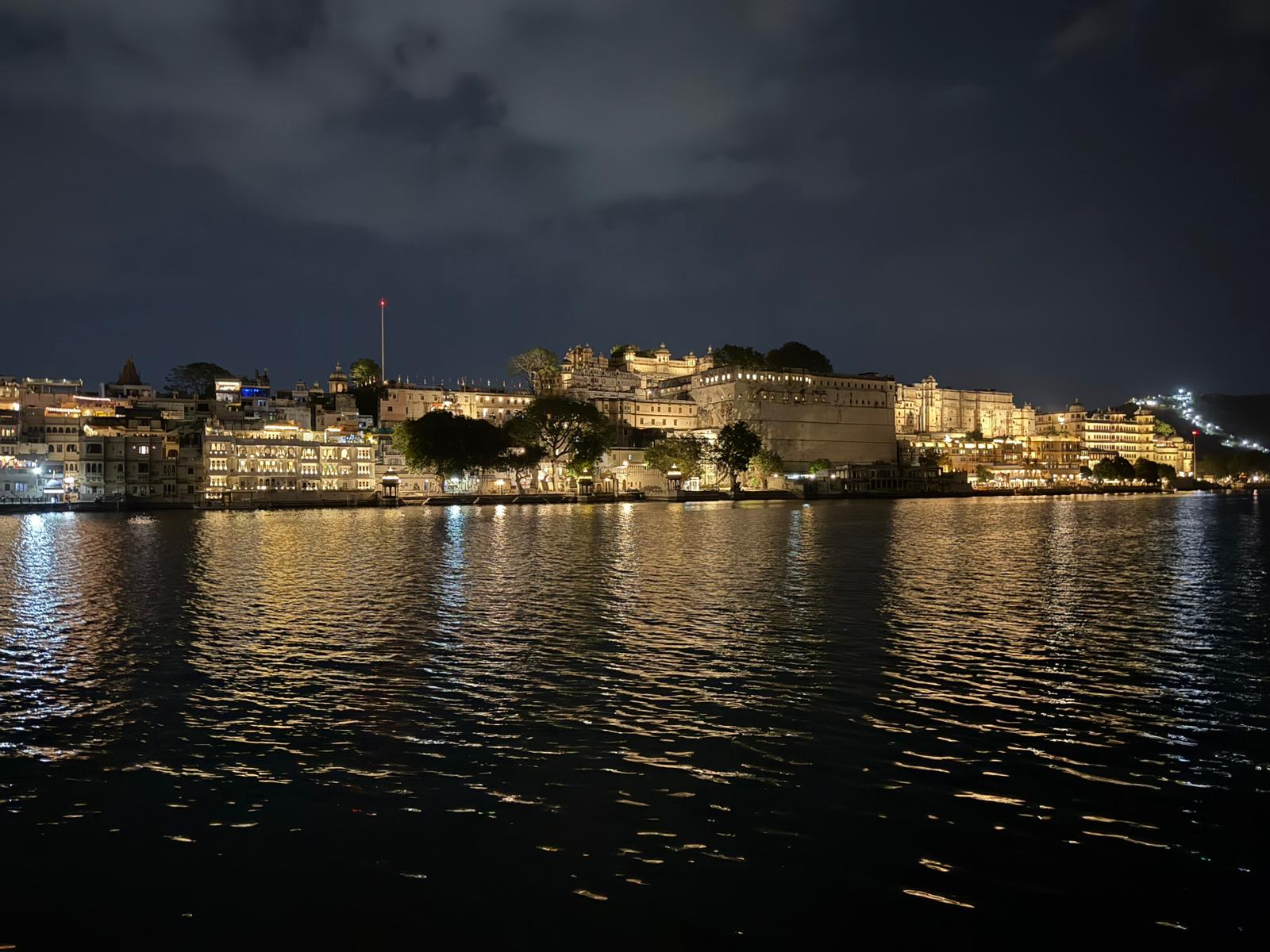
We also visited Udaipur – known as the City of Lakes – and it is truly one of the most beautiful cities in Rajasthan. The calm waters of Lake Pichola, the grand City Palace on its banks, and the green Aravalli hills around it make Udaipur a very special place to visit. During our city tour, we visited some of Udaipur's most famous sights. The City Palace is a huge and impressive palace with lovely views of the lake. The Saheliyon ki Bari is a peaceful garden with pretty fountains and marble pavilions – a nice contrast to the busy city. We also took a short boat ride to Jag Mandir, a beautiful island palace sitting right on the lake. 

Taj-Lake-Palace-

We stayed at the Taj Lake Palace, one of the most photographed hotels in the world, a stunning white marble hotel that sits on Lake Pichola and looks like it is floating on water. The hotel is beautiful, the service is excellent, and it makes your stay truly memorable.  One of the exceptional experiences in Udaipur was the Vintage Car ride, which was a fun and unique way to see Udaipur. 

Jodhpur, Jaisalmer, and Udaipur together make for one of India's most rewarding travel combinations – a journey through the very soul of Rajasthan, from the thunder of desert forts to the romance of lake palaces. It is Rajasthan at its very finest.


The Ultimate Whirlwind Tour: Experiencing the Best of Tamil Nadu

by

Tamil Nadu is a land where history, culture, architecture, and cuisine come together in a fascinating blend. On my recent journey through this vibrant state, I explored the bustling city of Chennai, the ancient shore temples of Mahabalipuram, the charming French quarters of Pondicherry, the magnificent temples of Tanjore and Trichy, the heritage mansions of Chettinad, and the timeless cultural heart of Madurai. 

Each destination offered a unique glimpse into Southern India’s rich legacy, from centuries-old monuments and sacred temples to coastal landscapes, colorful streets, and unforgettable local flavors. This travelogue captures the highlights, experiences, and memories from an incredible journey across one of India’s most captivating states. 

I flew from Delhi to Chennai to join a group of travel agents from the UK, who had also landed in Chennai in the early hours of the same day. We all met up later in the morning, and our exciting FAM trip kicked off with a short sightseeing tour of Chennai. The tour included visits to San Thome Cathedral, St. Mary's Church, and the Fort Museum, giving us a great introduction to the city's rich history and heritage.

After the tour, we headed back to our hotel, the Taj Connemara, a beautiful property full of character, history, and old-world charm. Early evening, we decided it was time to explore Chennai's food scene.  For dinner, we visited Geetham, a popular vegetarian restaurant known for its authentic South Indian cuisine. From flavourful dosas to delicious local specialties, the meal was fantastic and a great way to end our first day in the city. 

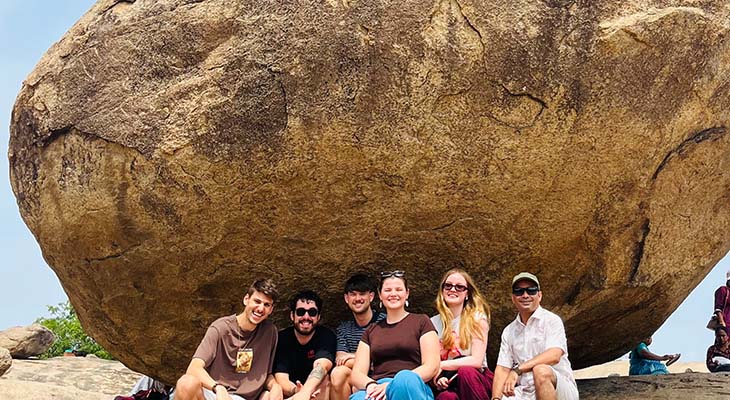
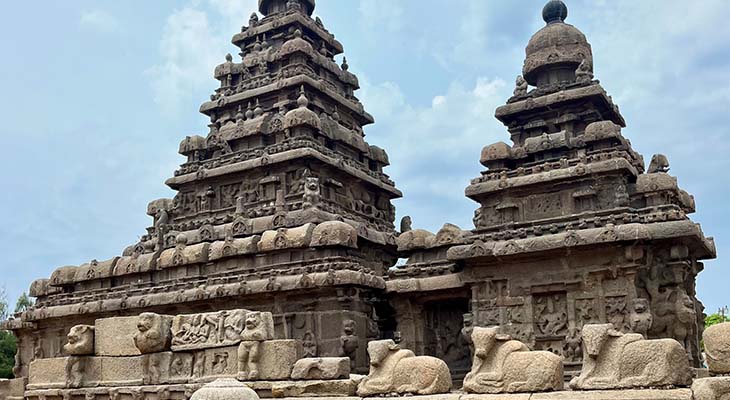
The next day, we headed to Pondicherry (or Puducherry as it is now called), en route stopping at the centuries-old temples of Mahabalipuram, which truly felt like being in an open-air museum. Every step through Mahabalipuram revealed yet another masterpiece carved by hand centuries ago. After exploring the shore temples of Mahabalipuram, we continued our journey to Pondicherry and reached by early afternoon. Pondicherry was a French colony till 1954, and parts of the city still retain the French flavor.

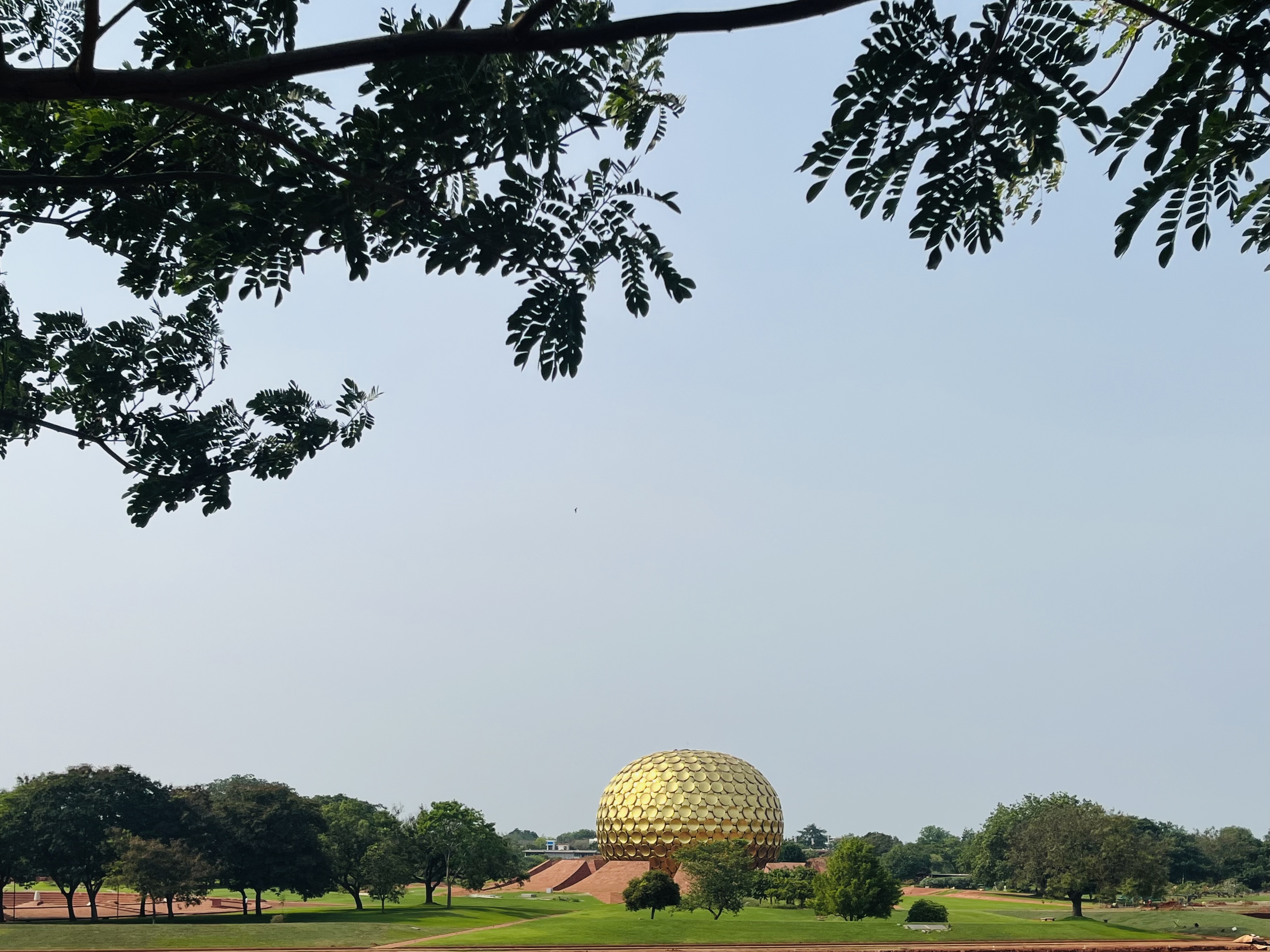
We spent the rest of the day sightseeing, covering Auroville, the Sri Aurobindo Ashram, the Pondicherry Museum, and a paper factory. Since it was a Sunday, the town was buzzing with tourists everywhere. Our stay was at Palais de Mahe, set in the French part of town, which itself had become a bit of a popular photo stop, with people actually queueing up outside to click pictures of its beautiful façade. In the evening, we took a short drive to Maison Perumal, a sister property of Palais de Mahe, located in the Tamil quarters, for a lovely and relaxed dinner, the perfect end to a busy but beautiful day. 

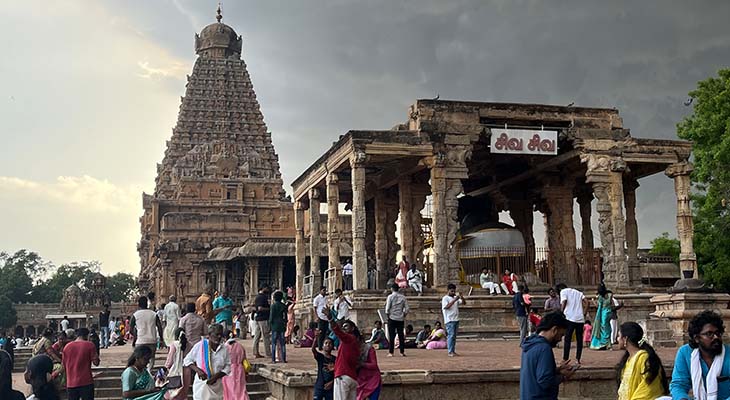
The next day, we drove to Kumbakonam, a beautiful town that serves as a perfect base for exploring nearby temple towns of Tanjore and Trichy. Our stay was at Mantra Koodam, a tranquil resort that blends modern comfort with plenty of in-house activities, making it a relaxing and immersive experience. Later in the afternoon, we drove to Tanjore and explored the sights there, including the 1,000-year-old Brihadeeswara Temple, which stands tall as a timeless bridge between divine devotion and human craftsmanship.  In the evening, we enjoyed a fun bullock cart ride through the village, which was a real highlight. We then wrapped up the day with dinner at Aatrupaduthal, an open-air live kitchen dining experience that made the evening even more memorable. 

After enjoying several cups of the famous Kumbakonam degree coffee, the next day we travelled to Chettinad, en route stopping at the spectacular Sri Ranganathaswamy Temple in Trichy. After the visit, we continued our journey to Chettinad, a region well known for its grand heritage mansions and aromatic cuisine.  Once there, we took part in a cooking lesson and also enjoyed a short walk through the quiet village, passing several beautifully preserved Chettinad mansions along the way. 

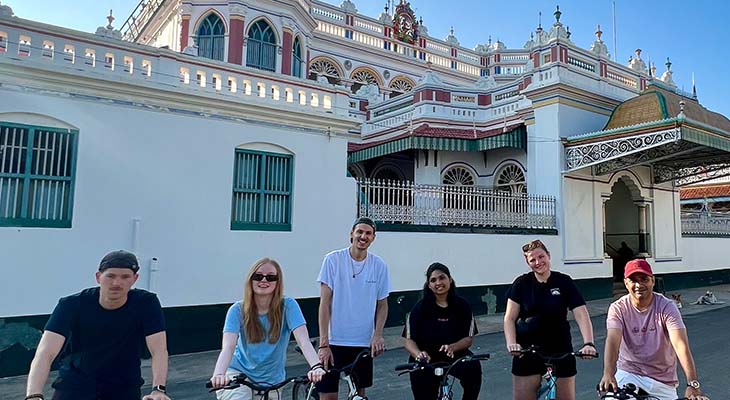
The next day, we woke up early for a cycling ride through Chettinad’s villages, which was truly a great experience. Our next destination was Madurai, one of India’s oldest cities, famous for the spectacular Meenakshi Amman Temple. We arrived by afternoon and set out for a sightseeing tour of Madurai, covering the Tirumala Nayakkar Palace and, of course, the Meenakshi Temple, before heading back to our hotel, The Gateway Madurai, for dinner. 

The following day, we took an early morning flight back to Delhi and bid farewell to our Tamil Nadu adventure. 

This Tamil Nadu trip was fast-paced but incredibly rewarding. In just a few days, we experienced a wonderful mix of heritage, culture, temples, villages, and authentic local cuisine. 

From Chennai’s colonial charm to Mahabalipuram’s open-air wonders, the peaceful vibes of Pondicherry, the cultural richness of Kumbakonam and Tanjore, the heritage of Chettinad, and finally the spiritual aura of Madurai, every destination had its own unique story to tell.

It was a packed itinerary with just one night in each place, but every bit of it was worth it. It was a truly enriching journey.


By Atul Shrivastava


A Long Weekend To Bandhavgarh and Khajuraho

by

The Easter long weekend combined with another Indian national holiday was a perfect opportunity for me to travel to two of Central India’s gems --- Bandhavgarh and Khajuraho. The Bandhavgarh National Park is one of India’s best known Tiger Reserves , and Khajuraho is home to the UNESCO World Heritage Chandela Temples as well as being in close proximity to the Panna National Park. 

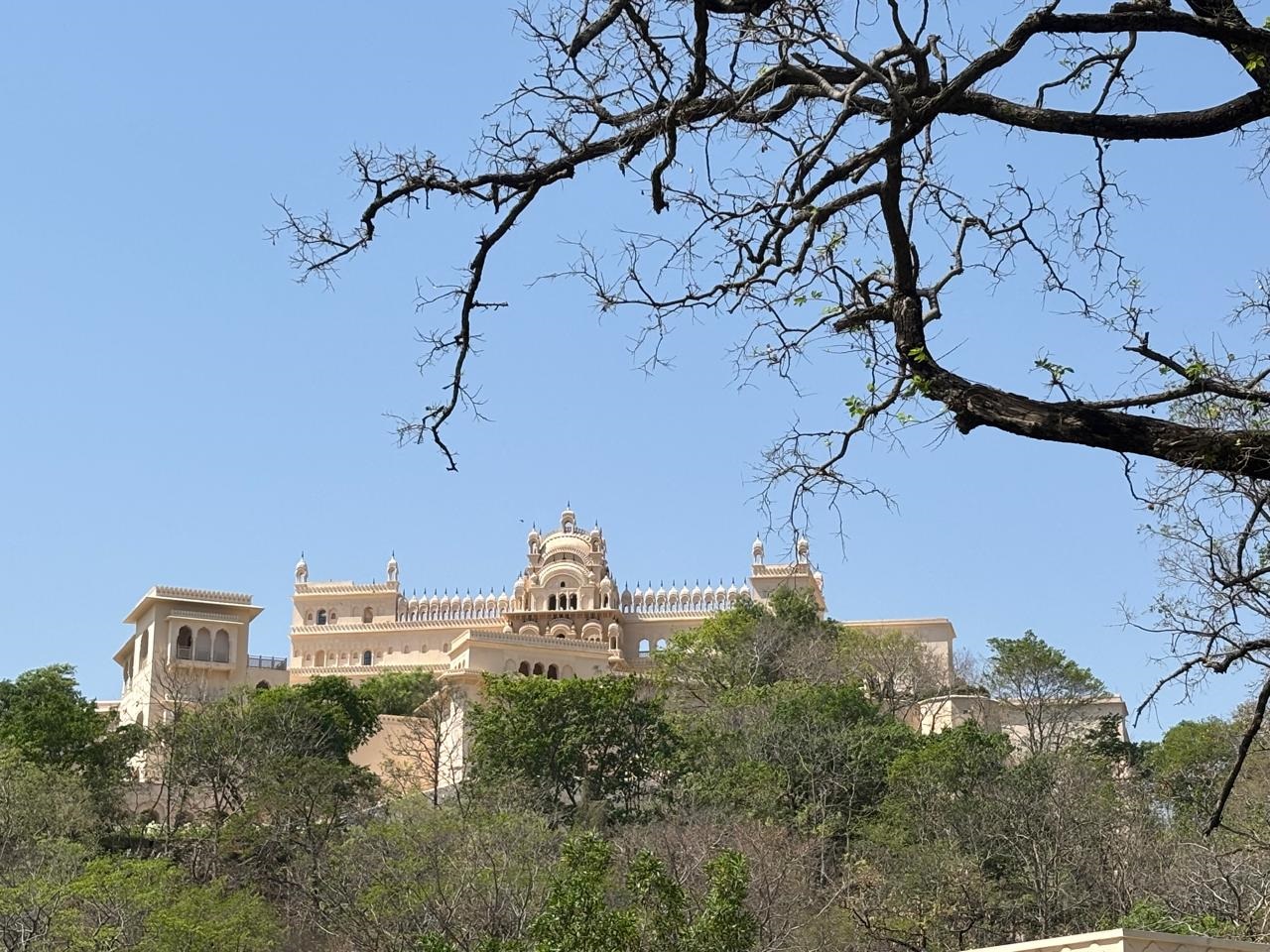
What prompted me to take this trip, and to particularly combine these two destinations , was not only the fact that they are both in Central India, not too far from each other, but also the fact, that the Oberoi Group  has recently opened their resorts in both these locations. The Oberoi Vindhyavilas in Bandhavgarh opened it’s doors during the last year, and the Oberoi Rajgarh Palace in Khajuraho only opened it’s doors earlier this year. 

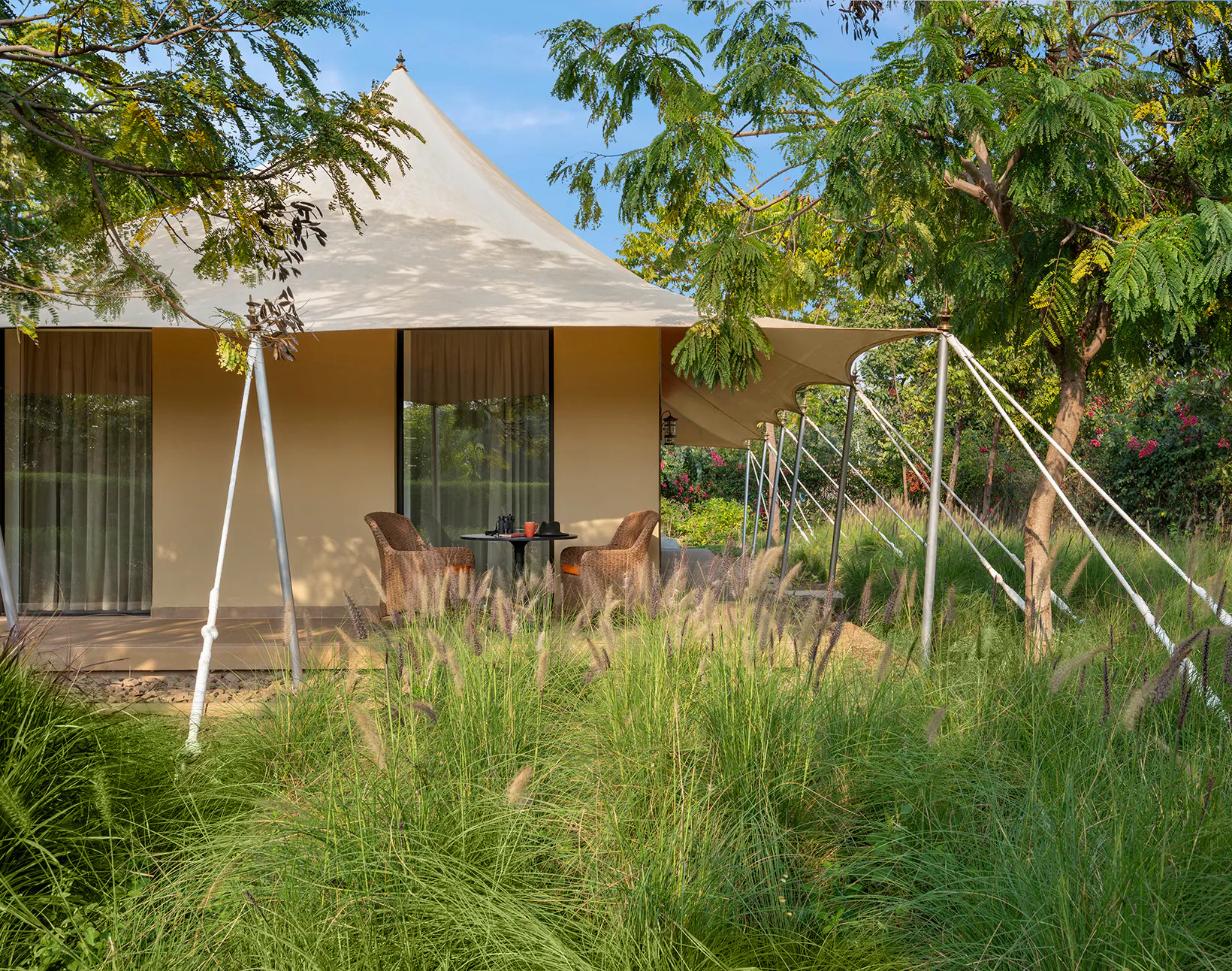
First stop Bandhavgarh , which was a bit of a long journey, with first a short flight from Delhi to Jabalpur , and then a 4 hour car journey to the Oberoi Vindhyavilas.  The fatigue of the journey went away rather quickly once we  arrived at the Vindhyavilas, which is a oasis of luxury just a few minutes from the entrance to the National Park.  Beautifully appointed luxury tents and villas , spread in acres of forested greenery , with a beautiful pool and great food !  What more could one ask for !  The icing on the cake were the two safaris in to the National Park the following day, on which we were lucky to spot tigers on both occasions.  Nothing quite beats the experience of spotting tigers in the wild !  Time between the safaris was well spent between the outdoor pool and the spa, and proved to be relaxing , inspite of the hectic safari schedules.

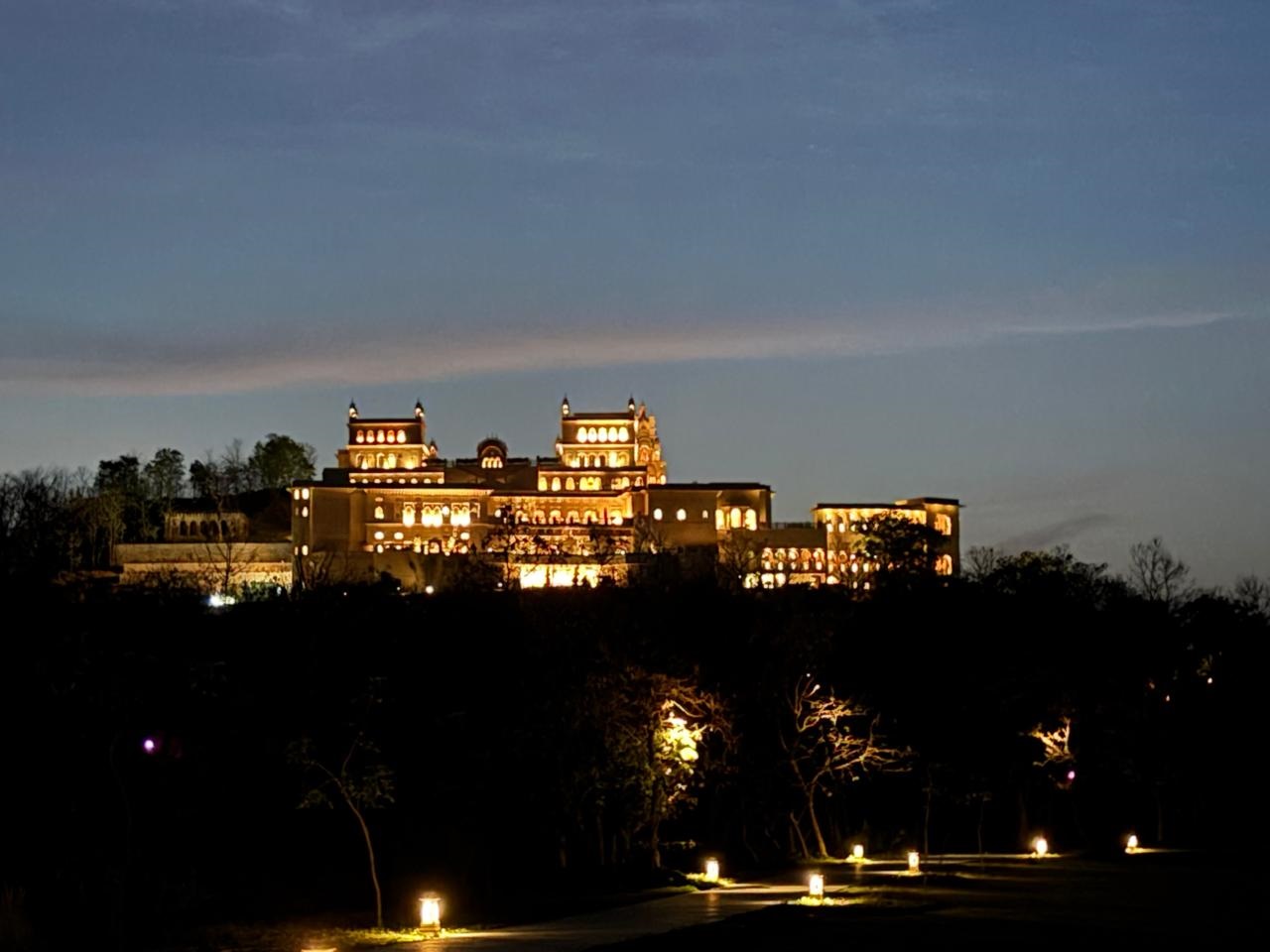
After two wonderful days in Bandhavgarh, we made our way to the Oberoi Rajgarh Palace in Khajuraho, which was about a 5 hour car journey from Bandhavgarh. Not really the finest highway in India , but comfortable enough regardless. Getting to the Rajgarh Palace was a wow moment --- the beautiful 200+ year old Palace having been meticulously restored by the Oberoi Group surpassed our expectations in every way.  The two beautiful swimming pools, and the wonderful tented spa (not to talk of the extremely warm temperature) at the hotel tempted us not to venture out at all, but , we did so. 

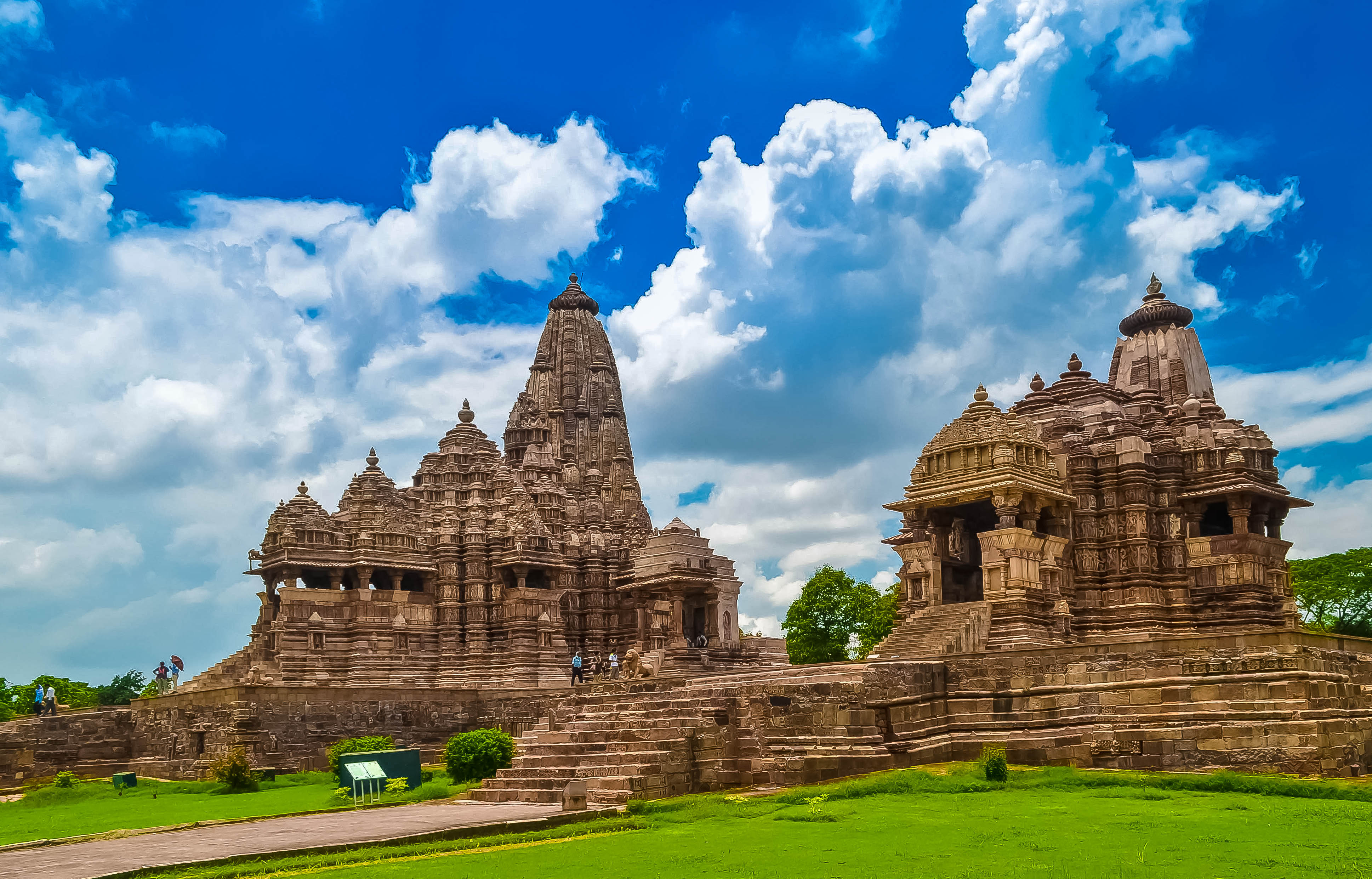
Time spent at the Chandela temples of Khajuraho, which were just a short 25 minute drive away was well worth it, with the intricately carved Chandela Temples always a awe inspiring sight.  The temples are divided in to the Eastern Group and the Western Group of Temples – over 4 hours, we were able to do both , and inspite of the 40C day temperature, we loved the morning. We were managed to fit in a safari in to the Panna National Park, which is just a 8 minute drive away from the Oberoi Rajgarh Palace. 

The Tiger population in this park has risen substantially during the last few years thanks to the conservation efforts, and we were lucky to spot a tiger within the first 30 minutes of entering the park.  What makes the Panna National Park more attractive (other than good tiger sightings there) is also the fact that the Ken river flows through it, and lots of wildlife can be spotted along it’s shores.