
India is synonymous with diversity and in each city of the country you can glimpse at the mesmerizing diversity. Browse through the city descriptions and find out what there is to see and do in each of these cities. Also, find out how to get there, etc. Explore India and its treasures in the nooks and corners of these charming Indian cities.
Agra
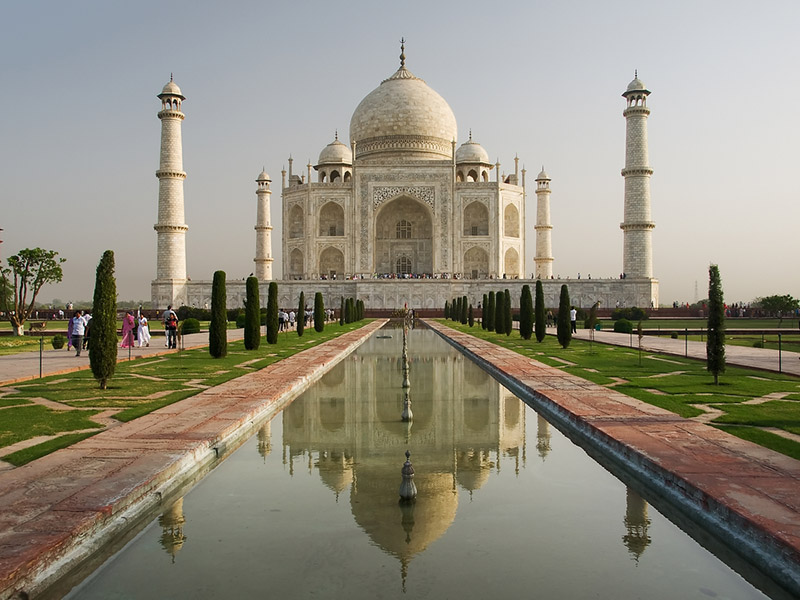
Fondly known as the ‘City of the Taj’, Agra is a must-visit destination on every tour of India. Located about 220 km from Delhi, the city offers a magnificent glimpse into the grandeur of the Mughal Empire. Once the imperial capital of the Mughals, Agra continues to preserve its rich cultural heritage, stunning architecture, and timeless traditions that attract visitors from around the world. The iconic Agra tour is incomplete without witnessing the breathtaking beauty of the Taj Mahal.
An Agra tour is like stepping back into the glorious era of Mughal India. Situated on the banks of the Yamuna River, the city served as the seat of the Mughal Empire for more than 300 years and remains one of the most historically and culturally significant places to visit in India. Apart from its magnificent monuments, Agra is renowned for its exquisite marble craftsmanship, vibrant festivals, delicious Mughlai cuisine, and the world-famous Agra Petha, a traditional sweet that every visitor must try.
The highlight of every visit is undoubtedly the magnificent Taj Mahal, one of the Seven Wonders of the World and a UNESCO World Heritage Site. Built by Emperor Shah Jahan in memory of his beloved wife Mumtaz Mahal, the white marble masterpiece stands as the ultimate symbol of eternal love. Whether viewed at sunrise, sunset, or under the enchanting glow of a full moon, the Taj Mahal leaves every visitor spellbound. Other remarkable attractions include the majestic Agra Fort, another UNESCO World Heritage Site, built by Emperor Akbar. This impressive red sandstone fortress served as the main residence of the Mughal emperors and houses beautiful palaces, audience halls, and gardens. Another architectural gem is the elegant Itmad-ud-Daulah's Tomb, popularly known as the 'Baby Taj', celebrated for its intricate marble inlay work and exquisite craftsmanship.
Beyond the city, Agra offers several fascinating excursions. Visit Sikandra, the grand mausoleum of Emperor Akbar, or explore the magnificent abandoned Mughal capital of Fatehpur Sikri, a UNESCO World Heritage Site located just a short drive away. Once a flourishing imperial city, Fatehpur Sikri was deserted due to water scarcity but still captivates visitors with its magnificent palaces, courtyards, mosques, and the imposing Buland Darwaza, one of the tallest gateways in the world. As a major destination on the famous Golden Triangle Tour, Agra perfectly combines history, architecture, culture, and timeless romance, making it one of the most visited tourist destinations in North India.

Amritsar
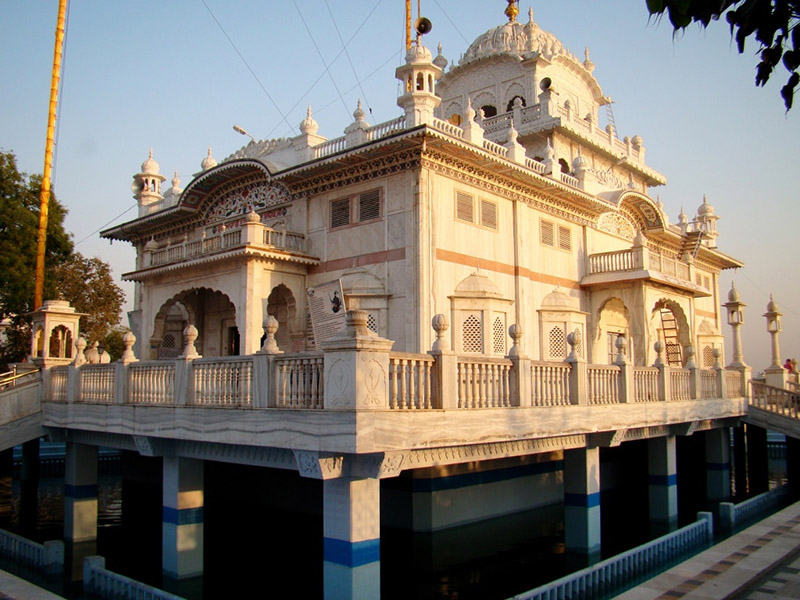
Amritsar, in the North Western part of India, is one of the most important and well known cities of the state of Punjab. It is located very close to the India – Pakistan border. Amritsar is dominated by the history of the Sikhs and many of their sacred shrines are found in and around the city, with the most prominent being the Golden Temple, said to be the most important Sikh place of worship in the world.
Aurangabad
Known as the ‘City of Gates’, Aurangabad is one of the popular places to visit in India. Located in the western Indian state of Maharashtra, this historic city serves as the gateway to the world-famous UNESCO World Heritage Sites of the Ajanta and Ellora Caves. Aurangabad itself boasts a rich cultural and architectural heritage, having served as the capital of the Mughal Empire during a part of Emperor Aurangzeb's reign. In fact, the city derives its name from the Mughal emperor.
The charm of an Aurangabad holiday lies in its remarkable monuments, vibrant culture, and fascinating history. The impressive Daulatabad Fort stands as one of India's finest medieval fortresses, while the magnificent Bibi Ka Maqbara, often referred to as the "Taj Mahal of the Deccan", reflects the grandeur of Mughal architecture. The ancient Aurangabad Caves, dating back to the 5th and 6th centuries CE, showcase exquisite Buddhist rock-cut architecture and sculptures. Although often overshadowed by the nearby UNESCO World Heritage Sites of Ajanta and Ellora, these caves are well worth exploring. Museums, traditional weaving centers, and local handicraft markets further enrich the city's cultural appeal.
No visit to Aurangabad is complete without exploring the spectacular Ajanta and Ellora Caves. Located approximately 107 km from the city, the Ajanta Caves comprise 30 magnificent rock-cut Buddhist caves nestled in a horseshoe-shaped gorge. Dating from the 2nd century BCE to around 480 CE, they represent some of the world's finest examples of ancient Buddhist art, architecture, murals, and sculptures. The caves include Chaitya halls (prayer halls) and Viharas (monasteries), adorned with breathtaking paintings depicting the life of Lord Buddha, Jataka tales, and Buddhist traditions.
Another architectural masterpiece is the Ellora Caves, situated about 26 km north of Aurangabad. Dating between the 5th and 11th centuries CE, this extraordinary UNESCO World Heritage Site consists of 34 rock-cut caves carved over nearly 600 years. Ellora is one of the largest rock-cut monastery and temple complexes in the world, featuring remarkable Buddhist, Hindu, and Jain monuments. Among its many attractions, the awe-inspiring Kailasa Temple (Cave 16) is the world's largest monolithic rock-cut temple, carved from a single massive basalt rock. Other notable caves include the ancient Dhumar Lena (Cave 29), renowned for its impressive sculptures and architectural grandeur. Together, the Ajanta and Ellora Caves make Aurangabad one of India's most treasured heritage destinations.
Bandhavgarh
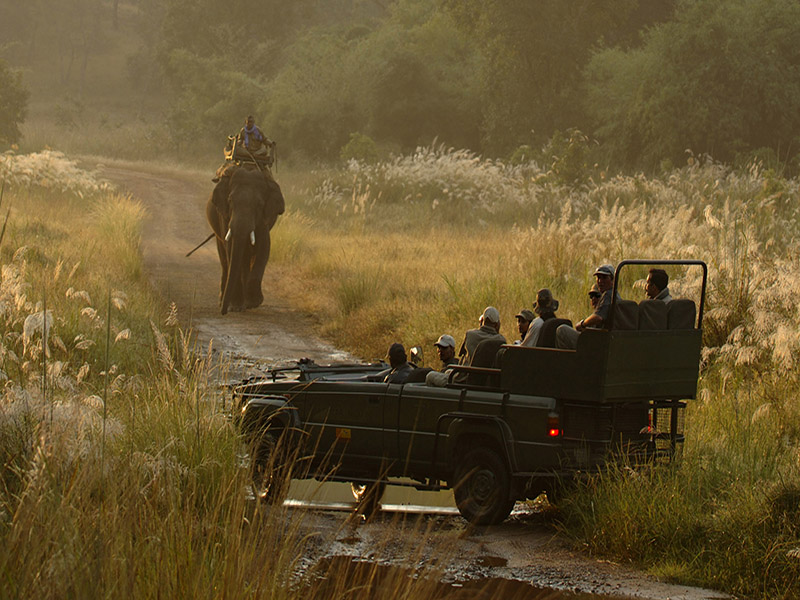
Bandhavgarh, located in the central Indian state of Madhya Pradesh, is one of the country's premier wildlife destinations. Renowned for having one of the highest densities of Royal Bengal Tigers, Bandhavgarh National Park is considered one of the best places in India and the world to observe tigers in their natural habitat. Spread across approximately 105 sq. km. of core area, Bandhavgarh Tiger Reserve promises an unforgettable wildlife experience. The park is also historically significant as the place where the rare white tiger was first discovered in the wild.
Nestled in the Vindhya Hills, Bandhavgarh is blessed with lush forests, rolling hills, and rich biodiversity. Once the private hunting grounds of the Maharajas of Rewa, the region has transformed into a protected sanctuary for wildlife. A reminder of its royal past is the magnificent Bandhavgarh Fort, perched over 800 meters above the surrounding forests. Exploring the ancient fort offers not only fascinating historical insights but also breathtaking panoramic views of the park and its scenic landscapes.
The national park features dense Sal forests, bamboo groves, open grasslands, rocky cliffs, streams, and natural waterholes that attract a wide variety of wildlife throughout the year. While the Royal Bengal Tiger remains the star attraction, visitors can also spot Leopards, Sloth Bears, Wild Boars, Sambar Deer, Chital, Nilgai, Barking Deer (Muntjac), Chinkara, and Four-horned Antelope (Chousingha). Bird enthusiasts will appreciate the park's rich avian diversity, including species such as the Grey-headed Fish Eagle, Plum-headed Parakeet, Malabar Pied Hornbill, Greater Racket-tailed Drongo, and numerous other resident and migratory birds.
Jeep safaris are the most popular way to explore Bandhavgarh National Park, offering excellent opportunities for wildlife photography and tiger sightings. Birdwatching, nature walks around the buffer zones, and visits to the historic Bandhavgarh Fort further enhance the overall experience.
Staying at one of the wildlife resorts near Bandhavgarh allows visitors to immerse themselves in nature while enjoying modern comforts. The national park remains open from 15th October to 30th June each year. While the winter months (November to February) offer pleasant weather and excellent wildlife viewing, the summer season (March to June) provides the highest chances of spotting tigers near water sources.
Bangalore
Bangalore, now officially known as Bengaluru, is one of the must-visit destinations in South India. The capital of Karnataka is the state's principal administrative, cultural, commercial, and industrial hub. Fondly known as the Garden City of India, Bengaluru is a vibrant metropolis that blends modern innovation with rich heritage. Tree-lined avenues, lush parks, and pleasant weather throughout the year make it one of India's most livable cities. Situated at an altitude of 920 metres above sea level, Bengaluru enjoys a moderate climate that attracts visitors in every season. A Bangalore tour not only lets you explore the city's many attractions but also serves as the perfect gateway to the remarkable destinations of Karnataka.
Popularly recognised as the Silicon Valley of India, Bengaluru is home to more than 250 technology companies, including global giants such as Wipro and Infosys. Alongside its thriving IT industry, the city offers an exciting lifestyle with trendy cafés, restaurants, pubs, breweries, and shopping districts. Bangalore's vibrant nightlife is among the best in India, while its amusement parks, entertainment centres, and bustling markets ensure there's something for every traveller. Amidst this modern landscape, you'll also discover centuries-old temples, forts, palaces, and architectural landmarks that reflect the city's rich cultural heritage.
Some of the top tourist attractions in Bangalore include the beautiful Lalbagh Botanical Garden, Cubbon Park, and Lumbini Gardens. History enthusiasts can visit Bangalore Palace, Tipu Sultan's Summer Palace, and the magnificent Vidhan Soudha. The city is also home to several revered religious sites, including Venkataramana Swamy Temple, ISKCON Temple, Gavi Gangadhareshwara Temple, Dodda Ganapathi Temple, and the Maha Bodhi Society Temple. Nature lovers can explore Bannerghatta National Park and the Thippagondanahalli Reservoir, while museums such as the Visvesvaraya Industrial & Technological Museum, Venkatappa Art Gallery, Jawaharlal Nehru Planetarium, and the Government Museum provide fascinating insights into science, art, and history.
The pleasant climate throughout the year makes it easy to plan a holiday in Bangalore at any time. Friendly locals, excellent hospitality, and a wide variety of experiences ensure a memorable stay. Bengaluru also serves as an ideal starting point for exploring nearby destinations such as Mysore, Ooty, Coorg, Hampi, Chikmagalur, and the magnificent Hoysala temples, making it one of the best places to begin your South India journey.
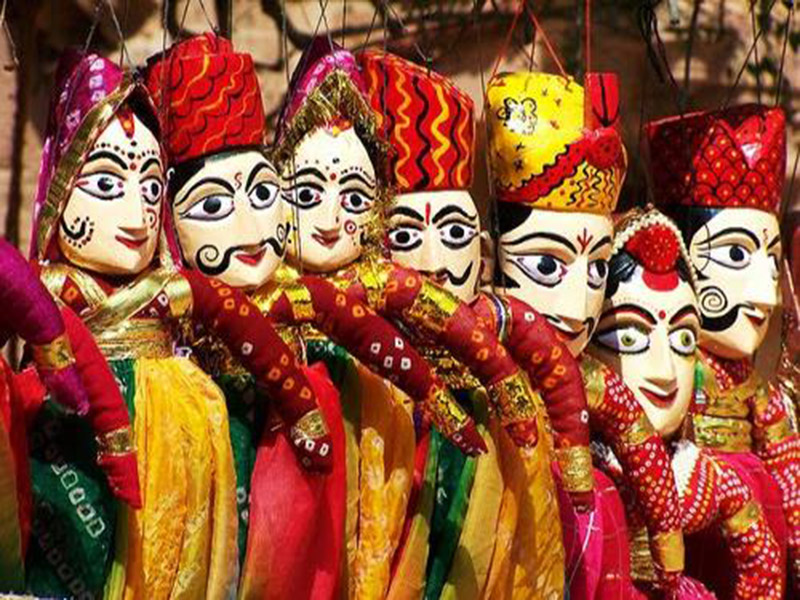
Bikaner
Known as the 'Camel Country', Bikaner was once the capital of a former princely state in Rajasthan. Counted among the must-visit tourist destinations in Rajasthan, Bikaner is an essential stop on any Rajasthan tour. The city beautifully preserves the grandeur of the Rajput era through its magnificent forts, palaces, temples, museums, and vibrant culture. Located on the edge of the Thar Desert, Bikaner is surrounded by rolling sand dunes, offering visitors an enchanting desert experience that feels straight out of the Arabian Nights.
The history of Bikaner dates back to 1488 when the Rathore prince Rao Bika founded the kingdom. Modern Bikaner owes much of its development to Maharaja Ganga Singh (1887–1943), whose visionary leadership transformed the city from a princely state into one of Rajasthan's most progressive kingdoms. The city's rich heritage has been carefully preserved, allowing visitors to experience the royal legacy and architectural brilliance of the Rajput rulers.
A visit to Bikaner is incomplete without exploring its remarkable attractions. The magnificent Junagarh Fort, built in the 16th century, remains one of the finest forts in Rajasthan. Constructed from red sandstone and marble, the fort features exquisite palaces, beautifully carved balconies, courtyards, jharokhas, and impressive architecture. Other must-visit landmarks include the elegant Lalgarh Palace and Museum, the historic Laxmi Niwas Palace, the picturesque Gajner Palace, and the beautifully carved Rampuria Havelis. Bikaner is also home to the National Research Centre on Camel (Camel Breeding Farm), the Ganga Government Museum, Gajner Wildlife Sanctuary, Rajasthan State Archives, Devi Kund Sagar, ancient Jain temples, and many other fascinating attractions.
Beyond its royal monuments, the rustic charm of Bikaner and the vast Thar Desert create an unforgettable travel experience. Often referred to as the Camel Country, Bikaner is renowned for breeding some of the finest riding camels in the world and is home to one of India's largest camel research and breeding centers. Every year, the famous Bikaner Camel Festival attracts visitors from across the globe with colorful cultural performances, camel races, folk music, and traditional celebrations. Heritage palace hotels, authentic Rajasthani cuisine, vibrant local markets, camel safaris, and desert adventures make Bikaner one of the most rewarding destinations to visit in Rajasthan.
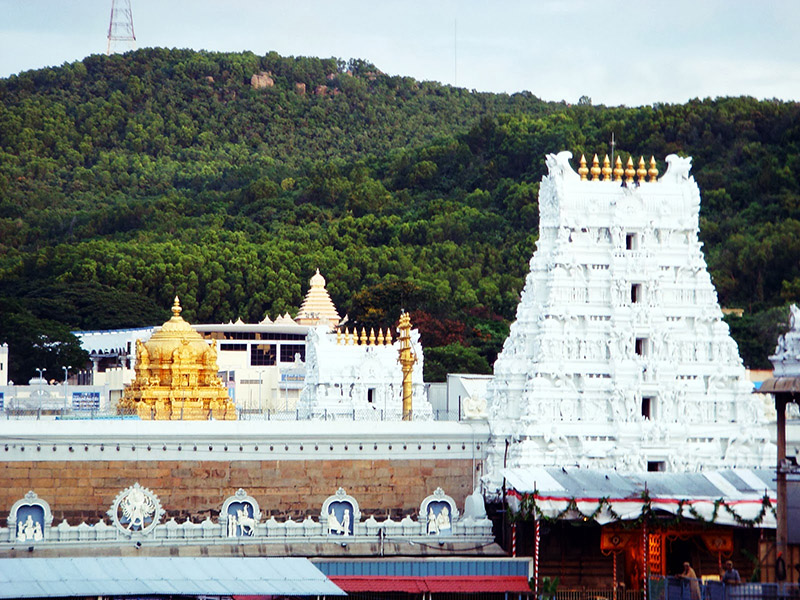
Chennai
Chennai, formerly known as Madras, is the vibrant capital city of Tamil Nadu, the Southern Indian state. Located on the Coromandel Coast along the Bay of Bengal, Chennai offers an incredible blend of history, culture, beaches, cuisine, and modern attractions. From scenic coastlines and historic landmarks to vibrant shopping districts and delicious local cuisine, the Gateway to South India is one of the must-visit places in India. As the fourth-largest metropolitan city in the country and one of India's busiest ports, Chennai perfectly combines tradition with modernity, making every visit memorable.
While traces of British colonial heritage are visible throughout the city, Chennai's history dates back over 2,000 years to the glorious Tamil Sangam era. One of its finest architectural masterpieces is the Kapaleeshwarar Temple, an iconic landmark that reflects the city's rich cultural heritage. Alongside its historical treasures, Chennai has evolved into a modern metropolis with classical music concerts, lively nightlife, Chettinad and international restaurants, museums, art galleries, and shopping centers. Shopping for authentic Kanchipuram silk sarees, handcrafted souvenirs, and traditional South Indian products is among the most enjoyable experiences in Chennai.
Whether you are looking for a relaxing beach holiday, ancient temples, cultural experiences, or a gateway to other destinations in South India, Chennai has something for every traveler. Marina Beach, stretching over 13 km, is one of India's longest and most popular urban beaches, offering spectacular sunrise and sunset views. Other must-visit attractions include the San Thome Cathedral Basilica, built on the site of a 16th-century Portuguese church and believed to house the tomb of St. Thomas the Apostle. Fort St. George and its museum showcase fascinating relics from the British East India Company, including historical documents associated with Robert Clive. Nature lovers can also visit the Madras Crocodile Bank, Pulicat Lake, bird sanctuaries, and the Arignar Anna Zoological Park, all located within easy reach of the city.
Chennai also serves as an excellent base for exploring some of South India's most famous destinations. Mahabalipuram (approximately 57 km, about 1.5 hours) is renowned for its UNESCO-listed rock-cut temples and shore monuments, while Pondicherry (approximately 154 km, around 3 hours) charms visitors with its French colonial architecture, beaches, and laid-back atmosphere. These destinations make perfect additions to any Chennai tour itinerary.
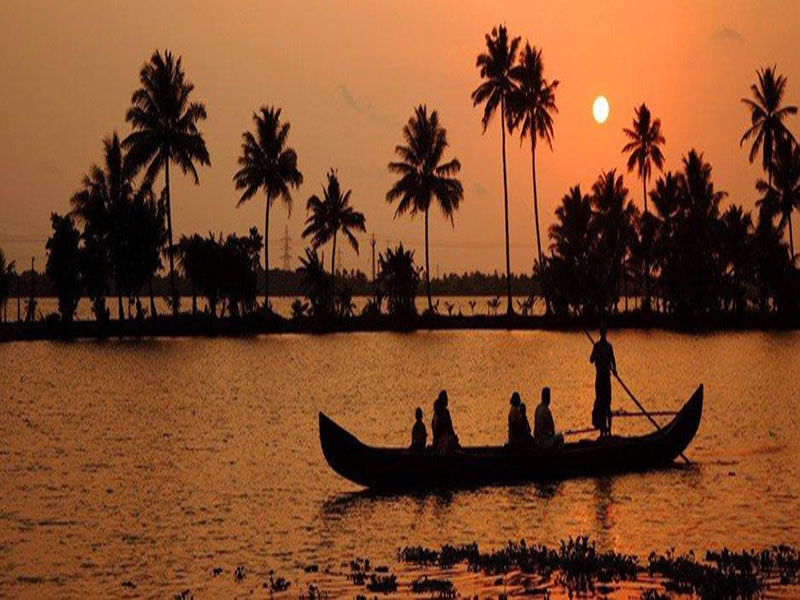
Cochin
Kochi, formerly known as Cochin, is one of the most popular tourist destinations in Kerala. Fondly called the "Queen of the Arabian Sea," this vibrant port city is a fascinating blend of history, culture, nature, and modernity. As the commercial capital of Kerala and home to one of the world's finest natural harbours, Kochi has welcomed traders and travelers from around the globe for centuries. A visit to Kochi offers unforgettable experiences, from colonial landmarks and bustling markets to serene waterfronts and cultural performances. It also serves as the gateway to Kerala, thanks to its international airport and excellent rail and road connectivity.
Kochi's natural beauty is among its greatest attractions. The city's picturesque coastline, tranquil beaches, and iconic Chinese fishing nets create unforgettable views, especially during sunrise and sunset. The famous Kerala backwaters also extend into Kochi, offering peaceful cruises through palm-fringed canals and scenic waterways. These backwaters provide a perfect escape from the hustle and bustle of city life, allowing visitors to experience the serene beauty of Kerala.
Kochi's rich cultural heritage reflects centuries of influence from the Portuguese, Dutch, British, Arabs, and local Kerala traditions. The city's historic attractions include Fort Kochi, Mattancherry Palace (also known as the Dutch Palace), St. Francis Church, Santa Cruz Basilica, and the Paradesi Synagogue in the historic Jew Town, built in 1568. Visitors can also admire the famous Chinese fishing nets, which have become one of Kochi's most recognizable landmarks. Another must-visit attraction is Kumbalangi Village, India's first model tourism village, where visitors can experience sustainable tourism, traditional fishing practices, and authentic village life.
Kochi is equally famous for its cuisine, shopping, and cultural experiences. From delicious Kerala seafood and traditional dishes served at local eateries to fine-dining restaurants, the city offers something for every palate. Shoppers can explore vibrant markets for spices, antiques, handicrafts, coir products, and traditional Kerala souvenirs. Visitors can also enjoy captivating performances of Kathakali, Kalaripayattu (Kerala's ancient martial art), Carnatic music, and other traditional art forms that showcase the state's rich cultural heritage.
Beyond its own attractions, Kochi serves as the perfect base for exploring some of Kerala's most famous destinations, including Munnar, Alleppey, Kumarakom, Thrissur, Thekkady, and Athirappilly Falls. Whether you're seeking history, culture, nature, or relaxation, Kochi offers the perfect introduction to the incredible experiences that await across Kerala.
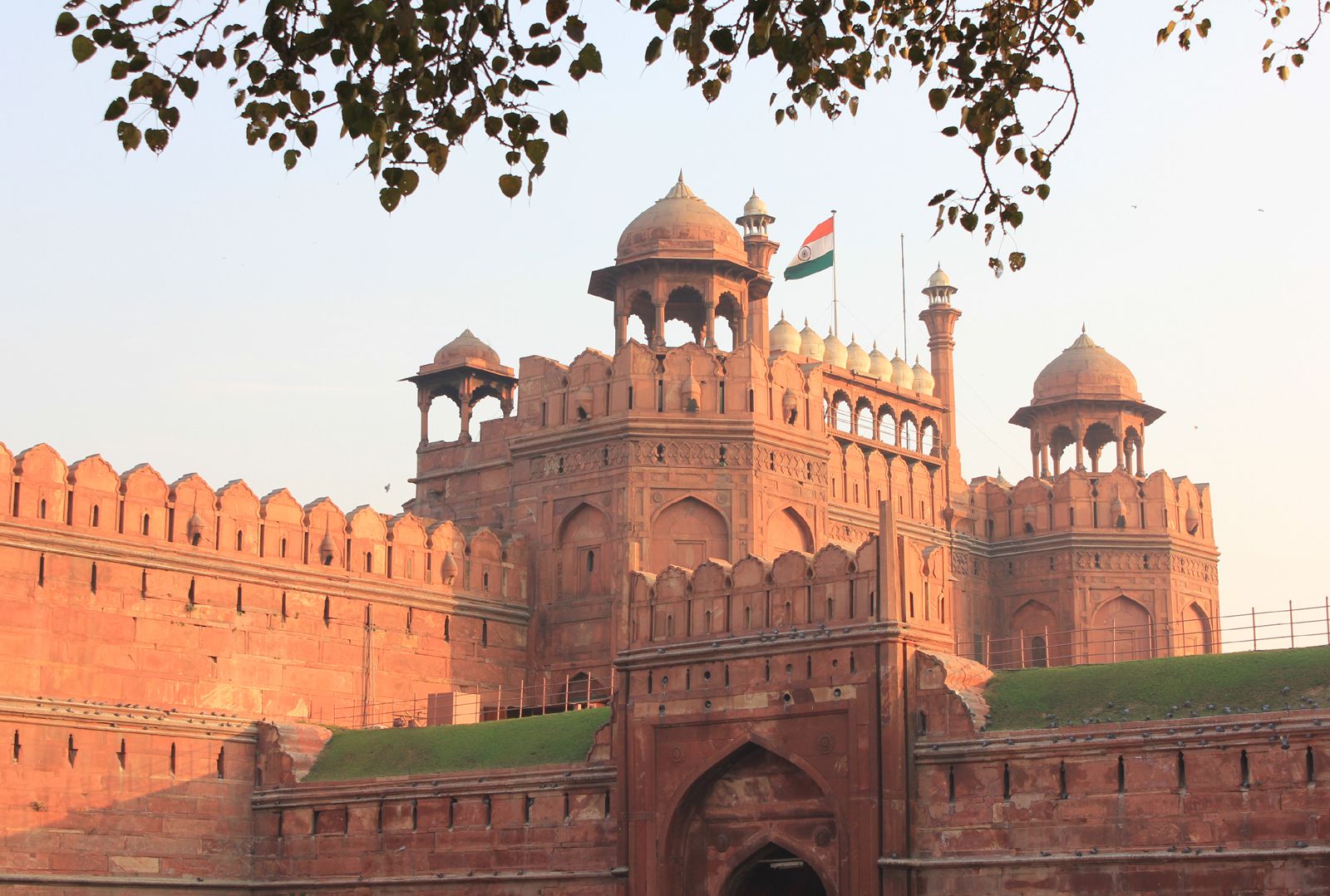
Delhi
Delhi, fondly known as the "City of Cities," is the vibrant capital of India where history and modernity blend seamlessly. This dynamic metropolis brings together ancient monuments, colonial architecture, bustling markets, world-class infrastructure, and contemporary attractions, creating a unique cultural experience for every traveler. As the gateway to India, Delhi enjoys excellent international and domestic connectivity, making it the ideal starting point for exploring the country. While the city itself offers countless attractions and experiences, it also serves as the gateway to Rajasthan, North India, Central India, and many other regions. It is therefore no surprise that Delhi forms the starting point of India's most popular tourist circuit in India, the Golden Triangle Tour, which also includes Agra and Jaipur.
Delhi's rich history is as fascinating as the city itself. Over the centuries, it served as the capital for several powerful dynasties, each leaving behind remarkable architectural and cultural legacies. Modern Delhi is believed to have evolved from a succession of historic cities. Among them are Lal Kot, built in the 11th century; Siri, established by Alauddin Khilji; Tughlaqabad and Ferozabad, built by the Tughlaq rulers; the Lodi city; Shahjahanabad, the magnificent Mughal capital founded by Emperor Shah Jahan; and finally New Delhi, designed by Sir Edwin Lutyens during British rule. Today, visitors can explore magnificent forts, ancient monuments, UNESCO World Heritage Sites, medieval tombs, and colonial-era buildings that beautifully narrate the city's extraordinary past.
Alongside its historical treasures, Delhi is a thriving modern metropolis offering luxury hotels, fine-dining restaurants, shopping malls, business districts, museums, art galleries, and vibrant cultural venues. Some of the city's most iconic attractions include the Red Fort, Humayun's Tomb, Qutub Minar, Jama Masjid, India Gate, Raj Ghat, Jantar Mantar, Lotus Temple (Bahá'í House of Worship), Akshardham Temple, and many more. Every corner of Delhi tells a story, making it one of India's most rewarding destinations for history lovers and first-time visitors alike.
Delhi is equally famous for its shopping and culinary experiences. From the bustling street markets of Chandni Chowk, Connaught Place, Janpath, and Sarojini Nagar to modern shopping malls and designer boutiques, the city offers something for every shopper. Food lovers can indulge in everything from legendary street food in the narrow lanes of Old Delhi to award-winning restaurants serving Indian and international cuisine. Whether you're interested in history, culture, shopping, or gastronomy, Delhi promises an unforgettable travel experience.
Deogarh
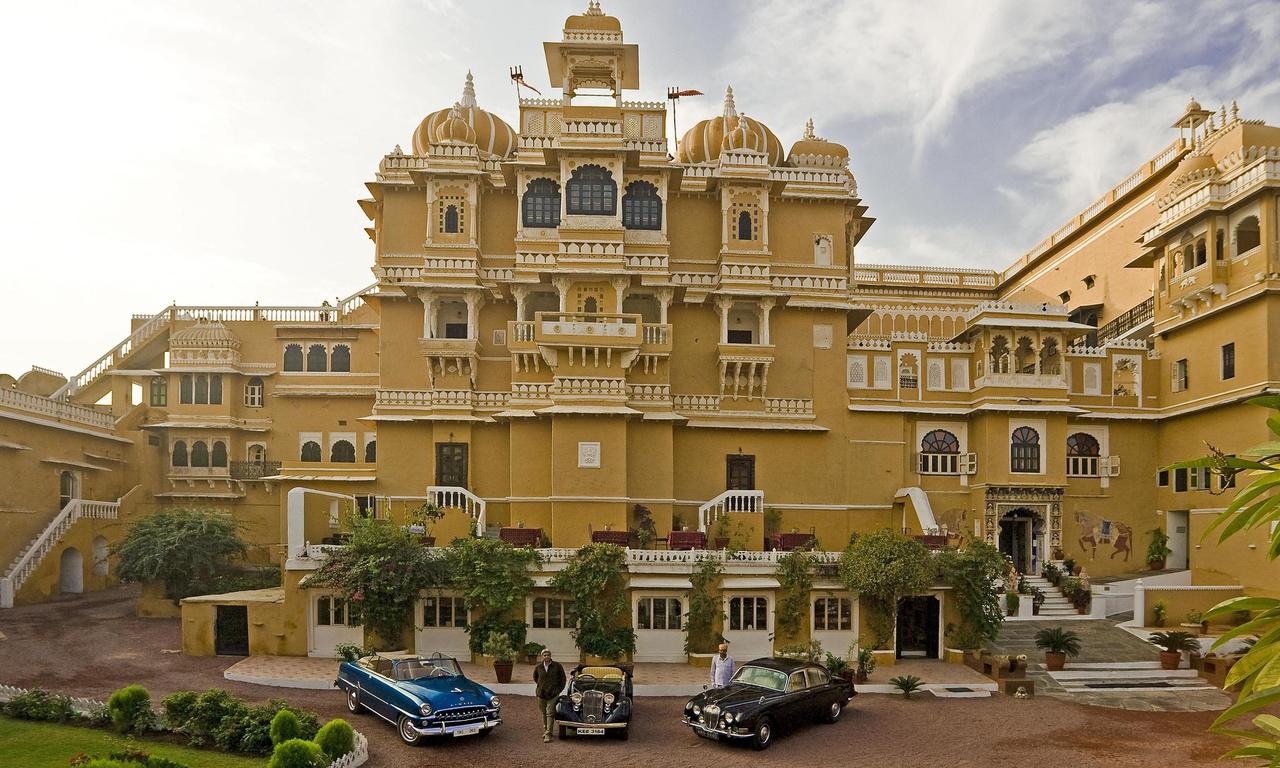
Deogarh is a charming heritage town in Rajasthan, nestled amidst the scenic Aravalli Hills. It is best known for the magnificent Deogarh Mahal, one of Rajasthan's finest heritage hotels. Rich in history, culture, and architectural beauty, Deogarh beautifully reflects the vibrant traditions of Rajasthan. Located approximately 80 miles (130 km) from Udaipur, the town lies at the meeting point of the historic regions of Mewar, Marwar, and Merwara. Surrounded by picturesque Bhil villages and situated at an elevation of about 2,100 feet above sea level, Deogarh offers a peaceful escape into rural Rajasthan.
Deogarh is also renowned for the Deogarh School of Miniature Painting, which evolved as a distinct style from the famous Mewar School of Painting that originated in Udaipur. Art lovers can admire these exquisite miniature paintings that showcase the region's rich artistic heritage. The town is also blessed with serene lakes, beautiful landscapes, and several historical attractions, making it an ideal destination for travelers seeking culture, history, and natural beauty.
The most iconic attraction in Deogarh is the magnificent Deogarh Mahal, a 17th-century palace majestically perched on a hill between Udaipur and Jodhpur. This beautifully restored heritage property features over 50 elegantly designed rooms, many offering breathtaking views of the surrounding lakes and countryside. The palace was transformed into a luxury heritage hotel by Rawal Nahar Singh, preserving its royal charm while offering modern comforts. Visitors can enjoy panoramic views of the town, admire its impressive Rajput architecture, and experience the grandeur of Rajasthan's royal heritage.
Beyond sightseeing, Deogarh offers a variety of unique cultural and outdoor experiences. Explore the surrounding villages to witness authentic rural life or enjoy the popular Rural Rail experience aboard the historic metre-gauge train that has been operating since the 1930s through the picturesque Aravalli landscape. Nature enthusiasts can also visit the nearby lakes, which attract numerous species of colourful migratory birds, making Deogarh a delightful destination for birdwatching, photography, and peaceful nature walks.
Goa
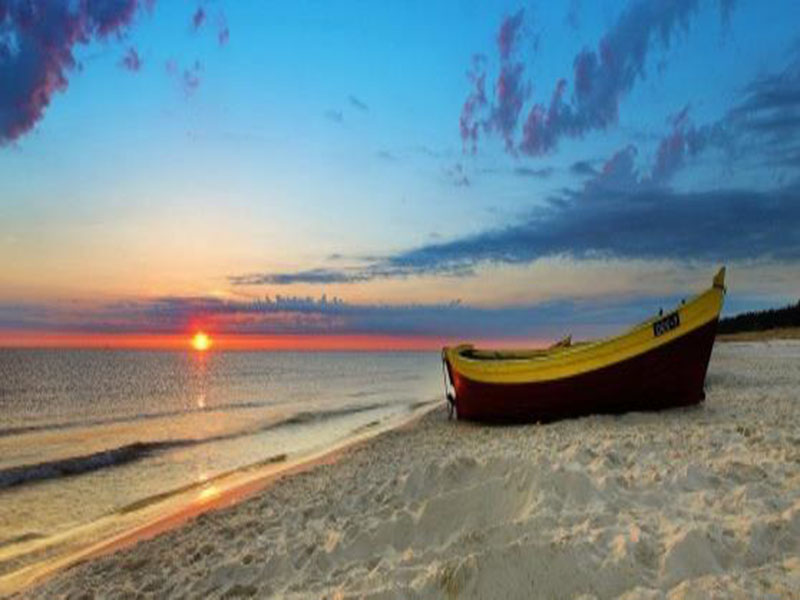
Goa is synonymous with its spectacular beaches and is undoubtedly India's favourite beach destination. Nestled along the sparkling Arabian Sea, Goa is the perfect blend of sun, sand, and sea. This tropical paradise is one of the country's most popular holiday destinations. Whether you're planning a family vacation, a romantic honeymoon, an adventure with friends, or a relaxing getaway, Goa tours offer something for every traveler.
Ruled by the Portuguese until 1961, Goa still proudly reflects its rich colonial heritage. The unique Indo-Portuguese influence is evident in its architecture, culture, and way of life. The magnificent churches of Old Goa, many of which are part of the UNESCO World Heritage Sites, showcase remarkable colonial architecture. Alongside these historic churches, Goa's ancient forts stand as reminders of its glorious past and now serve as scenic viewpoints overlooking the Arabian Sea.
The major attractions of Goa include its golden sandy beaches, crystal-clear waters, lush green paddy fields, swaying coconut palms, and the warm hospitality of its people. Goa's vibrant atmosphere makes every visitor feel at home. From relaxing river cruises and exciting casinos to lively nightlife and delicious Goan cuisine, every experience adds to the charm of a holiday in Goa.
Beyond its 50+ stunning beaches, Goa offers a wealth of natural and cultural attractions. Adventure enthusiasts can enjoy a wide range of water sports, while nature lovers can explore the lush Western Ghats, breathtaking Dudhsagar Falls, and wildlife sanctuaries rich in rare flora, fauna, and birdlife. The state's tranquil backwaters, charming villages, spice plantations, and fascinating history make Goa much more than just a beach destination.
One of Goa's greatest attractions is its unique character, setting it apart from the rest of India. Although India's smallest state, it offers an incredible variety of experiences packed into a compact area, making it easy to explore. Whether you're seeking relaxation, sightseeing, adventure, heritage, or vibrant nightlife, Goa truly has it all. Its famous tourism slogan, "Goa – 365 Days on Holiday," perfectly captures the spirit of this unforgettable destination.
Gwalior
Gwalior is a city steeped in history, heritage, and culture. One of the top tourist destinations in Madhya Pradesh, it is also one of India's most important heritage destinations. Step into Gwalior, and you'll feel as though time has stood still, surrounded by magnificent architecture and fascinating stories from the past.
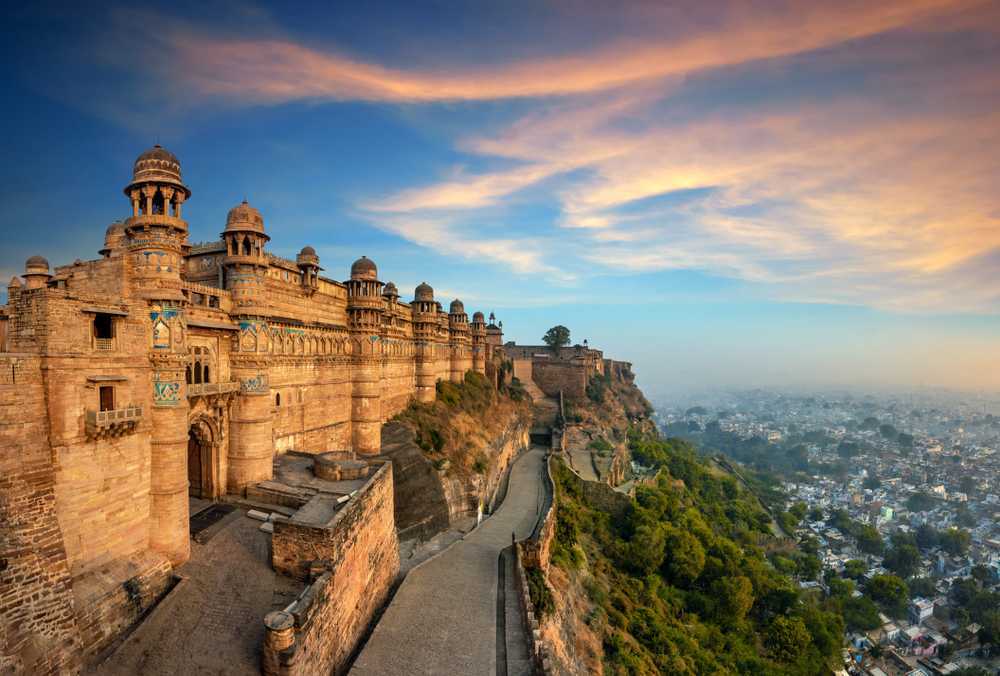
The city boasts a glorious history dating back to the 8th century AD. Over the centuries, it has been ruled by many dynasties, each leaving behind a rich cultural legacy. Among its many historic landmarks, the magnificent Gwalior Fort stands out. Described as the "Pearl among Fortresses in India," the fort has witnessed the rise and fall of several powerful northern Indian kingdoms.
Renowned for its ancient temples, grand palaces, and impressive monuments, Gwalior is often regarded as the cultural capital of Madhya Pradesh. It is also famous as the birthplace of the legendary musician Tansen. During British rule, Gwalior was one of the prestigious princely states entitled to a 21-gun salute. Popular attractions include Gwalior Fort, Jai Vilas Palace, Teli Ka Mandir, Sun Temple, Gujari Mahal, Sas Bahu Temple, and Man Mandir Palace.
Gwalior is also an important educational hub, home to the prestigious Scindia School, established in 1897 within the Gwalior Fort. Today, it is recognized as one of India's leading boarding schools.
The city comes alive during the famous Tansen Music Festival, a five-day celebration held in November or December to honor the legendary musician while promoting emerging talent. Other major festivals include Rang Panchami, Navratri, Bhavbhuti Samaroh, Baba Hira Bhumia Fair, Ramleela Festival, and the Gwalior International Trade Fair, all celebrated with great enthusiasm.
With its rich history, architectural marvels, vibrant festivals, and cultural heritage, Gwalior holds a prominent place on India's tourism map, offering visitors an unforgettable travel experience.
Jaipur
Jaipur, fondly known as the Pink City, is the capital of the northern Indian state of Rajasthan. Named after its founder, Maharaja Sawai Jai Singh II (1693–1743), this magnificent royal city is one of the most celebrated tourist destinations in India. A key stop on the famous Golden Triangle Tour, Jaipur is surrounded by the Aravalli Hills and is adorned with majestic hill forts, magnificent palaces, vibrant bazaars, and architectural marvels. Several of its monuments are recognized as UNESCO World Heritage Sites. Jaipur tours offer an unforgettable experience for history enthusiasts, culture lovers, and travelers seeking the warmth of authentic Rajasthani hospitality.
Jaipur earned its famous pink hue in 1876 when Maharaja Sawai Ram Singh II ordered the city to be painted pink to welcome the Prince of Wales, who later became King Edward VII. Widely regarded as one of India's first planned cities, Jaipur was designed by the renowned architect and scholar Vidyadhar Bhattacharya in accordance with the ancient principles of Vastu Shastra. The historic walled city, now a UNESCO World Heritage Site, features seven grand gates, broad avenues, well-planned streets, and uniform marketplaces. Its unique nine-sector layout symbolically represents the nine divisions of the universe, making Jaipur an extraordinary example of traditional Indian urban planning.
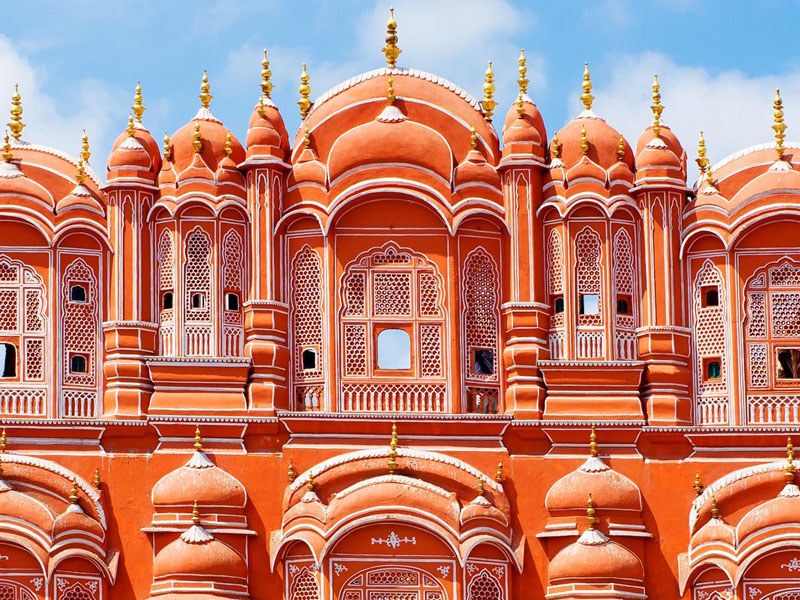
Today, Jaipur is home to some of Rajasthan's most iconic attractions. Dominating the surrounding hills are the magnificent Amer Fort, Jaigarh Fort, and Nahargarh Fort, each offering breathtaking views and fascinating stories of Rajput valor. In the heart of the city stands the splendid City Palace, which continues to serve as the residence of Jaipur's royal family while housing an impressive museum. The Jantar Mantar, a UNESCO World Heritage Site, showcases remarkable astronomical instruments built in the 18th century. Equally captivating are the picturesque Jal Mahal, gracefully situated in the middle of Man Sagar Lake, and the iconic Hawa Mahal, or Palace of Winds, renowned for its unique honeycomb façade and exquisite Rajput architecture.
Beyond its architectural wonders, Jaipur is a paradise for shoppers and food lovers. The city's colorful bazaars are famous for traditional Bandhani textiles, handcrafted jewelry, blue pottery, block-printed fabrics, gemstones, leather goods, and exquisite handicrafts. Visitors can also indulge in authentic Rajasthani cuisine, experience royal hospitality, and enjoy cultural performances that reflect the rich traditions of the state. Besides its own attractions, Jaipur serves as the perfect gateway to exploring the other magnificent royal cities and heritage destinations of Rajasthan, making it one of the most rewarding travel experiences in India.
Jaisalmer
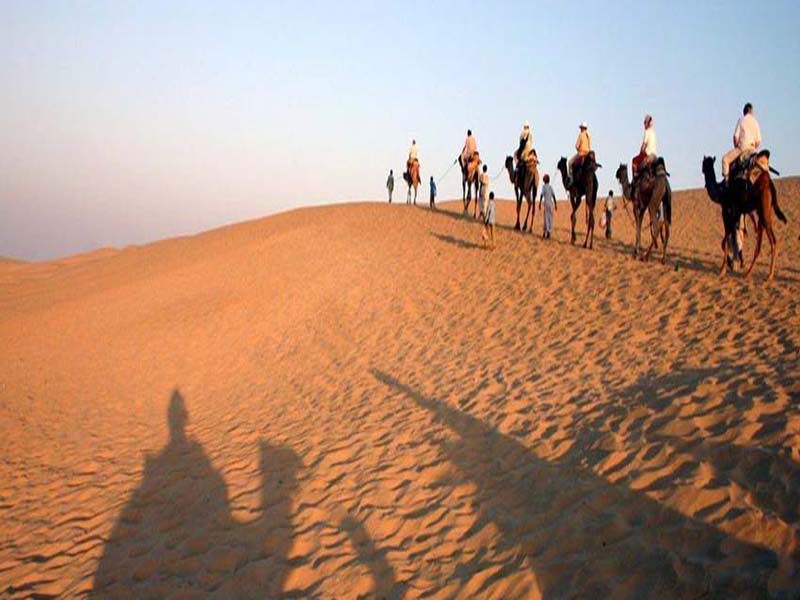
Deep in the heart of the Thar Desert lies Jaisalmer, one of the last princely strongholds of Rajasthan. Fondly known as the Golden City, Jaisalmer continues to captivate travelers with its golden sandstone architecture, rich heritage, and timeless charm. One of the most popular tourist destinations in Rajasthan, the city offers an enchanting blend of royal history, magnificent forts, intricately carved havelis, and the endless golden dunes of the Thar Desert. Jaisalmer tours provide the perfect opportunity to relive the tales of the Arabian Nights while exploring the glorious legacy of the Rajput rulers.
Founded in 1156 AD by Rawal Jaisal, Jaisalmer flourished as an important trading center on the ancient caravan routes connecting India with Central Asia and the Middle East. The prosperity of its merchants is reflected in the city's magnificent sandstone mansions, where master craftsmen created exquisite facades adorned with intricate latticework, carved balconies, elegant pavilions, and beautifully sculpted windows. Many of these architectural masterpieces remain inhabited today, while the city's colorful festivals, vibrant culture, and warm hospitality continue to attract visitors from around the world.
The city's most iconic landmark is the magnificent Jaisalmer Fort, a UNESCO World Heritage Site and one of the world's largest living forts. Built in the 12th century, the golden sandstone fortress still houses thousands of residents, along with ancient Jain and Hindu temples, shops, cafés, and traditional homes. Just beyond the city lie the spectacular Sam Sand Dunes, one of Rajasthan's most breathtaking desert landscapes. Camel safaris across the rolling dunes, jeep safaris, mesmerizing sunsets, luxury desert camping, and the vibrant annual Jaisalmer Desert Festival make a trip to the desert dunes an unforgettable experience. Visitors can also enjoy mesmerizing folk music and the famous Kalbelia dance, a traditional art form recognized by UNESCO as an Intangible Cultural Heritage.
Beyond the fort and desert, Jaisalmer offers numerous attractions worth exploring. Wander through the narrow lanes of the old city to admire magnificent havelis such as Patwon Ki Haveli, Nathmal Ki Haveli, and Salim Singh Ki Haveli, each showcasing exceptional craftsmanship. Visit the serene Gadisar Lake, explore the beautifully carved Jain temples within the fort, and browse the colorful local markets for handicrafts, embroidered textiles, leather goods, silver jewelry, and traditional souvenirs. Combining history, architecture, culture, adventure, and warm Rajasthani hospitality, Jaisalmer promises an unforgettable desert holiday and remains one of the most fascinating destinations in India.
Jodhpur
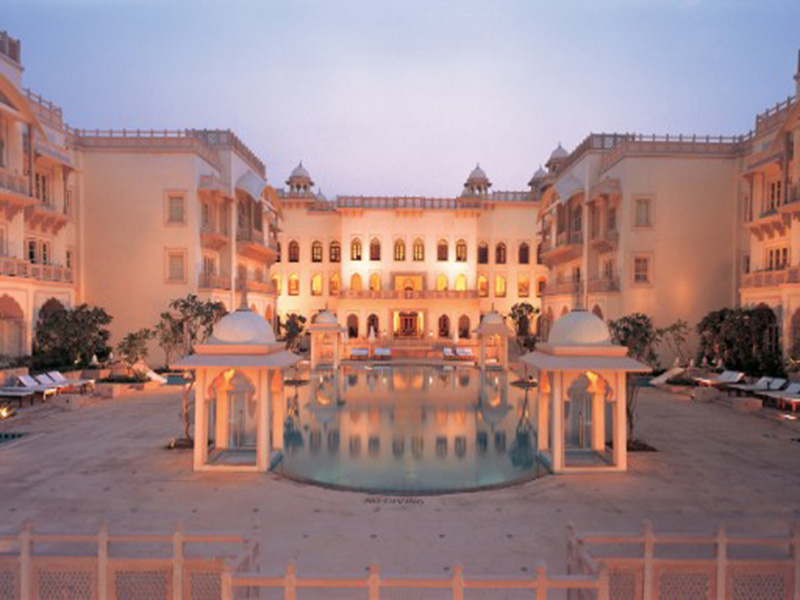
Known as the Sun City for its year-round sunshine and the Blue City for its iconic blue-painted houses, Jodhpur is one of the most popular tourist destinations in Rajasthan. Once the capital of the historic Kingdom of Marwar, Jodhpur is the second-largest city in Rajasthan and serves as the gateway to the majestic Thar Desert. The city's vibrant blue houses, clustered beneath the mighty Mehrangarh Fort, create a breathtaking panorama. Traditionally, the blue color was used to keep homes cool during the scorching summer months and was also associated with Brahmin households. Rich in history, culture, and architectural splendor, Jodhpur tours offer an unforgettable glimpse into Rajasthan's royal heritage.
Jodhpur charms visitors with its magnificent forts, grand palaces, ornate temples, vibrant bazaars, and colorful traditions. Dominating the city's skyline is the imposing Mehrangarh Fort, one of the largest and best-preserved forts in India. Built in the 15th century, the fort houses magnificent palaces, museums, courtyards, and galleries showcasing the grandeur of the Rajput era. Another must-visit attraction is the elegant Jaswant Thada, a stunning white marble cenotaph built in memory of Maharaja Jaswant Singh II. The magnificent Umaid Bhawan Palace, one of the world's largest private residences, is a remarkable example of Indo-Colonial architecture. Part of the palace remains the residence of the royal family, while the rest functions as a luxury heritage hotel and museum. Other popular attractions include the bustling Clock Tower Market, the historic Mandore Gardens, Rao Jodha Desert Rock Park, and the charming blue lanes of the old city.
Jodhpur is also a shopper's paradise, renowned for its antique furniture, handcrafted textiles, Bandhani fabrics, traditional jewelry, leather goods, handicrafts, spices, and home décor items. Food lovers can savor authentic Rajasthani delicacies such as Dal Baati Churma, Mirchi Vada, Makhaniya Lassi, and Mawa Kachori. Beyond the city, visitors can explore the ancient temples of Osian, often referred to as the "Khajuraho of Rajasthan", witness the scenic sand dunes of Khimsar, or admire the world-famous Jain temples of Ranakpur. Adventure enthusiasts can also enjoy camel safaris, horse riding, zip-lining (Flying Fox), and desert excursions, making Jodhpur one of the most rewarding destinations for history, culture, adventure, and heritage tourism in Rajasthan.
Kanha
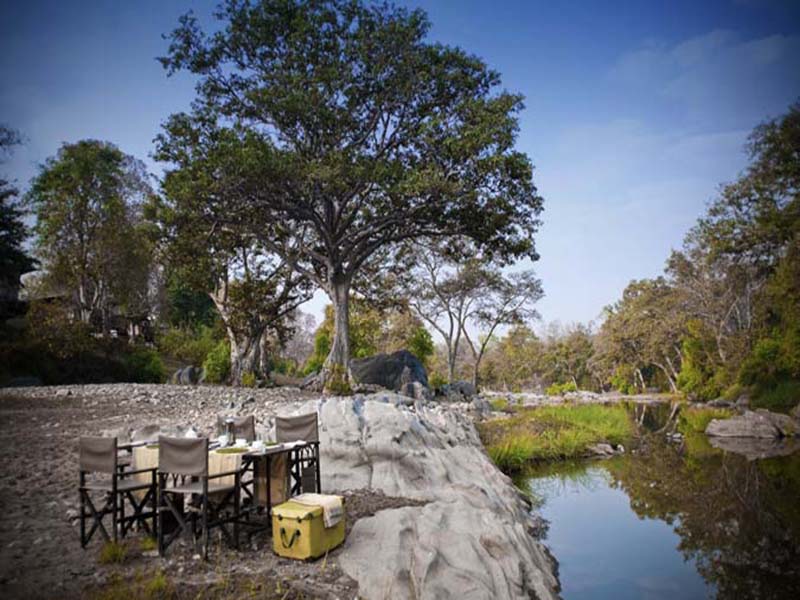
Kanha, fondly known as the ‘Tiger Land’, is one of the most exciting wildlife destinations in India and the world. Located in the central Indian state of Madhya Pradesh, Kanha National Park is renowned for its breathtaking landscapes and incredible biodiversity. The park is also believed to have inspired Rudyard Kipling’s timeless classic, The Jungle Book. Established as a national park in 1955, Kanha has played a significant role in wildlife conservation and is home to one of the healthiest populations of Royal Bengal Tigers in India. Kanha tours offer an unforgettable experience for wildlife enthusiasts, photographers, and nature lovers alike.
The park is famous for its vast open meadows, dense sal and bamboo forests, and scenic streams that provide an ideal habitat for a remarkable variety of wildlife. Spotting tigers in their natural surroundings is one of the biggest highlights of a safari in Kanha. Other commonly seen animals include barasingha (swamp deer), gaur (Indian bison), sambar, chital, nilgai, blackbuck, barking deer, four-horned antelope (chousingha), wild boar, sloth bear, leopard, jackal, hyena, jungle cat, mongoose, hare, and Indian python. Kanha is equally rewarding for birdwatchers, with hundreds of bird species such as peafowl, kingfishers, woodpeckers, storks, egrets, pond herons, partridges, quails, green pigeons, rollers, bee-eaters, hoopoes, drongos, orioles, owls, flycatchers, and many more. The rich flora, comprising towering sal trees, teak forests, bamboo groves, and seasonal flowering plants, further enhances the beauty of the reserve.
One of Kanha's greatest conservation success stories is the revival of the hard-ground barasingha, the park's iconic swamp deer. Once on the brink of extinction, this rare species has made a remarkable comeback through dedicated conservation efforts, including habitat restoration, controlled breeding, and scientific wildlife management. Today, Kanha remains the best place in the world to observe this magnificent deer thriving in its natural habitat. The park is divided into several safari zones, each offering unique landscapes and excellent opportunities for wildlife sightings.
Kanha National Park remains open to visitors from 16 October to 30 June every year and stays closed during the monsoon season. Jeep safaris are the most popular way to explore the park, offering excellent opportunities to spot tigers and other wildlife across its diverse habitats. Elephant safaris, where permitted by forest authorities, provide a unique perspective and are especially popular among wildlife photographers. A stay at one of Kanha's comfortable wildlife lodges or jungle resorts completes the experience, allowing visitors to immerse themselves in the tranquility and natural beauty of one of India's finest tiger reserves.
Kathmandu
Khajuraho
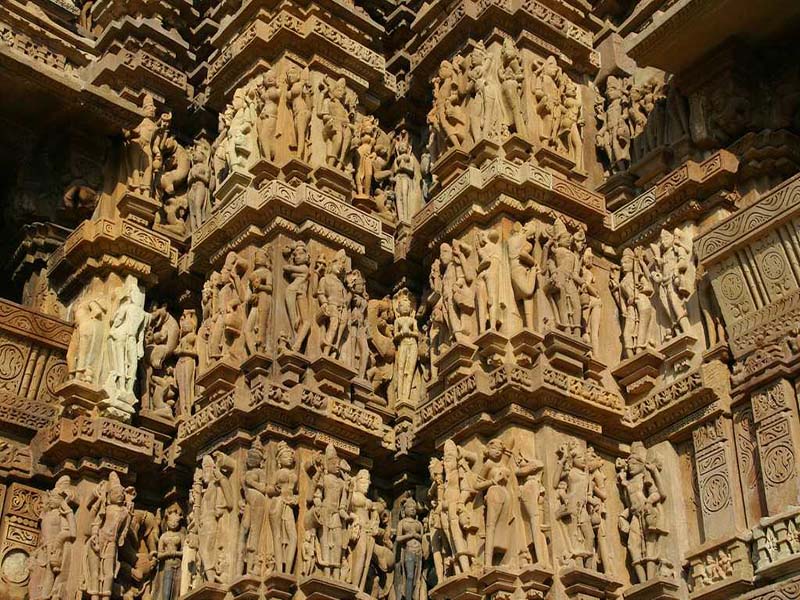
The most brilliant specimens of Indian architecture, Khajuraho is a treasure of Indian heritage that brings visitors from the far ends of the globe. The erotic sculptures adorning the temples of Khajuraho is unique and in few words, is simply poetry carved on stone. The fascinating brilliance of the Khajuraho Group of Temples is the reason it is named among the UNESCO World Heritage sites in India. It is located in the Bundelkhand region of the central Indian state of Madhya Pradesh and is one of the many historic treasures of the land. Khajuraho tours helps to unearth the glorious past, brilliance of craftsmanship that brought to the life the stone sculptures and carvings.
Once guarded by swaying date palm trees, the city of Khajuraho got its name from the ‘khajur trees’ the date palms. A study in art and sculpture, the city traces its origin to the 10th century when it was the bastion of the Chandela dynasty. The famous Chandela temples, erected between the 10th and 11th centuries were abandoned to the jungle during the Muslim era. In 1840 British tiger-hunters came upon them and in the 1920s twenty-two of the original 85 were excavated.
The surviving temples of Khajuraho belongs to both Hinduism and Jainism. The rosy sandstone tiered temples of beautifully carved figures follow the Nagara-style architecture. These depict the warrior clan's ebullient style in battle and in love. Such is the finesse and details of the carvings that every one of the carved women have their own unique hairstyle different from the other. Now a world heritage site, Khajuraho is an Indian destination you cannot afford to miss. Places to visit in Khajuraho are the Eastern and Western Group of temples. While many are in ruins, the most impressive include Lakshamana Temple, Kandariya Mahadev Temple, Devi Jagdamba Temple, Parsvanath Temple, Chausat Yogini, Chaturbhuj Temple, Brahma Temple, Chitragupta Temple, etc.
Besides the mesmerizing tourist attractions of Khajuraho, there is much more on offer. The Khajuraho dance festival is an annual celebration that celebrates the different forms of classical Indian dances. Held in February, the three-day dance festival set against the backdrop of the temples is an experience of a lifetime. A tour of the villages nearby is also unmissable. For a tryst with wilderness, there is the Panna national park and the Ken Ghariyal Reserve. Discover the glories of the days past, the skills of architecture and craftsmanship and the most-prized of India’s legacy at the Khajuraho.
Khimsar
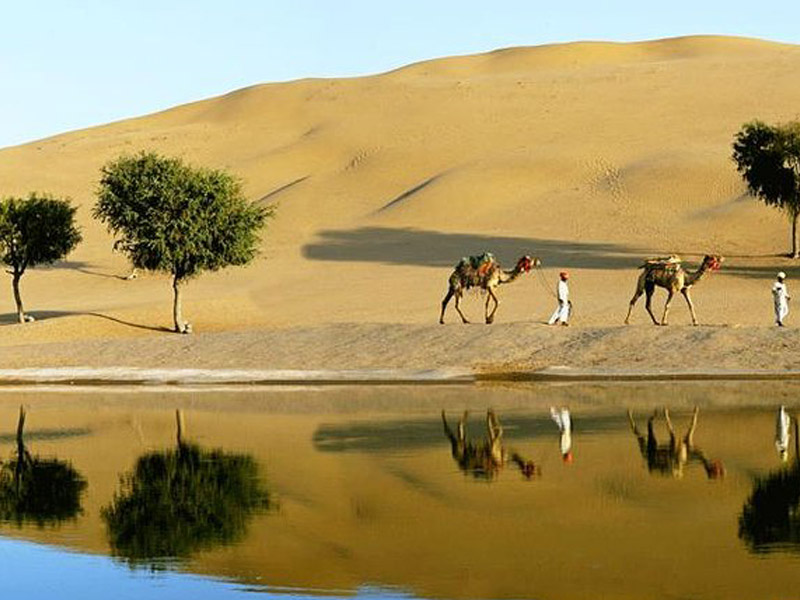
Perched on the edge of the Thar Desert, Khimsar is one of the most fascinating destinations in Rajasthan. This charming desert village is best known for the magnificent Khimsar Fort, a 16th-century fortress that has been beautifully restored into one of India's finest heritage hotels. Surrounded by battle-scarred ramparts, lush gardens, and showcasing traditional Rajasthani architecture, the fort offers visitors a glimpse into the region's glorious past while providing the warmth of royal hospitality. A stay at Khimsar Fort combines history, luxury, and authentic desert experiences, creating memories that last a lifetime.
A short drive from the fort lies the enchanting Khimsar Dunes Village, accessible only by camel or jeep across the golden sands of the Thar Desert. Nestled around a serene lake, this unique desert settlement offers an authentic glimpse into rural Rajasthani life. Appearing like a mirage amidst endless sand dunes, the village is celebrated for its scenic beauty, vibrant culture, and peaceful surroundings. Sunrise and sunset paint the dunes in spectacular shades of gold and crimson, making them the most magical times to visit. Nearby, the Blackbuck Reserve provides an opportunity to spot the graceful and elusive blackbuck in its natural habitat, making Khimsar an excellent destination for nature lovers and wildlife enthusiasts.
Khimsar also serves as an ideal base for exploring several nearby attractions. The historic desert town of Osian, renowned for its beautifully carved Hindu and Jain temples, was once an important stop on ancient caravan trade routes. Another nearby destination is Nagaur, famous for its impressive fort and the annual Nagaur Cattle Fair, one of Rajasthan's largest rural festivals featuring livestock trading, folk music, cultural performances, and traditional sports. Combining royal heritage, desert landscapes, wildlife, and rich cultural experiences, Khimsar offers a peaceful and unforgettable retreat in the heart of Rajasthan.
Kolkata
Kolkata, fondly known as the ‘City of Joy’, is one of the most fascinating destinations in India. The capital of West Bengal, Kolkata is celebrated for its rich cultural heritage, intellectual legacy, colonial architecture, and artistic traditions. Home to Nobel laureate Rabindranath Tagore and revered as the city of Mother Teresa, Kolkata beautifully blends its British colonial past with the vibrant spirit of modern India. Every street, monument, and neighborhood reflects centuries of history, making Kolkata an unforgettable destination for history buffs, art lovers, and culture enthusiasts. The city also serves as an important gateway to Eastern and North Eastern India.
Formerly the capital of British India until 1911, Kolkata evolved from a small fishing village into one of the country's largest and most influential metropolitan cities. Despite embracing modernization, the city has retained its old-world charm and leisurely pace of life. It is home to India's first Metro Railway and boasts numerous heritage buildings that are over a century old. Kolkata's vibrant literary scene, thriving art galleries, theatres, music, and educational institutions have earned it the reputation of being India's cultural capital.
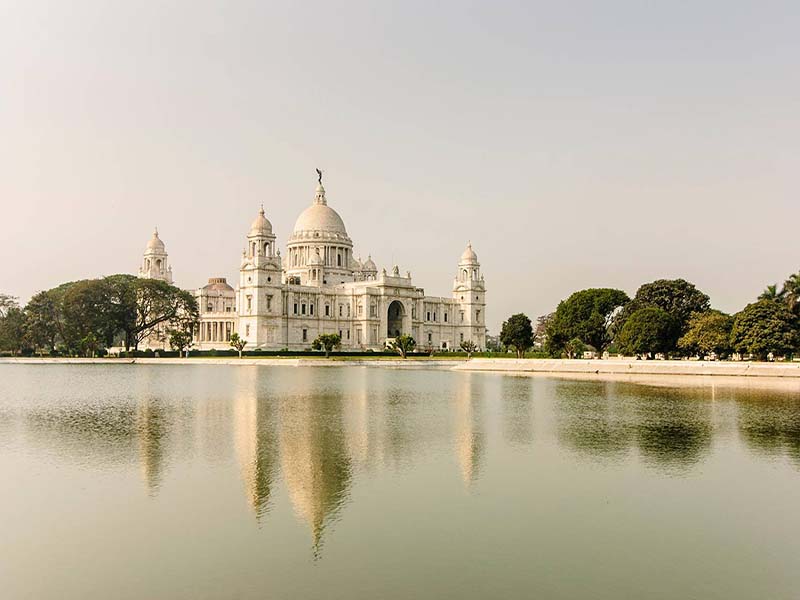
Kolkata offers an impressive collection of historical landmarks and cultural attractions. Must-visit sites include the magnificent Victoria Memorial, one of the city's most iconic monuments, the historic Howrah Bridge, Eden Gardens, Raj Bhavan, and the beautiful riverside ghats along the Hooghly River. Visitors can also enjoy scenic river cruises on the Hooghly. A walk through Kumartuli, the famous potters' quarter, offers a fascinating glimpse into the craftsmanship behind the idols created for festivals such as Durga Puja. For those seeking peace and spirituality, Belur Math, the headquarters of the Ramakrishna Mission, is a serene and inspiring destination.
Beyond its monuments, Kolkata is equally renowned for its food, shopping, and vibrant cultural life. From delicious Bengali sweets such as rasgulla and sandesh to fresh seafood and traditional Bengali cuisine, the city is a paradise for food lovers. Bustling markets offer exquisite handloom sarees, handicrafts, and locally crafted products, while College Street, the world's largest second-hand book market, is a dream destination for book lovers. Evenings in Kolkata come alive with theatre performances, music concerts, art exhibitions, poetry readings, and cultural festivals. To experience the city's true spirit, visit during the spectacular Durga Puja, when Kolkata transforms into a dazzling celebration of art, devotion, and community, creating memories that last a lifetime.
Kovalam
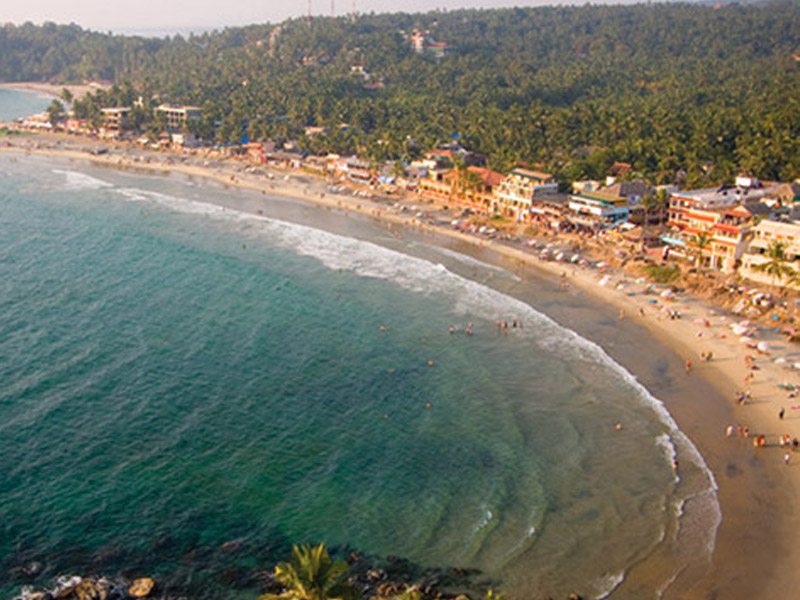
Kovalam is Kerala's most famous beach destination, renowned for its breathtaking coastline along the Arabian Sea. Located just 16 km from Thiruvananthapuram, the capital of Kerala, this picturesque beach town is among the most popular honeymoon and leisure destinations in South India. Fringed by swaying coconut palms and golden sands, Kovalam is famous for its three stunning beaches, Lighthouse Beach, Hawa Beach, and Samudra Beach. Besides its scenic beauty, Kovalam is equally celebrated for its Ayurvedic wellness centers, luxurious beach resorts, and exciting water sports, making it a perfect destination for relaxation and adventure alike.
Originally a quiet fishing village, Kovalam gained international recognition during the 1960s when it became a favorite retreat for travelers from around the world. Today, it has evolved into one of India's finest tropical beach destinations while still retaining its laid-back charm. Whether you are planning a honeymoon, a family vacation, a solo getaway, or a relaxing beach holiday, Kovalam offers something for every traveler. The town boasts a wide range of accommodation options, from luxury beachfront resorts and boutique hotels to comfortable guesthouses, ensuring a memorable stay for every budget.
Beyond relaxing on its beautiful beaches, Kovalam offers an array of recreational activities. Adventure enthusiasts can enjoy swimming, surfing, parasailing, scuba diving, snorkeling, windsurfing, and other water sports in the calm waters of the Arabian Sea. Kovalam is also one of the best places in Kerala to experience authentic Ayurvedic therapies. Numerous wellness centers and spa resorts offer traditional massages and rejuvenation treatments designed to refresh the body, mind, and soul. Visitors can choose from a variety of wellness packages that combine ancient healing practices with modern comfort.
The vibrant beachside atmosphere of Kovalam is enhanced by its charming cafés, seafood restaurants, and open-air eateries serving delicious Kerala cuisine alongside Indian and international delicacies. Beach shacks, local markets, and handicraft shops provide excellent opportunities to shop for souvenirs, spices, coir products, handmade jewelry, and traditional Kerala handicrafts. Combining pristine beaches, wellness experiences, adventure sports, and warm hospitality, Kovalam continues to be one of the most sought-after coastal destinations in India.
Kumarakom
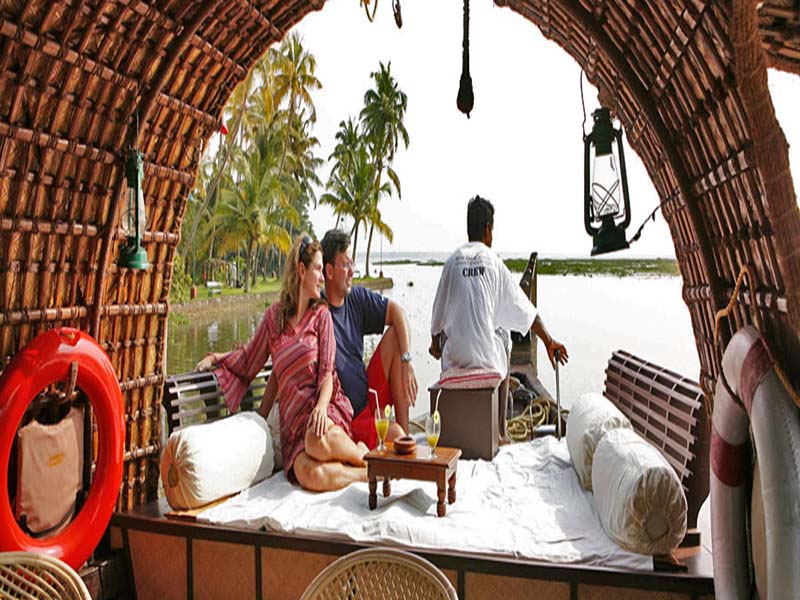
Nestled along the beautiful Vembanad Lake, Kumarakom is among the must-visit places in God’s Own Country, Kerala. Named as one of the top 15 beautiful spots in the world by the National Geographic magazine, the backwater town is a slice of paradise on earth. Kumarakom tours is ideal for nature lovers. The stretch of the backwater here are home to many species of birds that are inhabit the popular bird sanctuary. Furthermore, the houseboat ride here is a blissful experience that is perfect for couples on honeymoon. In addition, Ayurveda is a way of life here and indulging in the magic of the ancient science rejuvenates the body, mind and soul.
A part of the Kuttanad region of Kerala, Kumarakom is basically a cluster of islands on the Vembanad Lake. The beauty is beyond words and the main attraction that brings visitors to this haven. The Kumarakom Bird Sanctuary spread across 14 acres is one of the best places in India and the world to indulge in bird watching. A favorite haunt of migratory birds the thrill of spotting a number of species of avians in their natural habitats is simply amazing. Egrets, herons, teal, waterfowl, darters, cuckoo, wild duck and many more, make the sanctuary their home. Among the migratory birds, the popular ones visiting are the Siberian stork that live in Central Asia and fly to the reserve in the winter months. There huge number of the visiting flocks are a fascination for visitors. A boat trip is the best way to watch the birds of the Kumarakom sanctuary.
Kumarakom’s beautiful paradise is dotted with a network of enchanting waterways and canals adorned with while lilies, coconut groves swaying in the breeze, mangrove forests, and lush paddy fields. The beauty of the land is the reason of its immense popularity. For the many visitors, the backwater town has some of the most blissful resorts, hotels and options to stay. Accommodations in Kumarakom include lodging of all categories. The best of all are the dedicated Ayurveda resorts where you can indulge in pampering Ayurveda sessions. The houseboat rides, especially the overnight ones make for cherished memories. Canoeing and water sports are abundantly available.
Besides, the beauty and the tourist attractions in Kumarakom, the other unmissable things to do on your tour include village visit. The charming villages nearby follow ancient traditions and are amazing architecture. If you would like to witness the spirit of the town, attend the snake boat races and stay with the village folks.
Madurai
Madurai, fondly known as the "City of Nectar", is one of the oldest continuously inhabited cities in India and is often regarded as the cultural capital of Tamil Nadu. Situated on the banks of the Vaigai River, the city served as the capital of the mighty Pandya Kingdom and has been an important center of trade, culture, literature, and spirituality for over two millennia. Rich in history and heritage, Madurai remains one of the must-visit destinations in South India, attracting pilgrims, history enthusiasts, and travelers from around the world.
Madurai has been mentioned in several ancient Indian texts, including the Ramayana, Kautilya's Arthashastra, and numerous Tamil literary works. The city was visited by renowned travelers such as Megasthenes (4th century BCE), Pliny the Elder, Ptolemy, Marco Polo, and Ibn Battuta, all of whom documented its prosperity and vibrant trade. Merchants from Rome and Greece established flourishing commercial ties with the Pandya rulers, making Madurai one of the most important trading centers of ancient South India. According to Hindu mythology, Lord Shiva performed his famous 64 Thiruvilaiyadals (divine miracles) in Madurai, further enhancing the city's spiritual significance.
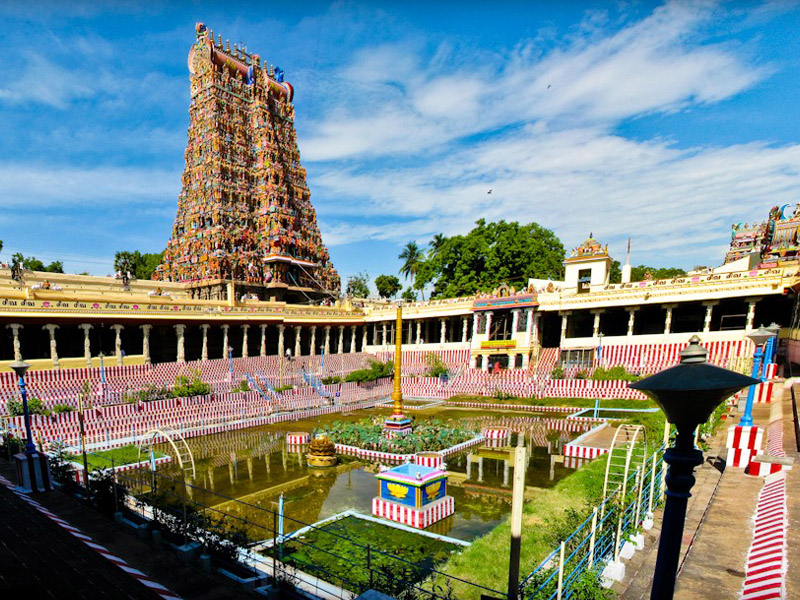
The city's most celebrated attraction is the magnificent Meenakshi Amman Temple, one of the finest examples of Dravidian temple architecture in India. Dedicated to Goddess Meenakshi and Lord Sundareswarar (Shiva), the temple is renowned for its towering, intricately sculpted gopurams adorned with thousands of colorful figures of gods, goddesses, mythical creatures, and celestial beings. The famous Thousand Pillar Hall showcases remarkable stone craftsmanship, with several pillars producing musical notes when gently tapped. Other important attractions include the grand Thirumalai Nayakkar Palace, an architectural masterpiece blending Dravidian and Indo-Saracenic styles, the Gandhi Memorial Museum, and the Temple Art Museum, all of which reflect the city's rich artistic and historical legacy.
Madurai is equally famous for its vibrant markets, exquisite textiles, and fragrant jasmine flowers, often referred to as the "Jasmine Capital of India." The bustling streets are lined with shops selling elegant silk sarees, handcrafted brass lamps, traditional jewelry, and local handicrafts. The city's colorful festivals, especially the grand Chithirai Festival, attract thousands of devotees and visitors each year. Madurai is also celebrated for its delicious Tamil cuisine, offering everything from authentic South Indian delicacies to flavorful street food. With its remarkable blend of history, spirituality, architecture, shopping, and culinary delights, Madurai offers an unforgettable cultural experience for every traveler.
Mahabalipuram
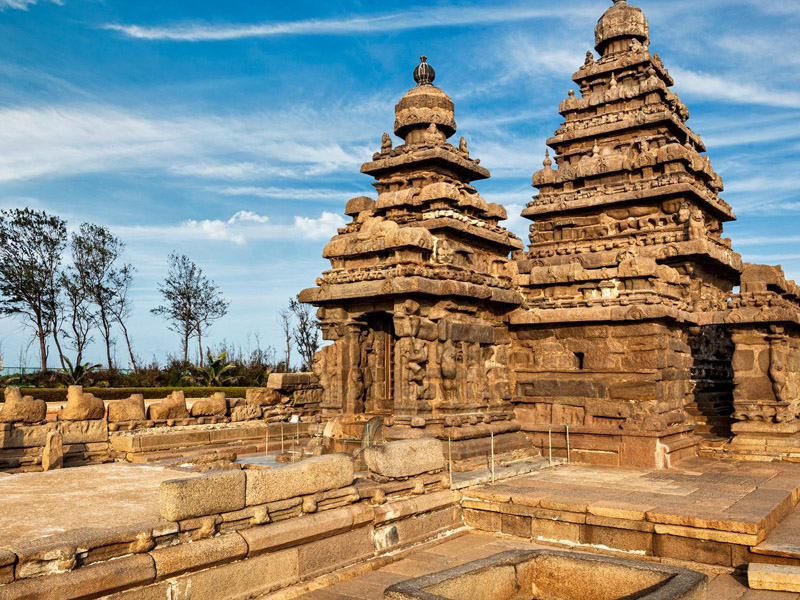
Mahabalipuram is a small town with vibrant history dates back to the Tamil Pallava dynasty in the 7th and the 9th century in South India. Famous for its rock carved temples, sculptures and the world’s largest stone bas relief, The Group of Monuments of Mahabalipuram is granted the status of a UNESCO World Heritage Site.
Formerly a grand port city of the glorious empire of the Pallavas, Mahabalipuram now known as Mamallapuram is among the finest specimens of craftsmanship. The glorious days have mastered the art of construction without using bricks or mortar. Their exquisite sculptures from rocks are one of its kind and are the pioneer of many such masterpieces. The extravagant Shore Temple is an icon, associated with the glory of the days. This city is a place of ancient sculptural wonders. The structures here are mostly carved out of granite and are one of the oldest existing examples of the Dravidian architecture.
The world heritage site has other nine rock-cut cave temples with interesting carvings on the walls portrays scenes from the Hindu mythology and stories from Panchtantra. Awe at the finely-carved Hindu Gods and Goddesses in various postures, some mythological relating incidents. The most popular icon is the carving of the celebrated fight between Mahishasura and Goddess Durga and another carved image of Lord Vishnu and Lord Shiva.
Among the most impressive sights is the carving of the magnificent Pandava Rathas (Dedicated to the Pandava brothers of Mahabharata) all carved out of a single rock. Another popular carving is known as Arjuna’s Penance or the Descent of Ganga where the Mahabharata hero was said to have paid for his worldly sins. There are also famous ‘Mandapams', which are rock-cut galleries with sculpted figures inside them. The timeless setting of rocks by the serene sea pays tribute to the magnificence of the heritage site.
Mumbai
Mumbai formerly called Bombay is a melting pot of cultures that offer memorable experiences. The commercial capital of India is home of entrepreneurs, dreamers, sky-touching concrete towers, thriving nightlife, cricket, Bollywood and so much more. Undoubtedly, Mumbai is one of the must- visit places in India. Mumbai tours lure history lovers, culture enthusiasts, experience-seekers and tourists from all walks of life.
The mesmerizing metropolitan is a cluster of seven islands, named after the Goddess Mumbadevi. The Portuguese arrived in 1534 and renamed it Bom Bahia, for the natural harbour which served as a safe haven for its ships. Slowly people made way to the city lured by the promise of business opportunities and religious freedom. Over the years the migrant population prospered, therefore land was reclaimed, and thus began transformation into the industrial hub and bustling metropolis. In the British Raj, the city grew and encompasses their culture. The city is marked with many landmarks with their distinctive style of architecture. Today, Mumbai is the country's financial & cultural center and also home to a thriving film industry. The coming together of two worlds, the amalgam of great wealth and abject poverty created endless activity that personifies this ‘city of dreams’.
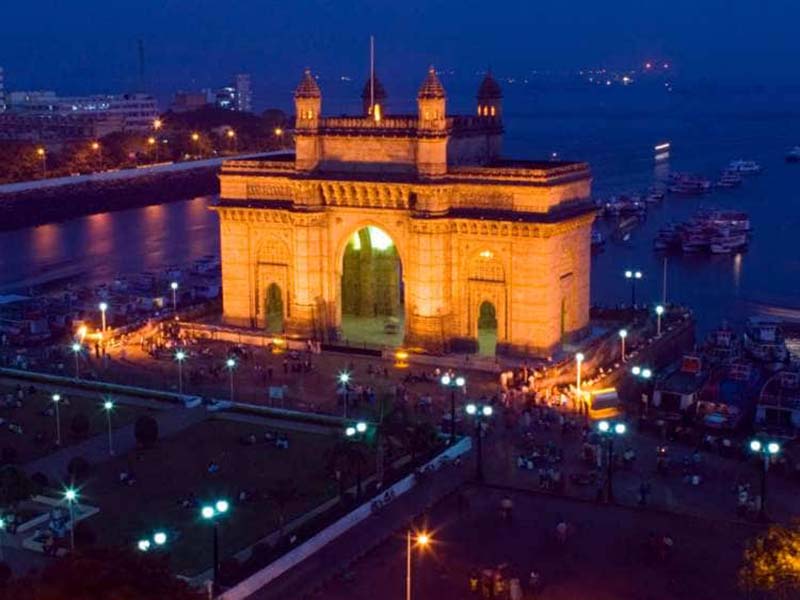
Places to visit in Mumbai include a huge list. Start with the Victoria Terminus, now Chattrapati Shivaji Terminal- a listed UNESCO World Heritage Site. Other must-visit attractions are the 3km long Marine Drive, Gateway of India, the Hanging Gardens, Mani Bhawan (where the Father of the Nation Mahatma Gandhi resided for several years), Chowpatty Beach, the Prince of Wales museum, Water Kingdom, etc. Besides the popular sights, the city has a plethora of cherished experiences. A visit to the Dharavi Slum, the biggest slum in Asia is a must in Mumbai. Witness the indelible spirit of Mumbai as the hardworking folks struggle and make their dreams come true. A tour of the Dhobi Ghat is also a pleasure. The most thrilling of all is the Dabbawala tour is Mumbai, where you can watch the organized tiffin system that feeds millions. Bollywood tour is a cherished experience. Another outing to definitely cover is to the Elephanta Islands housing the UNESCO World Heritage Site of the Elephanta Caves.
While sightseeing is amazing, the street food of Mumbai is not to be missed. There are both vegetarian as well as non-vegetarian dishes that tempt your taste buds. The thriving nightlife, with discotheques, pubs, arts & cultural scene keeps you up till the early hours of the day.
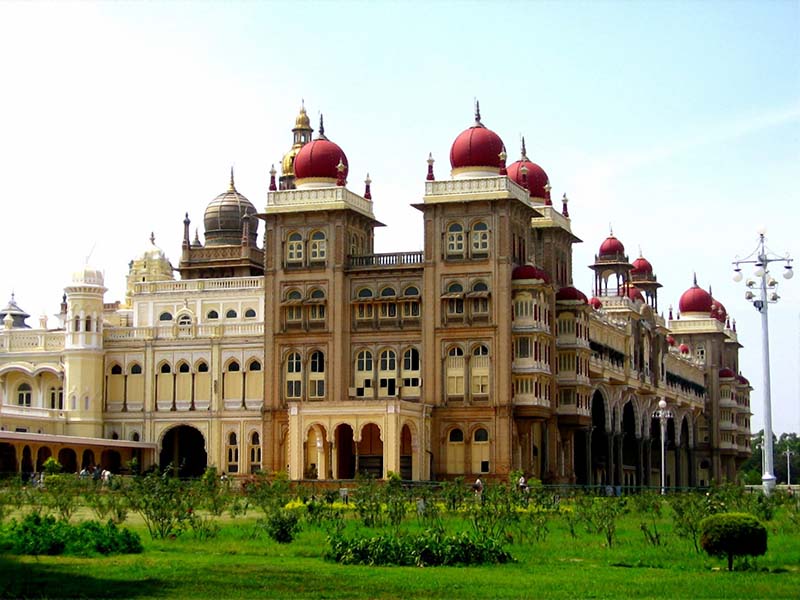
Mysore
Located at the foothills of the Chamundi Hills, Mysore (Mysuru) is one of the most beautiful heritage cities in India. Situated about 140 km from Bengaluru in the southern Indian state of Karnataka, Mysore is renowned for its royal heritage, magnificent palaces, grand temples, and well-manicured gardens. Perched at an elevation of approximately 770 meters above sea level, the city enjoys a pleasant climate throughout the year. Once the capital of the Wodeyar dynasty, Mysore continues to captivate visitors with its rich history, architectural splendor, and vibrant cultural traditions, making it one of the most popular tourist destinations in South India.
Mysore's royal legacy is reflected in its remarkable monuments and historic landmarks. The city's most iconic attraction is the magnificent Mysore Palace (Amba Vilas Palace), one of the largest and most beautiful royal residences in India. Rebuilt in 1912, the palace showcases an exquisite blend of Indo-Saracenic architecture, combining Hindu, Islamic, Gothic, and Rajput styles. Every Sunday evening and throughout the famous Mysore Dasara festival, the palace is illuminated with thousands of lights, creating a spectacular sight. Other notable heritage attractions include Jaganmohan Palace, Lalitha Mahal Palace, and Jayalakshmi Vilas Mansion. Nearby, visitors can also explore Srirangapatna Fort and Tipu Sultan's Summer Palace, both of which offer fascinating insights into Karnataka's rich history.
Mysore offers a wide range of attractions for nature lovers, history enthusiasts, and spiritual seekers alike. Popular sightseeing spots include the Mysore Zoo, one of India's oldest and best-maintained zoological parks, the beautifully landscaped Brindavan Gardens, the scenic Krishnarajasagara (KRS) Dam, Ranganathittu Bird Sanctuary, Karanji Lake, Kukkarahalli Lake, and Lingabudi Lake. Important religious landmarks include the revered Chamundeshwari Temple atop Chamundi Hills, Sri Ranganathaswamy Temple at Srirangapatna, St. Philomena's Cathedral, the Jama Masjid at Srirangapatna, and the magnificent Golden Temple at Bylakuppe, one of the largest Tibetan Buddhist monasteries in India.
Beyond its historical attractions, Mysore is internationally recognized as one of India's leading centers for yoga and wellness. The city is also famous for its fragrant sandalwood products, intricately carved handicrafts, traditional rosewood inlay work, and the world-renowned Mysore silk sarees, which make excellent souvenirs. Food lovers can savor authentic Karnataka cuisine and classic South Indian delicacies served in traditional restaurants across the city. With its royal heritage, cultural richness, scenic beauty, and warm hospitality, Mysore offers an unforgettable travel experience and serves as an excellent base for exploring other attractions in Karnataka.
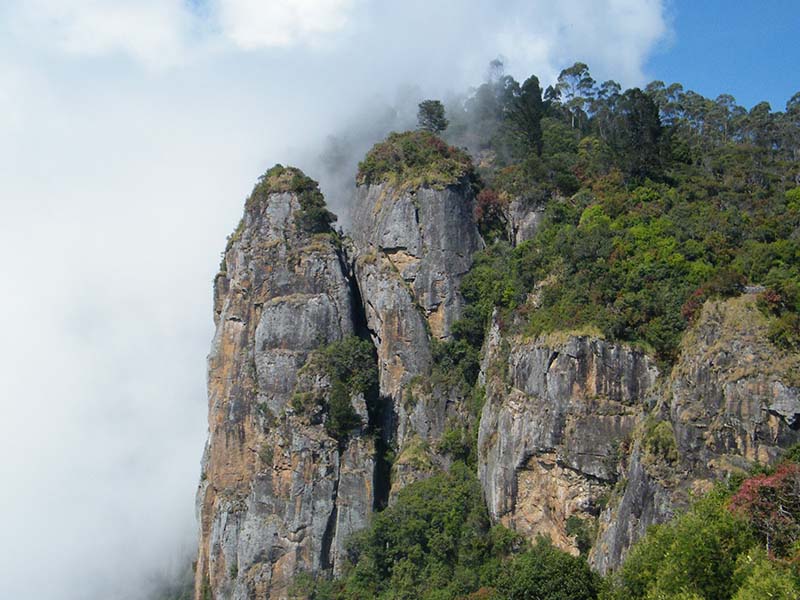
Ooty
Ooty in the Southern Indian State of Karnataka is fondly called the "Queen of hill stations". Named among the most beautiful places in India, Ooty is set picturesquely in the Nilgiris, called the "Blue Mountains" of India. Situated at an altitude of 2,240 meters above sea level, Ooty enjoys pleasant weather year-long. Formerly it used to be popular summer getaway during the British Raj and now too is one of the most preferred holiday destinations in the South. Drawing visitors from far ends of the globe, Ooty tours are perfect for families, honeymoon couples, nature lovers, etc.
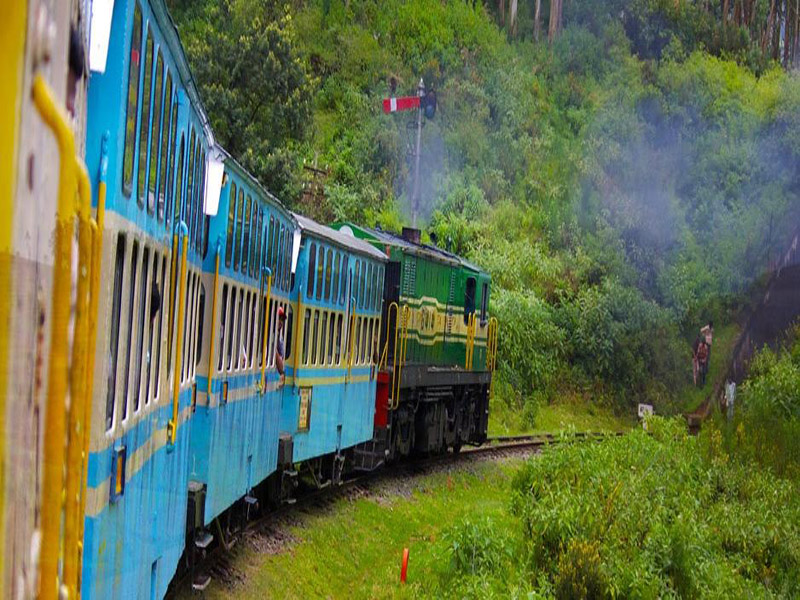
The major lure of Ooty is its beauty. Mists descend and settle on the hill-tops; lush tea gardens and coffee plantations are spread on the slopes, lakes dot the landscape and there are many more delights. The star attraction of a holiday in Ooty is the mountain train ride, also called the toy train. The Nilgiri Mountain Railways is listed as a UNESCO World Heritage Site. The rail route commences from Kallar, near Mettupalayam travelling through the many hair-raising curves and fearful tunnels. The train slowly chugs beside deep ravines full of verdant vegetation, gurgling streams and tea gardens. The ride is life-changing as you enjoy not just breath-taking beauty but also the splendid engineering that made such a thrilling ride possible in the early 20th century.
The most scenic places to visit in Ooty include Avalanche Lake, Ooty Lake, Emerald Lake, Ooty Botanical Gardens, Deer Park, Doddabetta Peak, Kalhatty Waterfalls, Kamraj Sagar Dam, Ooty Rose Garden, etc. The Mudumalai National Park is a beautiful reserve which is home to wildlife in their natural habitats. Even more interesting is Ooty’s tribal legacy. The town was the land of the Toda tribal community. Here, the Toda huts present a glimpse of the tribal lifestyle. The taste of home- made chocolates is one of the best things to do in Ooty. Enjoy boating at the lakes. Watch the scenic sunsets from the viewpoints. The annual Tea and Tourism Festival is an impressive event to enjoy the bliss of the town.
Whatever you choose to do in Ooty, relax, sightsee, try out adventure or create cherished memories, everything is possible. In fact, it makes for fond memories for a holiday!
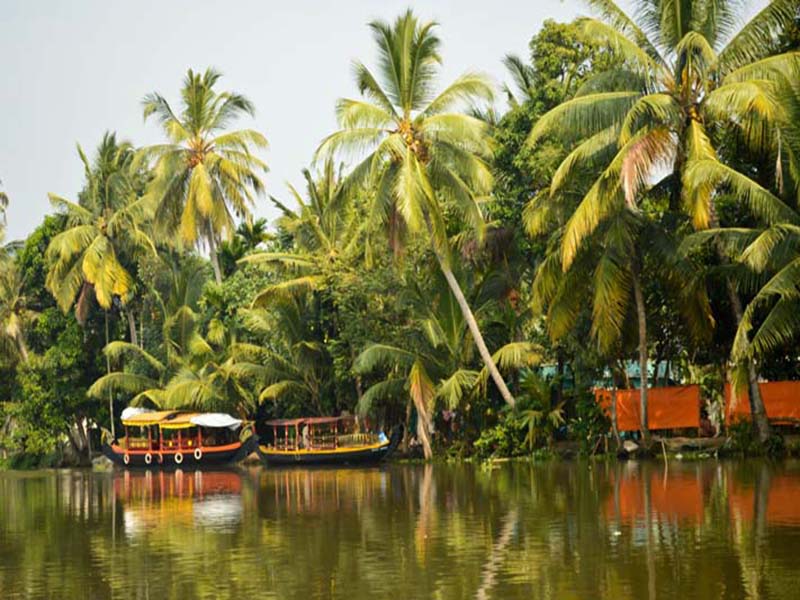
Periyar
Periyar is one of the finest examples of why Kerala is fondly known as God’s Own Country. Renowned for the Periyar National Park, this wildlife destination in the southern state of Kerala is among the most celebrated wildlife reserves in India and the world. Periyar is one of India's designated Project Tiger Reserves and is also an important Elephant Reserve. Nestled in the scenic Cardamom Hills, the sanctuary is blessed with rich biodiversity, including several rare and endangered species of flora and fauna. Rolling hills, dense forests, grasslands, and the waters of the Periyar and Pamba rivers create a spectacular natural landscape that attracts wildlife enthusiasts and nature lovers from across the globe.
The picturesque terrain enjoys a pleasant climate throughout the year, making Periyar an ideal destination in every season. Interestingly, it is one of the few wildlife sanctuaries in India that remains open even during the monsoon. Spanning over 777 square kilometers, the reserve is home to an impressive variety of wildlife, including Bengal Tigers, Asian Elephants, Leopards, Gaur, Sloth Bears, Dholes (Indian wild dogs), Nilgiri Langurs, and many other mammals. Birdwatchers can spot numerous endemic and migratory species such as the Malabar Grey Hornbill, Grey Junglefowl, Malabar Parakeet, White-cheeked Barbet, Crimson-fronted Barbet, Black-headed Cuckoo shrike, Heart-spotted Woodpecker, Rufous Babbler, White-bellied Blue Flycatcher, Rufous-tailed Flycatcher, Ruby-throated Bulbul, and White-bellied Treepie. Many of these species are unique to the Western Ghats and Sri Lanka.
One of the most distinctive experiences in Periyar is wildlife viewing by boat on the serene Periyar Lake, located at the heart of the sanctuary. As the lake serves as a vital watering hole, visitors often enjoy excellent sightings of elephants, deer, bison, and a variety of birds along its banks. Apart from boat safaris, Periyar offers a range of exciting eco-tourism activities, including guided nature walks, bamboo rafting, border hiking, birdwatching, and jungle trekking. Night patrol and guided night treks provide adventurous travelers with a unique opportunity to experience the forest after dark. Comfortable wildlife resorts and jungle lodges further enhance the experience of staying amidst nature.
Just a short distance from the sanctuary lies the charming hill town of Thekkady, another major attraction of the region. Visitors can stroll through aromatic spice plantations, learn about Kerala's world-famous spices, shop for fresh cardamom, pepper, cinnamon, and cloves, and enjoy the tranquil beauty of the surrounding hills. A visit to Periyar offers the perfect combination of wildlife, adventure, scenic beauty, and authentic Kerala experiences.
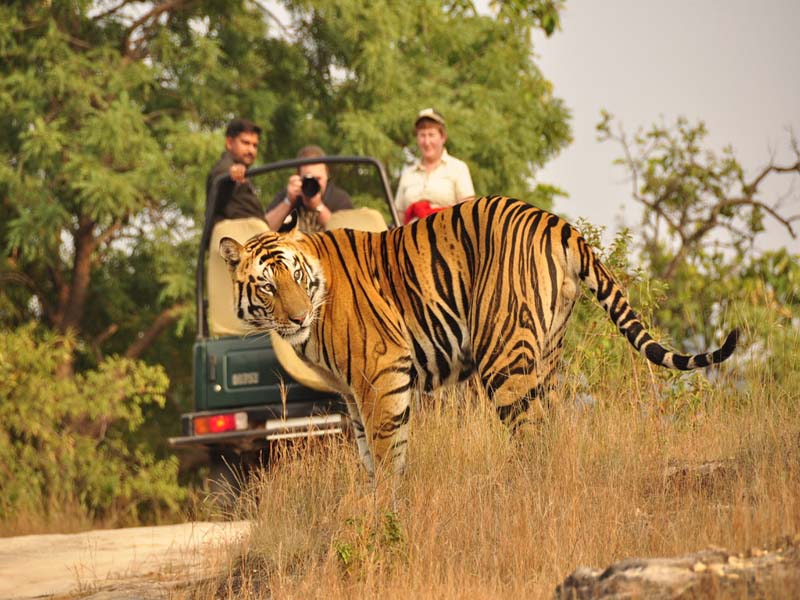
Ranthambore
Located in Rajasthan, Ranthambore is one of the finest wildlife destinations in India, renowned for its incredible biodiversity and thriving tiger population. As one of the country's premier Project Tiger reserves, Ranthambore National Park stands as a remarkable success story in wildlife conservation. Once the exclusive hunting grounds of the royal family of Jaipur, the region has transformed into a protected sanctuary where wildlife flourishes in its natural habitat. Adding to its historical significance, the magnificent 10th-century Ranthambore Fort, located within the national park, is part of the UNESCO-listed Hill Forts of Rajasthan. Home to the majestic Royal Bengal Tiger and a rich variety of flora and fauna, Ranthambore offers an unforgettable wildlife experience for nature lovers, photographers, and adventure enthusiasts alike.
Spread across approximately 400 square kilometres, Ranthambore National Park features a landscape of dry deciduous forests dominated by dhok trees, interspersed with rugged hills, rocky outcrops, open grasslands, lakes, and natural watering holes. Overlooking the wilderness is the imposing Ranthambore Fort, offering breathtaking views of the surrounding forest. Famous for its high probability of tiger sightings, the park is considered one of the best places in India to observe Royal Bengal Tigers in the wild. Other notable wildlife includes leopards, often spotted in the Kachida Valley, sloth bears, striped hyenas, jungle cats, marsh crocodiles, nilgai, chital (spotted deer), sambar deer, and chinkara. Birdwatchers can enjoy sightings of black storks, painted storks, Bonelli's eagles, crested serpent eagles, spurfowl, quails, and numerous migratory waterbirds during the winter months, making Ranthambore a paradise for wildlife photography.
Visitors can explore the park through exciting jeep safaris and canter safaris, while elephant rides are occasionally available for specific forest activities. Early morning and late afternoon safaris provide the best opportunities for wildlife sightings, as animals are most active during these cooler hours. Staying at one of the wildlife resorts around the park enhances the overall safari experience by allowing visitors to immerse themselves in the natural surroundings. The best time to visit Ranthambore National Park is from October to April, when the weather is pleasant and wildlife is easily spotted. Although the summer months are hot, they offer excellent opportunities to observe animals gathering around lakes and watering holes, making it one of the most rewarding seasons for tiger sightings.

Rohet
Rohet is a charming rural village in Rajasthan, located on the edge of the Thar Desert, about 45 km south of Jodhpur. It serves as an ideal stopover for travelers journeying between Jodhpur and Udaipur. Originally settled by the Bishnoi community, a nature-loving tribe renowned for its commitment to wildlife and environmental conservation, Rohet flourished around a large lake that continues to attract hundreds of migratory and resident birds. Surrounded by peaceful countryside, the village offers an authentic glimpse into Rajasthan's traditional rural lifestyle, making it a perfect destination for those seeking tranquility, culture, and natural beauty.
Although Rohet is not known for grand forts or monumental attractions, its true charm lies in its rustic landscapes, vibrant village life, and warm hospitality. Visitors can explore the countryside on jeep safaris, horseback rides, or guided village walks, interact with the local Bishnoi community, and experience centuries-old traditions that remain largely unchanged. The serene atmosphere, scenic farmlands, and abundant birdlife make Rohet an ideal retreat away from the bustling tourist circuit.
The highlight of the village is Rohet Garh, a beautifully restored 375-year-old palace that has been transformed into one of the finest heritage hotels in Rajasthan. Nestled beside a picturesque lake and surrounded by rural landscapes, the palace offers an unforgettable blend of royal heritage and modern comfort. Guests can relax by the elegant swimming pool, unwind in peaceful verandas overlooking the countryside, and enjoy traditional Rajasthani hospitality. Evenings at Rohet Garh are particularly memorable, with poolside dinners accompanied by captivating folk music and dance performances, creating an authentic and enchanting cultural experience.
Shimla
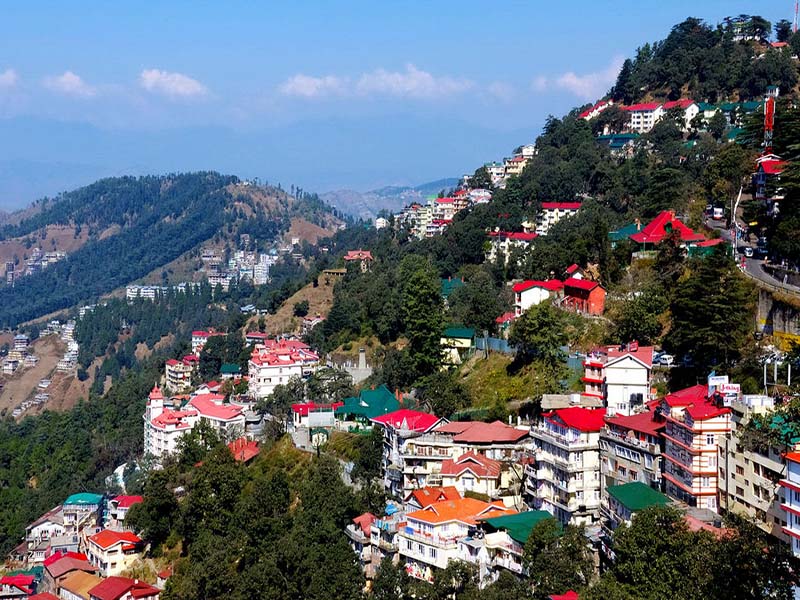
Nestled in the picturesque Himalayas, Shimla is one of the most popular hill stations in India and the charming capital of the northern state of Himachal Pradesh. Perched at an altitude of approximately 2,205 meters (7,234 feet) above sea level, Shimla is renowned for its pleasant climate, colonial heritage, and breathtaking mountain scenery. During the British Raj, it served as the Summer Capital of British India until 1947, leaving behind a rich legacy of Victorian architecture and timeless elegance. Today, the hill town continues to attract travelers seeking nature, history, and relaxation. Shimla tours offer the perfect opportunity to experience the beauty, culture, and serenity of the Himalayan foothills.
Originally a small village named after Goddess Shyamala Devi, a manifestation of Goddess Kali, Shimla gradually evolved into one of India's most celebrated hill resorts during the 19th century. Its cool climate and scenic surroundings made it a favored retreat from the summer heat of the northern plains. In 1903, the iconic Kalka–Shimla Railway was inaugurated, connecting the hill station to the plains through an engineering marvel featuring over 100 tunnels and hundreds of bridges. Today, this narrow-gauge railway is recognized as part of the UNESCO World Heritage-listed Mountain Railways of India and remains one of Shimla's most memorable experiences. The pleasant summers, vibrant spring season, lush monsoons, and snow-covered winters make Shimla an attractive destination throughout the year. Its proximity to Delhi and Chandigarh further enhances its popularity among domestic and international travelers.
Shimla's colonial charm is beautifully preserved in its historic buildings, tree-lined avenues, and bustling promenades. The town's most popular attractions include the sacred Jakhoo Temple, the neo-Gothic Christ Church, the lively Mall Road, The Ridge, the Indian Institute of Advanced Study (Viceregal Lodge), Gaiety Heritage Cultural Complex, Gorton Castle, Himachal State Museum, Summer Hill, and the scenic Chadwick Falls. Nearby destinations such as Kufri, famous for snow activities and horse riding, Chail, home to the world's highest cricket ground and the historic Chail Palace, Naldehra, known for its picturesque golf course, and Mashobra, surrounded by cedar forests and apple orchards, make excellent day trips from Shimla.
Shimla is equally rewarding for shopping enthusiasts and food lovers. The bustling Mall Road and Lakkar Bazaar are ideal places to shop for traditional Himachali handicrafts, handcrafted wooden souvenirs, woollen shawls, Kullu caps, local jewelry, and handmade artifacts. The city's cafés, bakeries, and restaurants serve a delightful mix of Himachali and North Indian cuisine. Visitors should not miss local specialties such as Chha Gosht, Siddu, Madra, Babru, Tudkiya Bhath, and traditional Himachali Dham. Fresh apple products, homemade jams, pickles, and locally produced fruit wines also make excellent souvenirs.
Adventure seekers will find plenty to enjoy in and around Shimla. Trekking through pine forests, nature walks, mountain biking, camping, horse riding, zip-lining, skiing in Kufri during winter, ice skating at Asia's only naturally frozen open-air ice skating rink, and scenic toy train journeys provide unforgettable experiences for visitors of all ages. Birdwatching and photography enthusiasts can also explore the region's rich biodiversity and panoramic Himalayan landscapes.
With its blend of colonial heritage, spectacular mountain views, pleasant weather, vibrant local culture, adventure activities, and warm hospitality, Shimla remains one of the finest holiday destinations in India. The town offers a wide range of accommodations, from luxury heritage hotels and boutique resorts to comfortable mountain lodges, ensuring a memorable stay for honeymooners, families, nature lovers, and adventure enthusiasts alike.
Udaipur
Known as the "City of Lakes", Udaipur is one of the most beautiful and romantic destinations in India. Nestled amidst the ancient Aravalli Hills in Rajasthan, this enchanting city is renowned for its shimmering lakes, magnificent palaces, vibrant culture, and timeless royal heritage. Often referred to as the "City of Dawn", Udaipur attracts travelers from around the world with its breathtaking landscapes and regal charm. A popular tourist destination in North India, Udaipur offers an unforgettable blend of history, architecture, luxury, and traditional Rajasthani hospitality.
Founded in 1559 by Maharana Udai Singh II, Udaipur served as the capital of the erstwhile Kingdom of Mewar, one of Rajasthan's most respected Rajput kingdoms. The city proudly preserves the legacy of the brave rulers of Mewar, especially Maharana Pratap, whose courage and patriotism continue to inspire generations. Rich in history and surrounded by natural beauty, Udaipur remains one of the must-visit heritage cities in India, where every palace, temple, and street reflects centuries of royal grandeur.
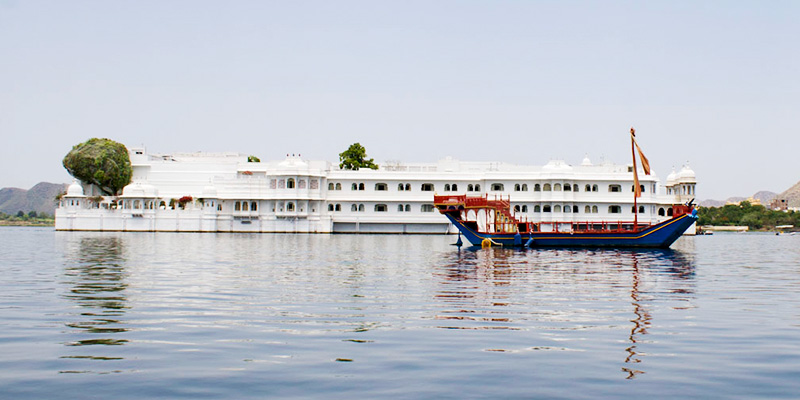
The city's architectural treasures are among its biggest attractions. Dominating the skyline is the magnificent City Palace, the largest palace complex in Rajasthan, offering spectacular views of Lake Pichola while housing museums, royal courtyards, galleries, and priceless collections of paintings, weapons, and artifacts. Other must-visit attractions include the beautifully carved Jagdish Temple, the historic Bagore Ki Haveli, the elegant Saheliyon Ki Bari, the fascinating Royal Vintage Car Museum, and the iconic Lake Palace, gracefully rising from the waters of Lake Pichola. Visitors can also explore the scenic Fateh Sagar Lake, Sajjangarh Monsoon Palace, Karni Mata Temple, and Doodh Talai for panoramic views of the city. These remarkable landmarks make Udaipur sightseeing tours an unforgettable experience.
A sunset boat ride on Lake Pichola is one of the highlights of any visit to Udaipur. As the golden rays reflect off the tranquil waters and illuminate the surrounding palaces and ghats, the city reveals its magical beauty. Walking through the narrow lanes of the old city is equally rewarding, where travelers can discover colorful bazaars selling miniature paintings, handcrafted silver jewelry, marble artifacts, leather goods, embroidered textiles, puppets, and traditional Rajasthani handicrafts. Popular shopping destinations include Hathi Pol Bazaar, Bada Bazaar, Chetak Circle, and Shilpgram, where local artisans showcase their exceptional craftsmanship.
Food lovers will find Udaipur equally delightful. The city's restaurants and rooftop cafés serve authentic Rajasthani cuisine, including Dal Baati Churma, Gatte Ki Sabzi, Ker Sangri, Laal Maas, Pyaaz Kachori, Mirchi Vada, and delicious traditional sweets such as Ghewar and Malpua. Dining beside the lakes while enjoying views of illuminated palaces creates an unforgettable culinary experience.
Beyond its heritage attractions, Udaipur also offers exciting experiences for adventure and culture enthusiasts. Visitors can enjoy horse riding, cycling tours, village safaris, heritage walks, ropeway rides to Karni Mata Temple, photography tours, cultural dance performances, puppet shows, and boating on Lake Pichola and Fateh Sagar Lake. The city also serves as an excellent base for exploring nearby attractions such as Kumbhalgarh Fort, Ranakpur Jain Temples, Haldighati, Eklingji Temple, Nathdwara, and Chittorgarh Fort, making Udaipur one of the finest travel destinations in Rajasthan and India.
Varanasi
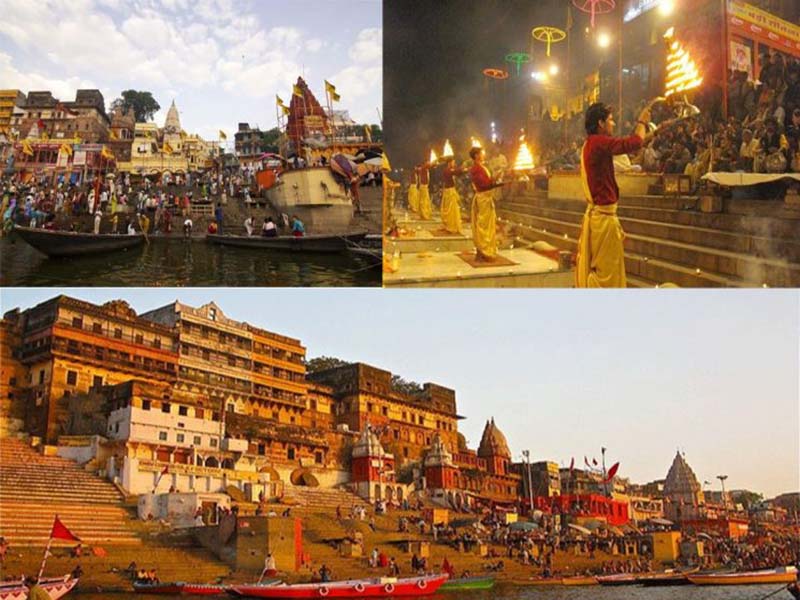
Varanasi, one of the world's oldest continuously inhabited cities, is a destination that every traveler should experience at least once in a lifetime. Revered as the spiritual capital of India, Varanasi is the holiest city in Hinduism and a timeless center of faith, culture, and learning. Situated on the banks of the sacred River Ganga in the northern state of Uttar Pradesh, the city is believed to be where the cycle of life and death comes full circle. The holy river, worshipped as Mother Ganga, flows through the city, making it one of India's most important pilgrimage destinations. For travelers seeking an authentic glimpse into India's spiritual heritage, traditions, and timeless rituals, Varanasi offers an unforgettable journey.
Known through the ages as Kashi, Banaras, and now Varanasi, the city's present name is believed to be derived from the two rivers, Varuna and Assi, which mark its northern and southern boundaries. With a history spanning over 3,000 years, Varanasi has remained one of the most significant centers of Hindu philosophy, Sanskrit education, music, art, and culture. Every year, millions of pilgrims and visitors from around the world come here to seek blessings, perform religious ceremonies, and experience the city's unique spiritual atmosphere.
The city's greatest attraction is its magnificent chain of over 80 ghats lining the River Ganga. Among the most famous are Dashashwamedh Ghat, Assi Ghat, Manikarnika Ghat, Harishchandra Ghat, and Panchganga Ghat, each carrying immense religious and historical significance. The narrow lanes of the old city are filled with centuries-old temples, shrines, traditional homes, bustling markets, and hidden courtyards that reflect the city's timeless charm. A visit to the revered Kashi Vishwanath Temple, dedicated to Lord Shiva, is considered one of the most sacred experiences for Hindu pilgrims. Other notable attractions include the Sankat Mochan Hanuman Temple, Durga Temple, Tulsi Manas Mandir, Bharat Mata Temple, and the historic Ramnagar Fort.
Just 13 km from the city lies Sarnath, one of Buddhism's most sacred pilgrimage sites, where Lord Buddha delivered his first sermon after attaining enlightenment. Visitors can explore the Dhamek Stupa, Chaukhandi Stupa, Ashoka Pillar, Mulagandha Kuti Vihara, and the Archaeological Museum, making Sarnath an essential excursion during any visit to Varanasi.
Varanasi is equally renowned for its rich artistic traditions and craftsmanship. The city is famous for its exquisite Banarasi silk sarees, handwoven textiles, wooden toys, brassware, carpets, and handicrafts. Exploring the weaving communities offers visitors a fascinating insight into centuries-old weaving techniques that continue to produce some of India's finest silk fabrics. Popular shopping areas include Vishwanath Gali, Godowlia Market, Thatheri Bazaar, and Chowk, where visitors can purchase authentic Banarasi silk, handcrafted souvenirs, and traditional artifacts.
No visit to Varanasi is complete without witnessing the mesmerizing Ganga Aarti at Dashashwamedh Ghat. Held every evening, this spectacular ritual features synchronized chanting of Vedic hymns, devotional music, incense, and large brass lamps offered to the sacred river, creating one of the most unforgettable spiritual experiences in India. An early morning boat ride on the River Ganga provides breathtaking views of the sunrise, the bustling ghats, and the city's daily rituals unfolding along the riverbanks.
Food lovers will also find Varanasi a culinary delight. The city's famous specialties include Kachori Sabzi, Tamatar Chaat, Banarasi Chaat, Baati Chokha, Malaiyyo (seasonal winter delicacy), Lassi, Rabri, Jalebi, and the world-famous Banarasi Paan. Visitors can also enjoy heritage walks, photography tours, yoga and meditation sessions, cultural performances, classical music concerts, and boat cruises, making a holiday in Varanasi a perfect blend of spirituality, history, culture, and unforgettable experiences.