Travel Category

UNESCO World Heritage Sites in India

by

Rich in culture, heritage, history, architecture, and a legacy of thousands of years, India is a treasure awaiting to be explored. India has 40 UNESCO listed World Heritage Sites, and that makes India with among the countries with the maximum number of World Heritage Sites in the world! There are 32 cultural sites, 7 natural sites and 1 mixed as recognised by UNESCO. Besides, that India is home to 13 traditional-cultural elements that have been inscribed on the UNESCO List of the Intangible Cultural Heritage of Humanity.

Here is a list of UNESCO World Heritage Sites in India:

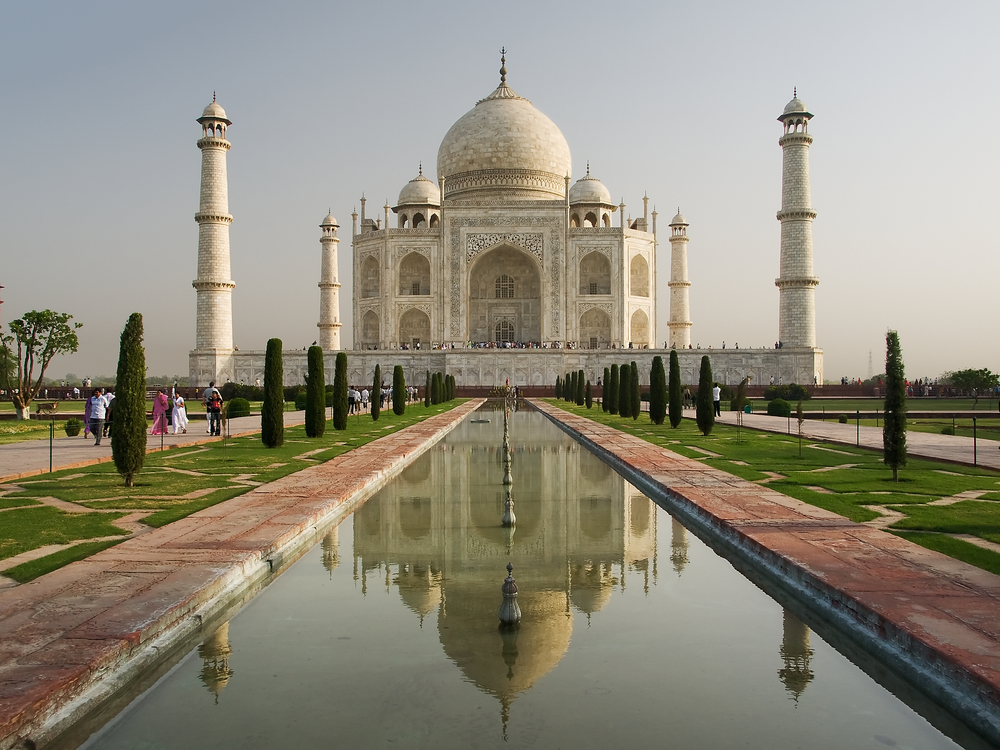
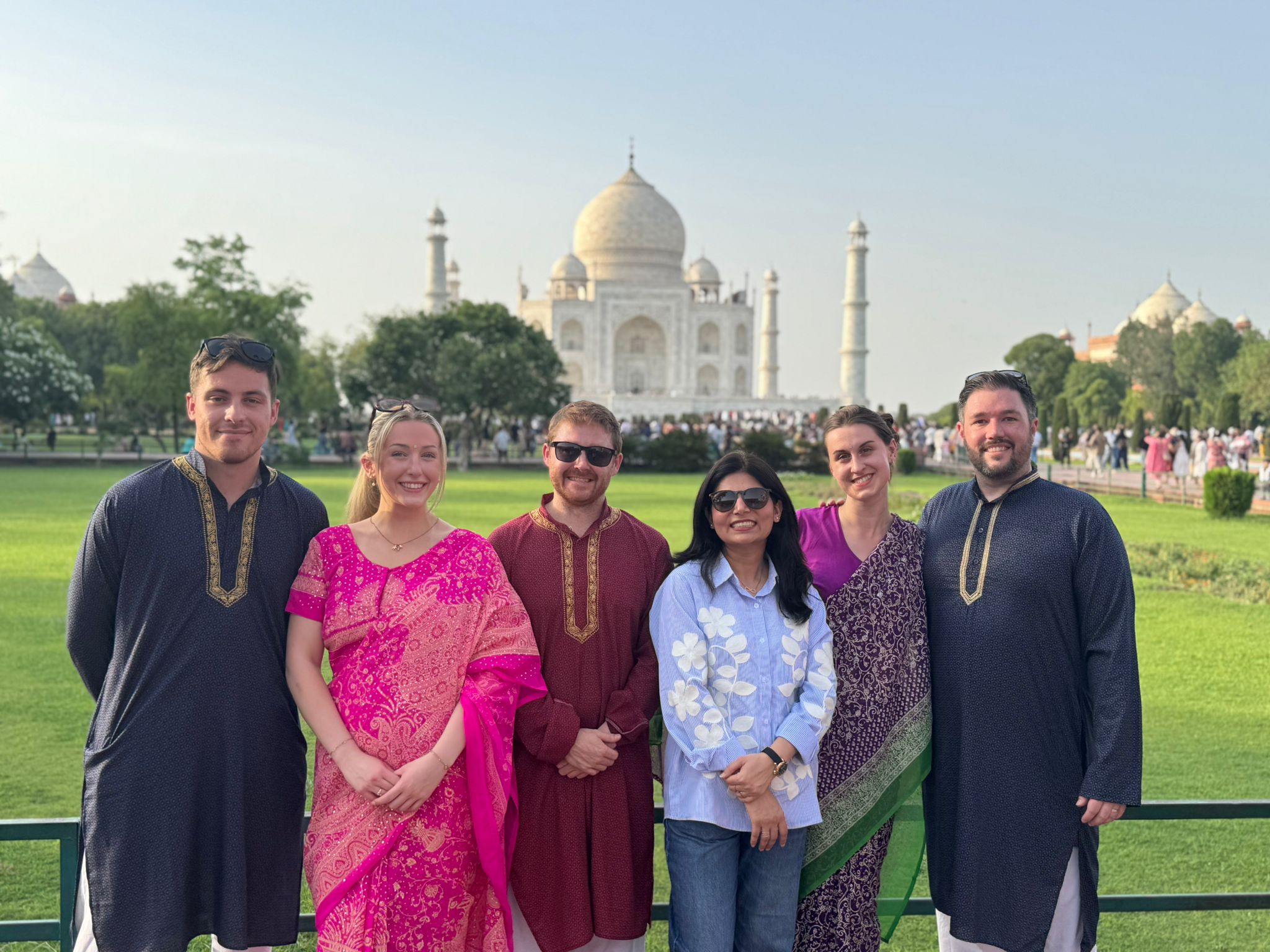
1. Taj Mahal, Agra

Taj Mahal

One of Seven Wonders of the World, a white marble Mughal architecture, the Taj Mahal was built by Mughal Emperor in memory of his beloved. It is located at the bank of river Yamuna in Agra. The 17th century masterpiece is considered as the best example of Mughal architecture worldwide.

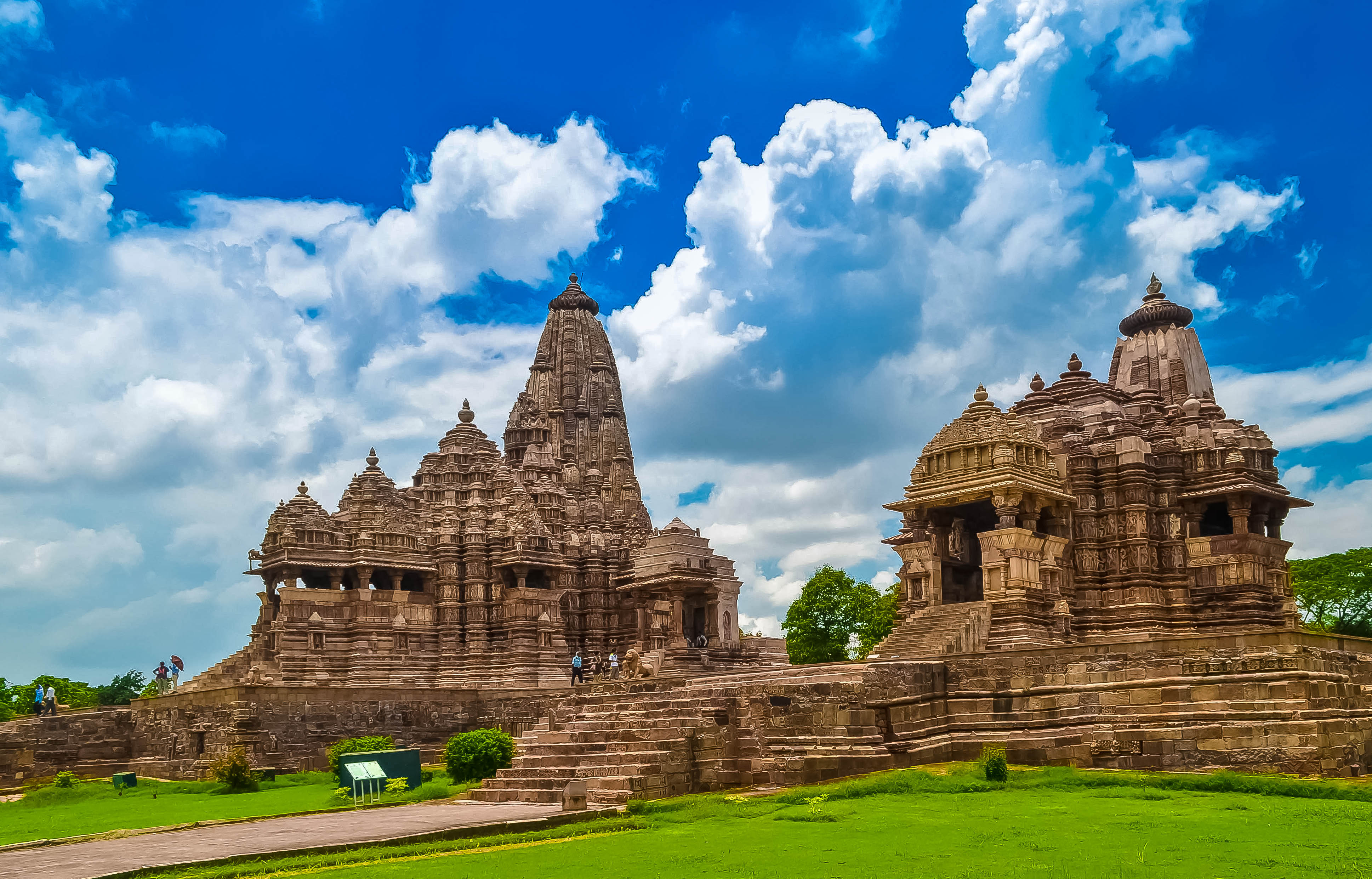
2. Khajuraho, Madhya Pradesh

Khajuraho Temples

Known for erotic sculptures and nagara-style architectural symbolism, the temples of Khajuraho are a unique culture heritage. The group of Hindu and Jain Temples were built between 950 to 1050 CE under the reign of the Chandella dynasty. A total of 85 Temples, the site is host to the ethereal annual Dance festival.

3. Hampi, Karnataka

Monuments at Hampi

A collection of heritage sites, Hampi was once part of the prosperous kingdom of Vijayanagar. A testimony of excellent Dravidian style of art and architecture, the Group of Monuments comprise of many wonders.

4. Ajanta Caves, Maharashtra

Dating back to around 2nd century BCE to 650 CE, Ajanta Caves are +beautiful masterpieces of 31 rock-cut Buddhist cave monuments, paintings and sculpture. The style of Ajanta art and architecture are incredible remnants of Indian classical art and architecture.

5. Ellora Caves, Maharashtra

A testimony to ancient Indian history, Ellora Caves are Indian-rock cut architecture. There are about 34 rock-cut temples and caves which can be dated to about 600 to 1000 AD. The excavated site consists of Charanandri Hills, Buddhist Hindu and Jain rock-cut temples, Viharas and Maths of 5th and 10th century.

6. Bodh Gaya, Bihar

The holy place where Lord Buddha attained enlightenment, Bodh Gaya is a religious place. After severe penance under the holy Bodhi Tree, the prince Siddhartha gained Enlightenment and became Gautam Buddha. The famous Mahabodhi Temple was established in the reign of Ashoka the Great in about approximately 250 BCE.

7. Sun Temple, Konark, Odisha

Konark Sun Temple

Dated to 13th-century, the  Sun Temple on the beach of Konark built by King Narasimhadeva I of the Eastern Ganga Dynasty in around AD 1250. Reflecting the grandeur of the traditional style of Kalinga Architecture, the temple in the shape of a gigantic chariot with carved stone wheel, pillars and walls and is led by six enormously carved horses.

8. Red Fort Complex, Delhi

A Mughal glory, the Red Fort was built by Emperor Shah Jahan when he shifted his capital from Agra to Delhi, or what was known as Shahjahanabad at that time. The red sandstone structure has a mix of Indo-Islamic, Timurid, Hindu and Persian forms of architecture, made up of red sandstone and houses several other smaller buildings such as the private pavilions, the Diwan-i-aam, the Diwan-i-Khas.

9. Sanchi, Madhya Pradesh

One of the oldest stone structures in India, the Buddhist Monuments at Sanchi is commissioned by emperor Ashoka in 3rd century BCE. Apart from the Sanchi stupa, several other structures exist here, such as monolithic pillars, temples, palaces and monasteries. It remained an important pilgrimage site for the Buddhists till about 12th century AD, after which the religion declined in popularity.

10. The Great Living Chola Temples, Tamil Nadu

Built during the rule of Chola Empire, the temples in South India- Brihadisvara Temple, the Temple at Gangaikonda Cholapuram and the Airavatesvara Temple are the most important of all of these temples. Testimony to the architectural splendour and beauty of Chola art, architecture and sculpture, these temples are living temples and the rituals and festivities which were observed by people thousands of years ago, are still held.


Harrappan City of Dholavira named among UNESCO World Heritage Sites in India

by

India's ancient civilization is one of teh world's oldest. The Indus Valley Civilization is kaleidoscopic variety of rich cultural heritage. Dholavira, the archaeological site of a Harappan-era city, received the UNESCO world heritage site. While Dholavira became the fourth site from Gujarat and 40th from India to make the list, it is the first site of the ancient Indus Valley Civilisation (IVC) in India to get the tag.

Dholavira is the fifth largest metropolis of IVC.  The site has a fortified citadel, a middle town and a lower town with walls made of sandstone or limestone instead of mud bricks in many other Harappan sites. A cascading series of water reservoirs, outer fortification, two multi-purpose grounds — one of which was used for festivities and as a marketplace — nine gates with unique designs, and funerary architecture featuring tumulus — hemispherical structures like the Buddhist Stupas— as some of the unique features of the Dholavira site. Amidst the ruins are found the origin of Buddhist stupa. While unlike graves at other IVC sites, no mortal remains of humans have been discovered at Dholavira. The memorials at the site contain no bones or ashes but offerings of precious stones, etc. add a new dimension to the personality of the Harappans.

The remains of a copper smelter indicate of Harappans, who lived in Dholavira, knew metallurgy. It is believed that traders of Dholavira used to source copper ore from present-day Rajasthan and Oman and UAE and export finished products. It was also a hub of manufacturing jewellery made of shells and semi-precious stones, like agate and used to export timber. There are beads peculiar to the Harappan workmanship have been found in the royal graves of Mesopotamia, indicating Dholavira used to trade with the Mesopotamians. Its decline also coincided with the collapse of Mesopotamia, indicating the integration of economies. Harappans, who were maritime people, lost a huge market, affecting the local mining, manufacturing, marketing and export businesses once Mesopotamia fell.

It is believed that since 2000 BC, Dholavira entered a phase of severe aridity due to climate change and rivers like Saraswati drying up. Because of a drought-like situation, people started migrating toward the Ganges valley or towards south Gujarat and further beyond in Maharashtra. In those times, the Great Rann of Kutch, which surrounds the Khadir island on which Dholavira is located, used to be navigable, but the sea receded gradually and the Rann became a mudflat.

Though it was excavated recently, the Dholavira site has remained free from encroachment in historical periods as well as in the modern era. UNESCO termed Dholavira as one of the most remarkable and well-preserved urban settlements in South Asia dating from the 3rd to mid-2nd millennium BCE (Before Common Era). Since the excavation at the site, the ASI has developed a museum here. Dholavira, a village with a population of around 2,000, is the nearest human settlement at present. Near the ancient city is a fossil park where wood fossils are preserved.


Rudreshwara Ramappa Temple joins the elite list of UNESCO World Heritage Sites in India

by

India is home to 39 UNESCO listed World Heritage Sites. Rudreshwara, popularly known as Ramappa Temple is the newest entry to this elite list. The 800-year-old temple is located in state of Telangana, the village of Palampet, approximately 200km north-east of Hyderabad.

Ramappa Temple

A legacy of Kakatiyan period (1123–1323 CE), the temple and the walled complex was built during the rule of Rudradeva and Recharla Rudra. Ramalingeswara Swamy is the presiding deity, another form of Lord Shiva of Hinduism. The temple also goes by the name of Ramappa temple, named after the sculptor who executed the masterpiece in 40 years.

A marvel of sandstone, the temple stand upon a 6-feet high star-shaped platform with walls, pillars and ceilings adorned with intricate carvings. The temple features ornamented beams and pillars of carved granite and dolerite. The distinctive feature is the pyramidal Vimana (horizontally stepped tower) made of light-weight porous bricks, also ‘floating bricks’, which reduce the structural weight of the roof. Inside the temple and the walled complex are displayed artistic sculptures that illustrate regional dance customs and Kakatiyan culture.

The temple’s location at the foothills of a forested area amidst agricultural fields, close to the shores of the Ramappa Cheruvu, a Kakatiya-built water reservoir is planned according to ancient wisdom. The choice of setting for the edifice follows the ideology and practice sanctioned in dharmic texts that temples are to be constructed to form an integral part of a natural setting, including hills, forests, springs, streams, lakes, catchment areas, and agricultural lands.

Ramappa Temple

The sculptural art and decoration specific to the time and Kakatiyan Empire have an outstanding universal value. The distinct style of Kakatiyas for the gateways to temple complexes, unique only to this region, confirm the highly evolved proportions of aesthetics in temple and town gateways in South India.

European merchants and travellers were mesmerized by the beauty of the temple and one such traveller had remarked that the temple was the "brightest star in the galaxy of medieval temples of the Deccan".


Introducing India in Brief: The Golden Triangle Tours

by

India in brief is the key to quench travelust. For centuries, the vast history and cultural legacy has brought visitors from all over the world. Of the many interesting places and routes, the Golden Triangle is the most popular circuit that covers the three cities of Delhi, Agra and Jaipur. In short, this tour covers the cities with the most colourful of history and culture that too in a short span of time. In fact, the Golden Triangle Tours in India is rightly called the brief introduction of India’s charm. This journey covers breath-taking architectural wonders, forts, palaces, temples, some world heritage sites including the Taj Mahal.

The Golden Triangle Tours in India

Golden Triangle India

The Golden Triangle is the name of the route that is shaped as a triangle with Delhi, Jaipur and Agra as the points. The entire perimeter of the Golden Triangle is almost 720 kilometres. Each of the cities are approximately 4-5 hours by road while there are also options of luxury and comfortable trains in India. Start the tour with arrival in the capital city, Delhi. The metropolis has easy and myriad options of international flights. Also, the best of hotels and other tourist facilities are accessible. Besides, the sights and experiences including the delicious food and shopping are simply the best in India.

Golden Triangle Tour Packages India range between 4-7 days where the cities of Delhi, Agra and Jaipur are covered and explored extensively.

Delhi – The City of Cities

Delhi serves as the launch of the itinerary. It is known as the ‘’City of Cities”. Explore layers of history of centuries and eras along with amazing specimens of architecture. The city combines both the old and the new.

Travel Highlights of Delhi

Marvel at the World Heritage Sites Delhi that comprise the Red Fort, Humayun's Tomb, Qutb Comple, along with other fascinating sights. Jama Masjid and Chandni Chowk in Old Delhi, Jantar Mantar, Purana Qila, Birla Temple, Akshardham Temple, Lotus Temple, etc. are some unmissable attractions. Besides, the street food and shopping are equally fun.

Agra – The Mughal City

The second stop of the Golden Triangle is the city of Agra. Almost 250 kilometers from Delhi, to reach by road it takes 4 hrs through Taj Express Highway or Yamuna Expressway. High speed trains- Gatimaan Express, Shatabdi Express, etc. ply on the route allowing a comfortable and brief ride. Known as the ‘City of Taj’ Agra was the erstwhile capital of the Mughal Empire and till date retains the splendor of its time.

Travel Highlights of Agra

The Taj Mahal is one of the most recognized monuments of the world. The white-marble mausoleum is one of the ‘Wonders of the World’ and a World Heritage Site along with the red-sandstone Agra Fort. The Itmad-ud-Daulah too is an impressive beauty to marvel at.

The abandoned Mughal City of Fatehpur Sikri too is among the popular tourist attractions of the city. The World Heritage Site has many treasures in its walled city, each a magnificent spectacle.

Here too, Mughal dishes and sweets tempt you taste buds as does the shopping treasure of marble creations, handcrafted arts, etc.

Jaipur

The last stretch of the Golden triangle tour India itinerary, move to the most fascinating cities of the erstwhile Rajputana, the capital city, Jaipur. Almost 240 kilometres from Agra, the last point of the tour is equally interesting. Known as the “Pink City’, the former royal kingdom of Rajputana is home to many splendid forts, palaces and architecture along with pampering hospitality at the lavish heritage hotels. Sightseeing include 16th Century hill Amer Fort, 17th Century City Palace, the honeycomb-designed Hawa Mahal, Jantar Mantar- the royal observatory granted the status of UNESCO World Heritage Site. The sights of Rajputana please your eyes but it’s the mouth-watering food that satiate your taste buds. Folk performances make the evenings fun while shopping is a riot of colors, handcrafted clothes, jewellery and souvenirs.

Golden Triangle tour packages offer a comprehensive plan to enjoy the alluring charms of India.


Monsoon Getaways in India

by

India welcomes the monsoon. Every year, the rainfall is a blessing to the country. The entire length and the breadth of India have a special feeling for the monsoon. While the Indian monsoon is not traditionally a favored time to visit, it is undoubtedly an experience of a lifetime. Exploring India in the monsoon is a fresh breath of air, one that weaves magic. And. When it comes to the best places to visit in the monsoon in India, you have a wide range of destinations to choose from. The rains transform the beauty of the hills with verdant greenery, bring life to the waterfalls, the lakes, and backwaters flood with shimmering water, and even the parched desert is a bliss to discover.

To help you plan your holiday with the best monsoon getaways in India:

1. Ladakh

Pangong Lake in Ladakh

If you want to give the rains a break and yet plan your holiday, Ladakh is one of the best places to visit in monsoon in India. While the entire country is getting drenched, Ladakh is rainless. From June to September, the region enjoys throngs of tourists. The 'Land of High Passes'  as Ladakh is called, is a land of unique beauty nestled in the high altitude region in the Himalayas. The weather in the monsoon is bearable as the snows have melted. It is the best time to explore the colourful Buddhist Monasteries and the many vibrant celebrations, try out the adventure sports including trekking, river rafting, camping and even motor biking, and enjoy the treasures of Ladakh.

2. Goa

Goa in Monsoon

There is no second thought about the fact that Goa is a great place to visit in India. And, when it is the monsoon, it is an absolute delight. Yes, the best party destination in India also happens to be one of the top monsoon getaways. Though the sun is amiss, there is still the sea. It is a calming experience to stroll on the beaches. Besides, there are the thriving marketplaces, the churches, forts, and not to forget the roaring Dudhsagar Falls. It is compelling to enjoy the picturesque views from the top of the Aguada Fort. A pampering treat for an Ayurveda break or a yoga holiday suits the monsoon.

3. Shillong

Synonymous with stunning rains, Shillong is a treat to the senses and the soul. Bestowed with paradisiacal beauty, Shillong is rightfully known as the ‘Scotland of the East’. The monsoon season in Shillong turns this place into a mystical beauty, straight out of a utopian novel. The upper Shillong Forest and Umiam Lake are two of the most stunning places to visit in the monsoon, when in Shillong.

4. Alleppey

Alleppey backwaters in monsoon

Alleppey in Kerala looks spectacular in the monsoons. Lush green fields and hills with beautiful rivers and backwaters make this place a real treat. It’s truly blissful to enjoy a boat ride in Alleppey through the backwaters, canals, and lakes with the refreshing misty rain caressing you. The abundance of natural beauty here will refresh your mind and soul, and monsoons are also perfect for Ayurveda, which is very popular here. The closest airport is Cochin, while you can also ride a train to Alleppey.

5. Orccha

A historical town in Madhya Pradesh turns into a golden delight during the monsoons. Since it remains dry for most of the year in the Malwa Plateau, the rain really brings out the liveliness and beauty of the place. The Betwa River running beside the town flows full of life, and the town gets painted in vibrant greens, which makes it look serene and romantic. The historical monuments, temples, buildings, and forts return to their old glory after the first shower, and the picturesque hilly backdrop truly looks like a living painting. The drive to the town is itself very soothing and enjoyable. 

6. Udaipur

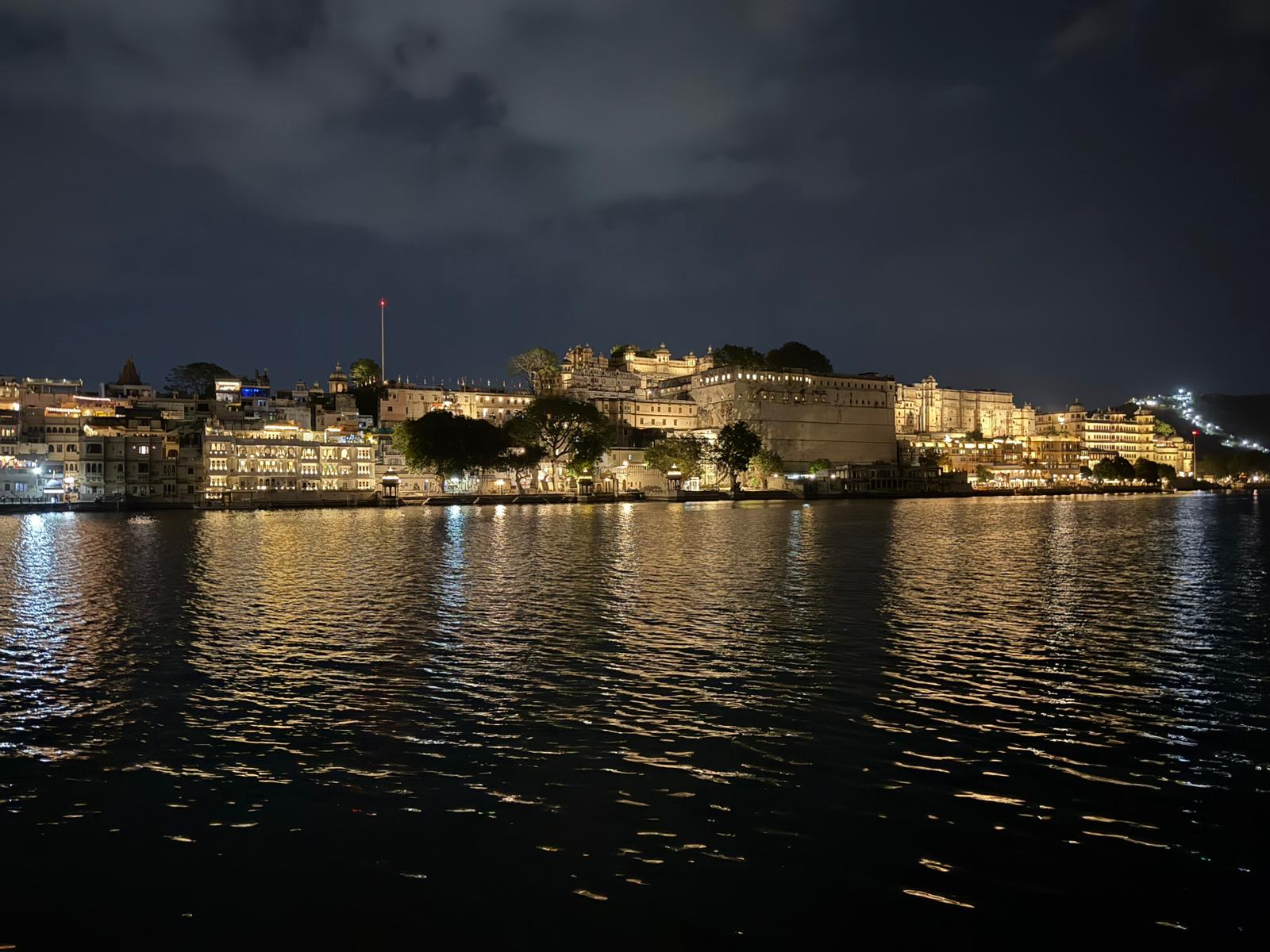
Udaipur in monsoon

Reckoned to be one of the most romantic cities in India, Udaipur enjoys a pleasant monsoon season as well. The rains in the monsoon enhance the beauty and charm of this already super scenic destination. The landscape that turns greener, along with the pristine lakes and palaces offer breathtaking views of the city during the monsoon season. And since the weather remains pleasant, it becomes easier to visit different places in Udaipur as well, so it is not only the nature but the royal architecture that will enchant one during the rainy season here.

7. Periyar

Periyar in monsoon

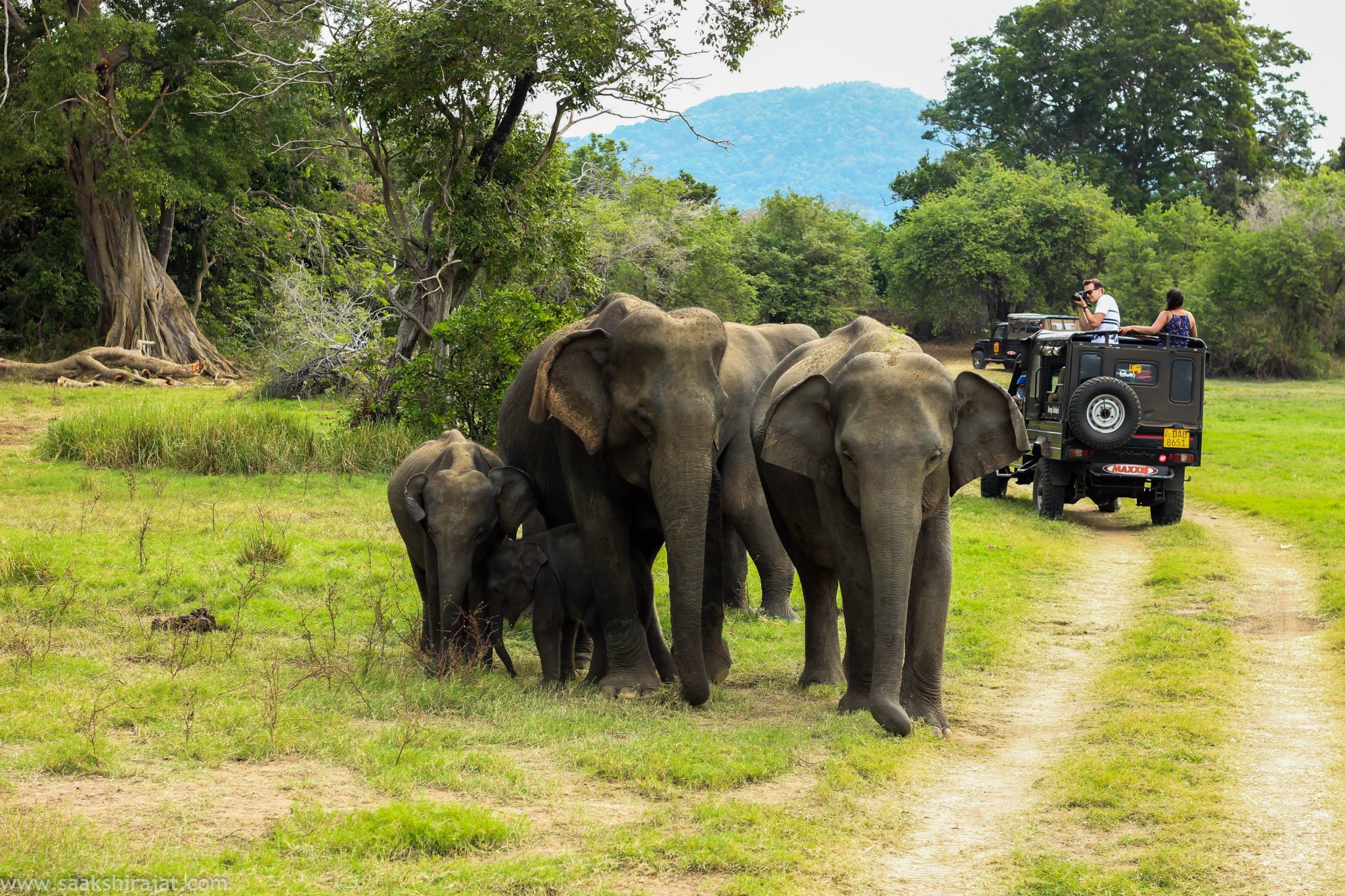
Periyar is one of the most well-known national parks in southern India that extends around the banks of a vast artificial lake. This place among the list of places to visit in India in monsoon, is recommended to visit for people who love to explore wildlife safaris in india during the best possible weather in the country. known for its beautiful elephants, and you can take the 30-minute elephant rides through the jungle.

So, if you are making plans to visit India, the monsoon is a good time. There is a lot to see, do, and experience. Savor the rains and collect memories of a lifetime.