India

A Tale of Two Safaris: Africa and India

by

I have always been fascinated by the idea of a safari, the idea of what might appear around the next bend, the sudden silence of the wilderness and the possibility of seeing an animal in its natural habitat. Perhaps this is what makes the safari such a compelling journey – you never know what awaits you.

The word safari comes from the Swahili word for ‘journey’ and has become synonymous with exploring the wilderness and viewing wildlife in its natural habitat. Today, we tend to associate this word more strongly with Africa and India, which can sometimes give the impression that the safari experiences are much the same in both these destinations.      

But the more I learn about safaris in these two parts of the world, the more amused I get just how different they can be. While there are parallels, the reality is quite different. India and Africa offer two distinctively different experiences shaped by their landscape, wildlife, conservation practices and the way visitors explore their national parks and reserves.

The Terrain: Open Savannahs vs. Dense Forests

The landscape is perhaps the first thing that sets an African safari from an Indian safari. The vast open savannahs and floodplains provide uninterrupted views of the wilderness in an African safari. Herds of elephants and buffalo can often be seen from a considerable distance, thus defining the classic African safari experiences.

The Indian picture is different. Its wildlife reserves are characterized by dense forests, jungles, grasslands, lakes and rivers, thus concealing the wildlife as well as revealing it. A rustle in the undergrowth or a pugmark can be enough to set the heart racing.

I find this contrast fascinating. While Africa often puts the wilderness on display, India makes you search for it.

The Wildlife: Abundant vs. Elusive

Africa is renowned for its abundance of wildlife and the ease with which animals can be observed in the open. One of the defining features of an African safari is the presence of large herds of animals in masses with the possibility of wildlife sightings throughout the day.

In India wildlife can be considerably more elusive. It is quite possible to spend several hours exploring a national park or a tiger reserve without seeing a tiger or a leopard. Yet, to me, this is part of what makes the Indian safari so compelling. The anticipation builds with every turn and when a tiger finally emerges from the forest even for just a few seconds, the encounter can feel all the more extraordinary.

The Animal: Africa’s Big Five vs. India’s Icons

For many travelers, Africa’s wildlife is described by the legendary Big Five: Lion, Elephant, Rhinoceros, Buffalo and Leopard. Seeing these magnificent animals roaming freely across the African wilderness is the classic sight of an African safari.

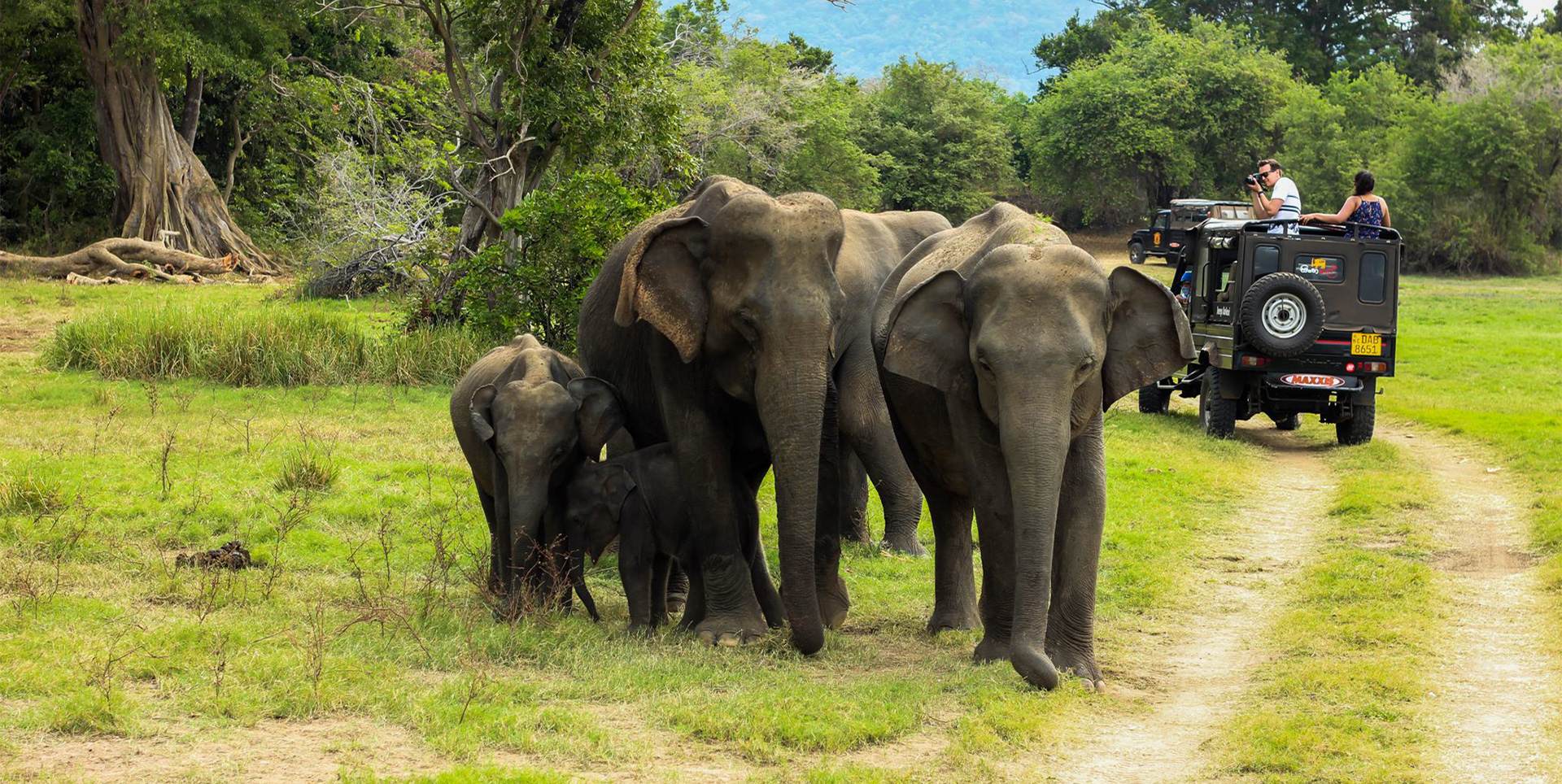
India has its own iconic wildlife. The majestic Bengal Tiger, Leopards, One-Horned Rhinoceros, Asiatic Elephants, Sloth Bears, Wild Dogs and several species of Deer are among the stars of an Indian safari. Depending on the region, it is also possible to encounter Asiatic lions. India is a birdwatcher’s paradise, with specialist birding experience available in many national parks.
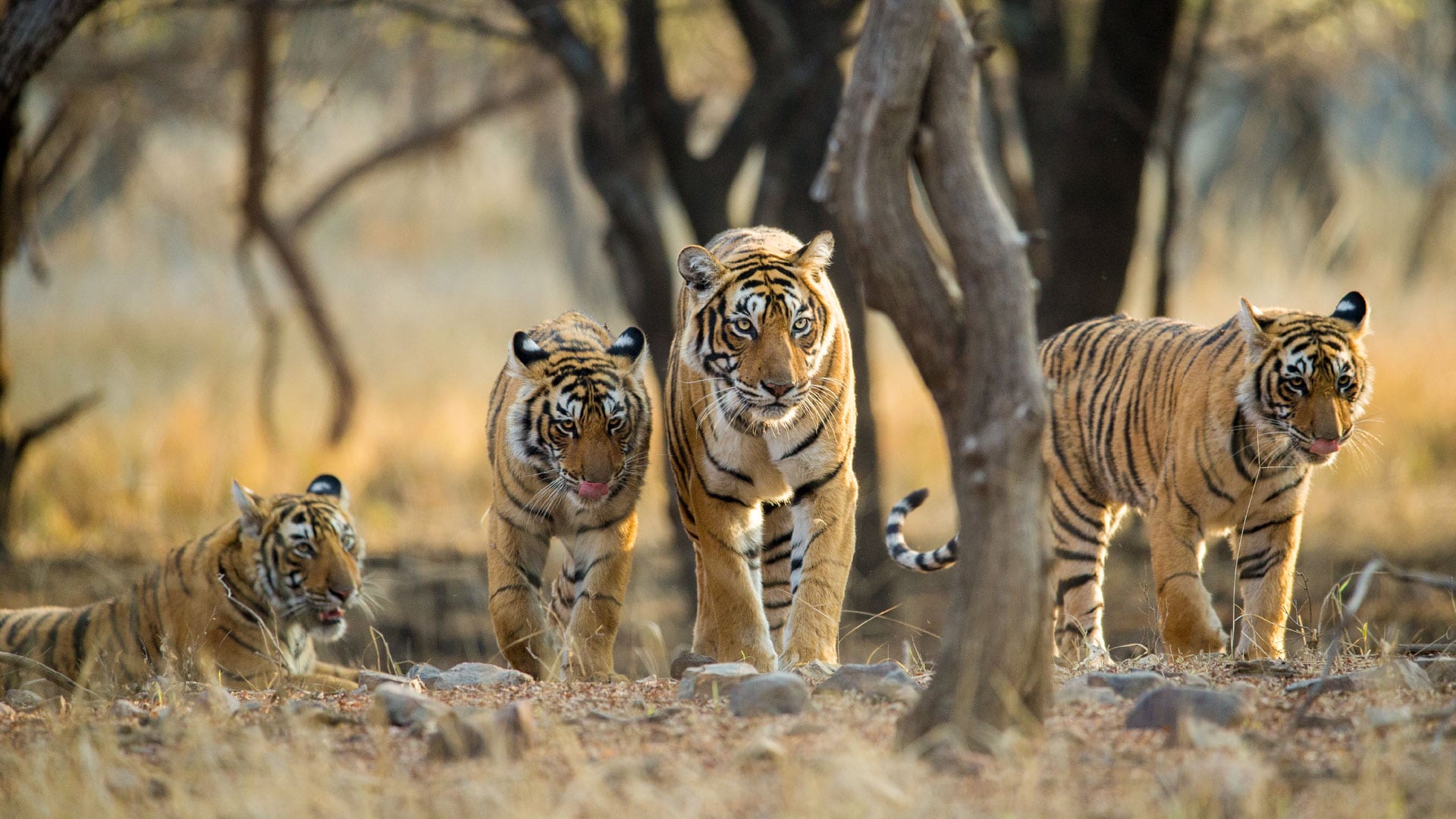
Luxury tiger safaris in India

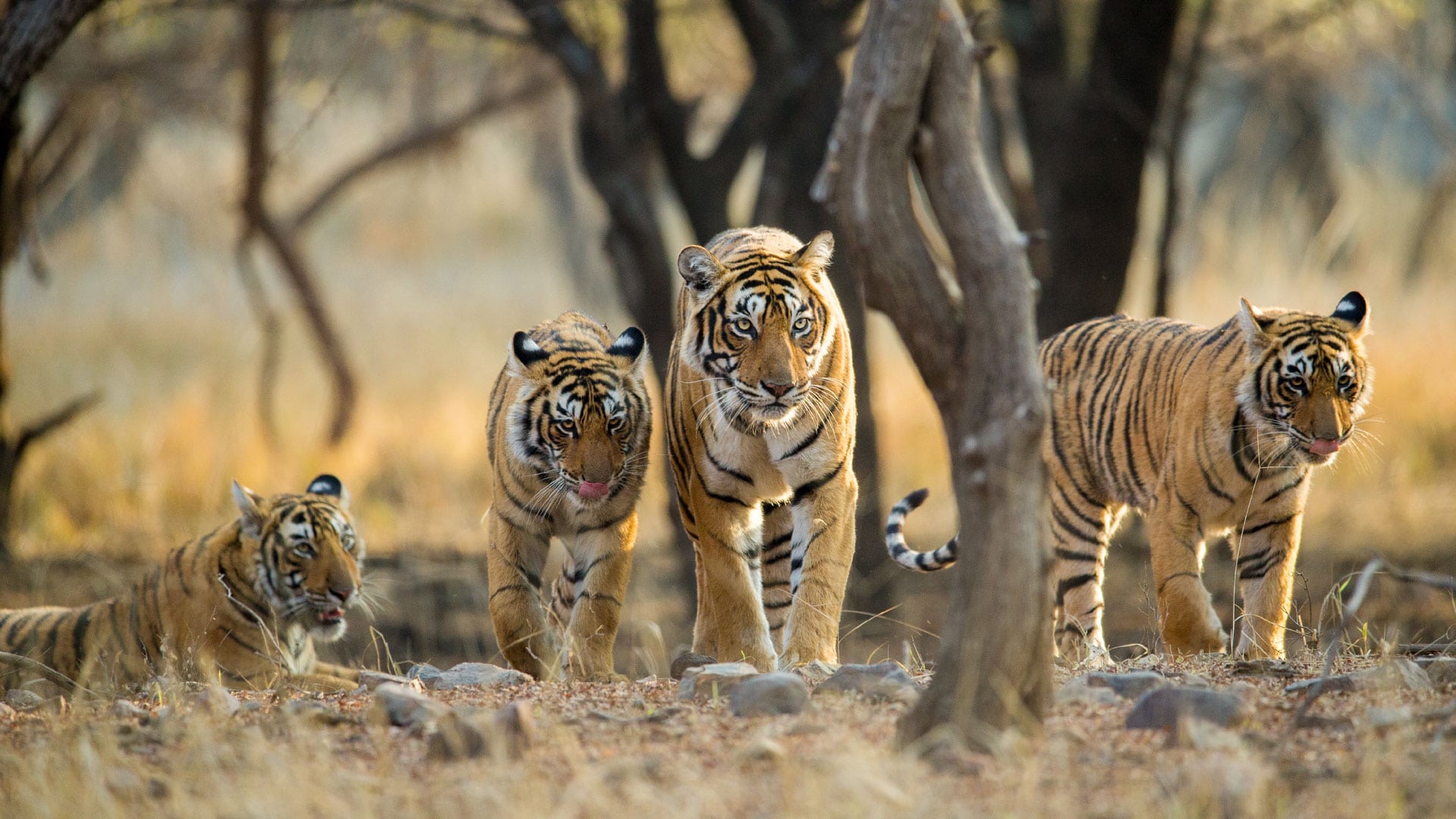
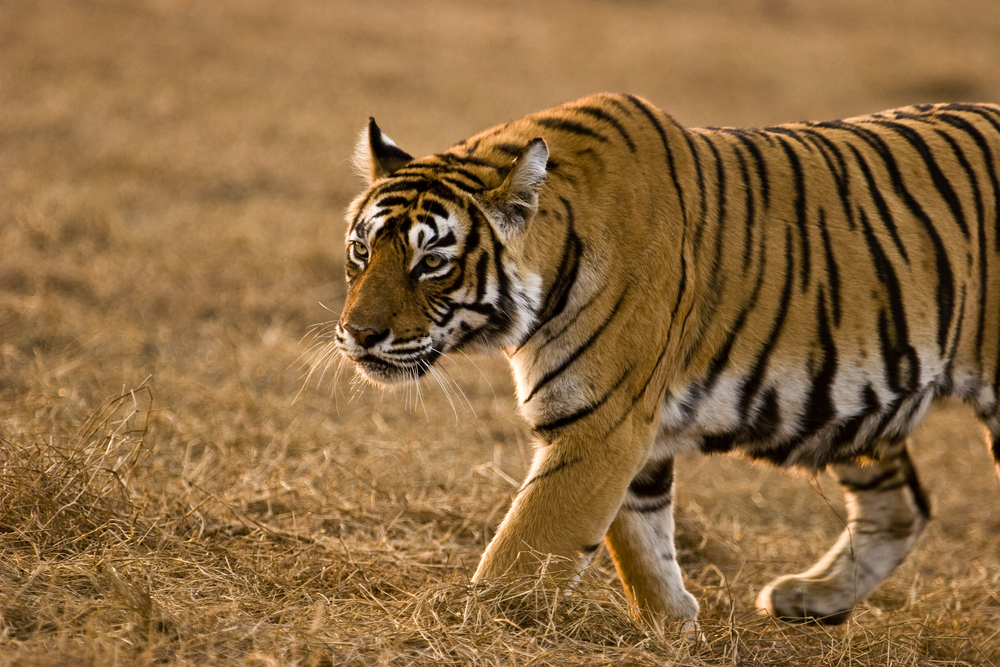
The tiger is the undisputed star of any Indian safari, the more I explore this subject, the more I realize that there is far more to discover. By combining different parks and states, travelers can experience an extraordinary diversity of wildlife.

The Safari Experience: Vast Wilderness vs. Regulated Exploration

The size and scale of the reserves also influence how a safari experience unfolds. Most of the African safari reserves are vast, allowing for longer game drives across expansive wilderness areas. In many destinations, night safaris are also available, giving visitors a chance to see animals that become active after sunset and are rarely seen during the daytime.

Indian safaris are more systemized. The National Parks are divided into ‘core and buffer zones’, with restricted access to the core zones. The safaris have designated timing along permitted routes, thus creating a controlled but more focused wildlife experience.

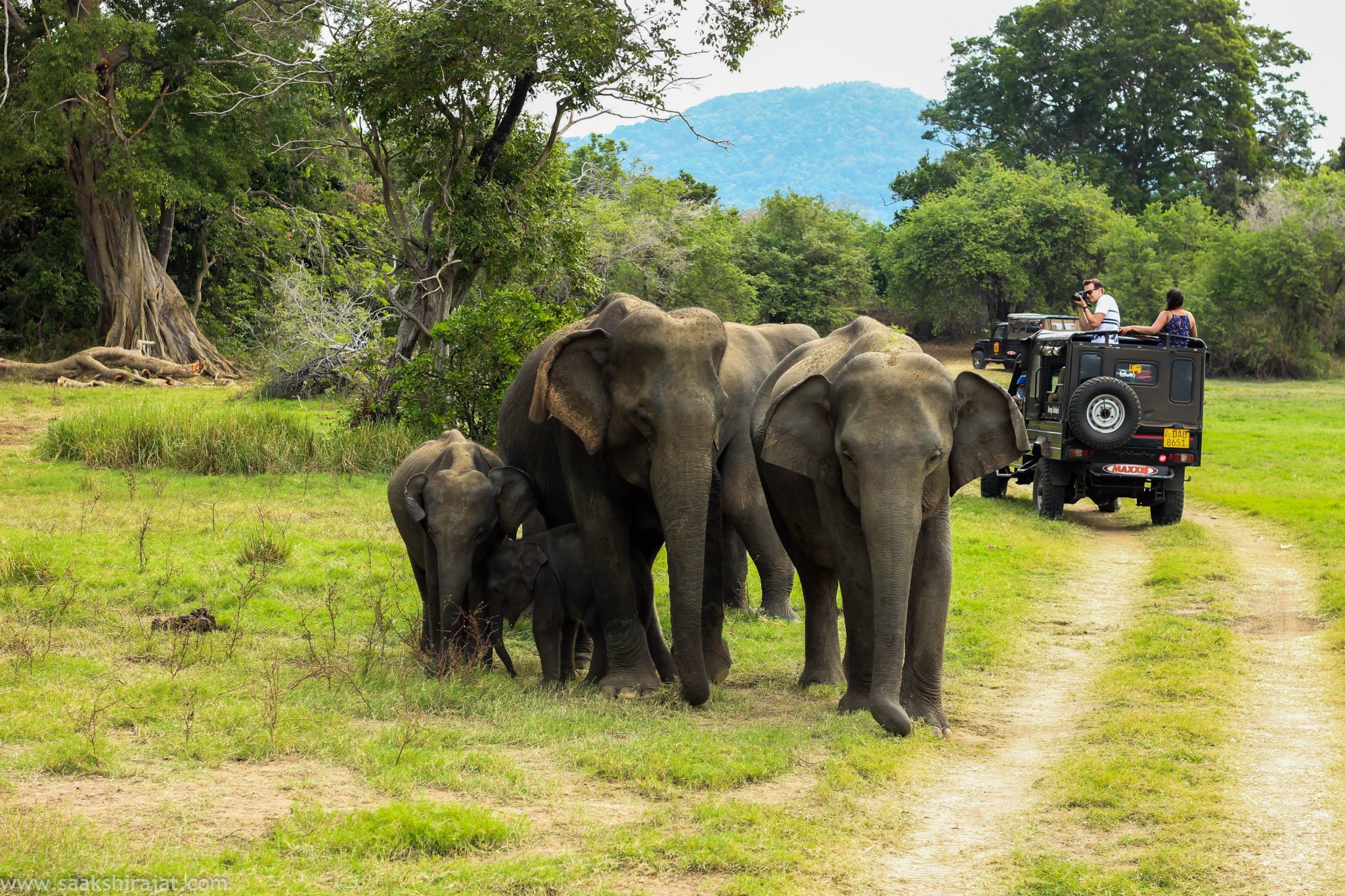
Even the vehicles reflect difference in terrain. While large Land Rovers and Land Cruisers are common across Africa, smaller agile jeeps are a common sight at the Indian safari. Depending on the park and local regulations, a naturalist or a forest guide may accompany visitors.

Walking safaris are also possible in India, however, they are conducted with a forest guide for safety. Unlike Africa, night drives are restricted only to designated buffer zone areas, offering a completely different perspective of forest after the sunset.

Accommodation: Camps in the Wilderness vs Lodges outside the Park

Accommodation is another difference that I find interesting. In Africa, there is a wide choice of camps and lodges within or close to the reserves, allowing visitors to feel immersed in the wilderness even after the day safari is over.

In India, all accommodation is situated outside the national parks or tiger reserves, often in the surrounding areas. The day begins with a journey from the lodge towards the park gates, with the anticipation building as we inch closer to the forest. This creates rhythm to the experience.

An African safari feels like an extended immersion in the wilderness, while an Indian safari has a distinct journey into and out of the forest.

Two Safaris, Two Very Different Journeys

The more I learn about safaris in Africa and India, the clearer it becomes that they should not be viewed as competing experiences. They simply offer two very different ways of experiencing the wilderness.

While Africa is about open landscapes, abundant wildlife and long drives across vast wilderness, India is about patience, anticipation and the thrill of discovering wildlife within the dense forests.

For me, this is what makes the comparison so interesting. Whether it is the sight of elephants crossing the African landscapes or the hope of a tiger emerging from the Indian jungle, the essence of a safari remains the same a journey into the unknown where nature sets the agenda.


By Daxta Pandey August 2026

Experience Royal Life at the Heritage Hotels in Rajasthan

by

India has a vast history of royalty, their incredible lives and even more magnificent palaces. Rajasthan, the land of royals is the well-renowned seat of Rajputana, warrior dynasties that ruled over their kingdoms. Located in western India, the land is depicted by some of the most amazing architectures. While many have been kept open for visitors to explore many are transformed into heritage hotels in Rajasthan. These wonderful luxury properties to date continues to amaze with the sheer display of splendor and world-class facilities.

Heritage hotels are not just the pride of Rajasthan but also some of the best stays in India. They exhibit the immaculate craftsmanship of the bygone era and Rajputana’s penchant for fine architecture.

Next time you book a Rajasthan package, make sure you stay at one of these heritage hotels and experience the best of hospitality.

1. Umaid Bhawan Palace, Jodhpur

Savor the legendary Umaid Bhawan Palace at its glorious best. The exceptional hospitality and legendary ensembles put it at the top of best heritage hotels in Rajasthan. The record book says that it’s the world’s 6th largest private residence.

What’s special: Dinner at Risala serving Continental & Indian Fusion, heritage walks, city tour, indoor and outdoor recreational facilities

2. Taj Lake Palace, Udaipur

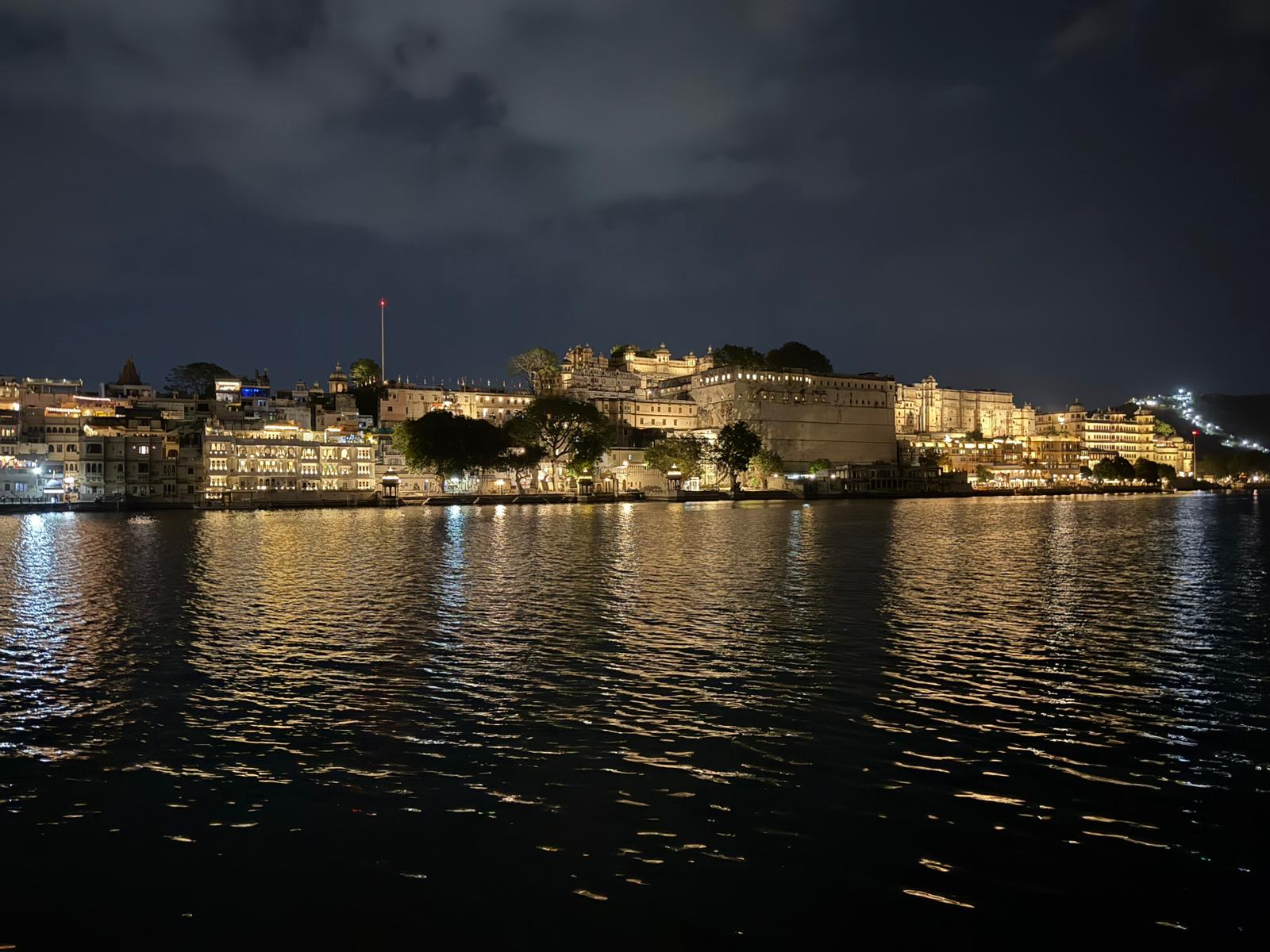
The perfect location of the palace encircled by Lake Pichola along with City Palace, Aravalli Hills, Machla Magra Hills and Jag Mandir makes a spellbinding backdrop for those dining at the top of the hotel’s terrace.

Fairy-tale weddings, fascinating honeymoons, and rich traditions of the past make the Taj Lake Palace an enthralling grandeur.

What’s special: Royal welcome at the Badi Pal Jetty, Jiva boat spa in lake Pichola, and heritage walks

3. Rambagh Palace, Jaipur

A glorious past, vibrant present, and a promising future make Rambagh Palace a proud heritage hotel in Jaipur, which has stood at par with the grace of Rajasthan.

Rambagh Palace has remained a testimony to numerous transitions over the ages. It was first the residence of queen’s handmaiden, then became a guesthouse and hunting lodge for the royalties. In the end, it belonged to Maharaja Sawai Man Singh II.

What’s special: Heritage walks, grand welcome, and spa

4. Rohetgarh, Jodhpur

Set in the midst of rural surroundings, Rohet Garh is a heritage hotel in Rajasthan located on the banks of a lake. Migrating birds keep frequenting the oasis and turn it into an enlivening retreat. Get dazzled by the splendid hues and decor of the kingly rooms and suites.

What’s special: Village safaris, royal picnics, bird watching, and culinary workshops

5. Samode Palace, Jaipur

From being a humble host to celebrities, royalties, and artists to presenting an ideal retreat for avid travelers, Samode Palace has excelled in giving its stamp of authority with panache.

Speaking of design aesthetics, walls of the palace are adorned with ancient murals, which can be felt as you run your fingers across the contours on the wall. They are ably complemented by the antiques from days of golden past. Be it experiencing a soul-soothing massage or soaking the charm of Jaipur, Samode Palace makes for one of the most prominent choice on the list of most sought after heritage hotels in Rajasthan.

What’s special: Mughal garden at Samode Bagh, horse & camel safaris, special tours to sand dunes, and hot air balloon

6. The Lalit Laxmi Vilas Palace, Udaipur

Sitting atop a hill in the heart of Udaipur, the Lalit Laxmi Vilas Palace is a notable heritage hotel in Rajasthan. It has 55 rooms and suites equipped with state-of-the-art facilities and offering gorgeous city view.

The hotel banks on the traditional aesthetics of Rajasthan and also serves its patrons with horse ride, puppet show, and royal salute..

What’s special: Camel & horse rides, and puppet show

7. Neemrana Fort Palace, Alwar

Located on the Delhi-Jaipur highway, Neemrana Fort Palace acts as an ideal weekend getaway from Delhi. It is also a good venue to organize, feasts, celebrations, and conferences. The 15th-century heritage hotel in Alwar boasts of hanging gardens, an Ayurvedic spa, shimmering outdoor pools, and zip-line for adventure lovers.

Defined by beauty and glorious history of Alwar, Neemrana is a royal retreat that must be experienced at least once. Plan a stay to experience the best of royal Rajasthan.

What’s special: Spa & pool, zipping, step well, vintage car ride, and camel ride

8. Fort Rajwada, Jaisalmer

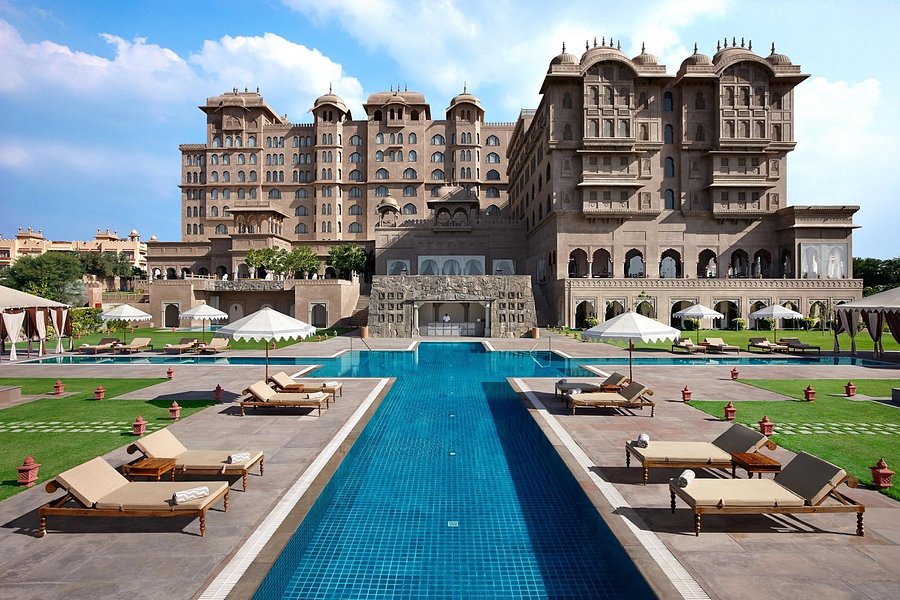
Fort Rajwada is the proud bearer of the baton of charm and glory that has been synonymous with Jaisalmer since time unknown. One of the most elegant heritage hotels in Rajasthan, it brings you the imperial opulence, tranquil solitude of the desert and the adventure of dunes.

A gorgeous mix of the modern and the classical, which is widely eminent in the neutral shades of sandstones that make the palace, poolside barbecue, and rooftop view of the sunset.

What’s special: Camel & jeep safari, city tours

9. Ras Devigarh, Delwara

One of the best luxury hotels in Rajasthan, India, RAAS Devigarh has established a name for itself. What once used to be the residence of the rules of Delwara in the 18th century is now a luxury resorts in India where people come to have a pampering holiday. Along with luxurious amenities, the hotel has crafted curated experiences for its guests to make their holiday as unique as possible.

What’s special: Spa, Pool Deck, Restaurants

10. Deogarh Mahal, Rajsamand

Once inhabited by the rulers of Deogarh Family, the affluent residence has now been converted into a heritage hotel. The opulent palace pampers its guests with luxury amenities. It is also a popular venue for weddings and events

What’s special: Restaurant, pools, jacuzzi, Ayurvedic massage


The Best Wildlife Safari Season in India 2026

by

India is home to fabulous wildlife. From roaring Royal Bengal Tigers to Asiatic Lions, herds of mighty Asian Elephants to one-horned rhinoceros, deer, gaur, flocks of birds, and even ones visiting from distant lands, India is blessed with wildlife. Besides coming close to the wilderness, wildlife tours in India include staying at jungle resorts in India, jeep safaris, elephant rides, nature walks with experts, and other incredible experiences. India safari tours are traditionally between October and June, except during the monsoon season when most of the wildlife sanctuaries and national parks remain closed. Even in the wildlife safari season, there is a best time for the thrilling adventure.

Elephant Safaris in India

When making plans for a luxury wildlife holiday in India, here is important to understand the best time and suitable weather conditions.

Tiger watching between November and February, the mornings can be very cold, so bring hats and gloves. A hot water bottle, even. Although be prepared to take off layers later in the day, when temperatures go up to the mid-twenties.

The opposite is the case if you go in search of tigers between March and June, when the temperatures can hit mid-40s centigrade. You need to be very well prepared and know that you can stand such heat for long periods of the day.

Most national parks in India close in July, August, September, and through until about mid-October for the monsoon season, so always check with your tour operator.

Periyar National Park, however, stays open all year round. The most popular time to visit is during the cooler, drier months from October to February. It is particularly vibrant just after the monsoon, and there are fewer people. Periyar is always packed at weekends, however, so try to stick to weekdays.

The best time for viewing elephants in Kerala is during the hotter months of March and April, when they spend the most time in the water.

The only time to see a snow leopard in Ladakh is between November and March, when they come down from the snow-covered peaks in search of food. February and March are a bit more accessible for visitors, though, so best to travel during those times.

Book Your Adventure Now!


In Gujarat, Gir National Park is closed from mid-June to mid-October for the monsoon season. November until March is a more bearable climate-wise, but for top animal watching, April and May are best, but boiling. However, witnessing the Rann of Kutch Desert fill up during monsoon season is a sight to behold, too.

Asiatic Lions Safari in India

Book Your Adventure Now!


National parks can be packed out during Indian public holidays and festivals, and there are many of them. So, do check in advance if you are going to clash with one. Which would be fun, but it will be busy. The big ones include 26th January for Republic Day, and Diwali, which falls in October or November.

In many of the parks, the vegetation is high after the monsoon around mid-October, which means that wildlife can be harder to spot. However, the landscapes look stunning during this time.

For bird watching in Northern India, October to May is a good time for resident and migratory species, post and pre-monsoon. In Kerala, March to May is blazing hot.

Discover the Most Adventurous Best Wildlife Tour Packages in India.


Top Wildlife Tour Packages in India – Request Your Itinerary Now!


The Best Budget Luxury Stays in India

by

India is a welcoming country and has been for centuries. And, even in today’s era it is as hospitable as it was in the past. Travellers from all over the world are made to feel right at home in this incredible country. Making the country special is the fact that it has a wide range of options of stay. Be it the vibrant cities, tourist hotspots, scenic beaches, remote hill stations, offbeat places or any place you would like to explore in India, there are always options.

Luxury hotels in India

From 5-star hotels, heritage hotels, luxury properties, and boutique hotels, guests have comfortable accommodations equipped with world-class amenities. And, even with this wide variety, the choices are very pocket-friendly. In fact, seven of the world’s 10 cities with the least expensive five-star hotels are in India. This affordable luxury is one of the reasons India is a hot favorite among luxury-seeking travellers.

Here are the cities in India with the most affordable luxury stays.

Chennai

Luxury hotels in Chennai

Chennai is the least expensive city for a five-star stay in the world, the results declared, with the starting price of an upscale hotel room at GBP34/ INR3,530 per night. The city has some terrific business hotels, with several top-voted hotel restaurants at the Top Restaurant Awards. There’s a lot to see, and if you have more time on your hands, Chennai also has many sweet deals from farmstays to quick getaways.

The Best Options for staying in Chennai: Radha Regent, Taj Coromandel, The Leela, The Park

Bengaluru

Luxury hotels in Bengaluru

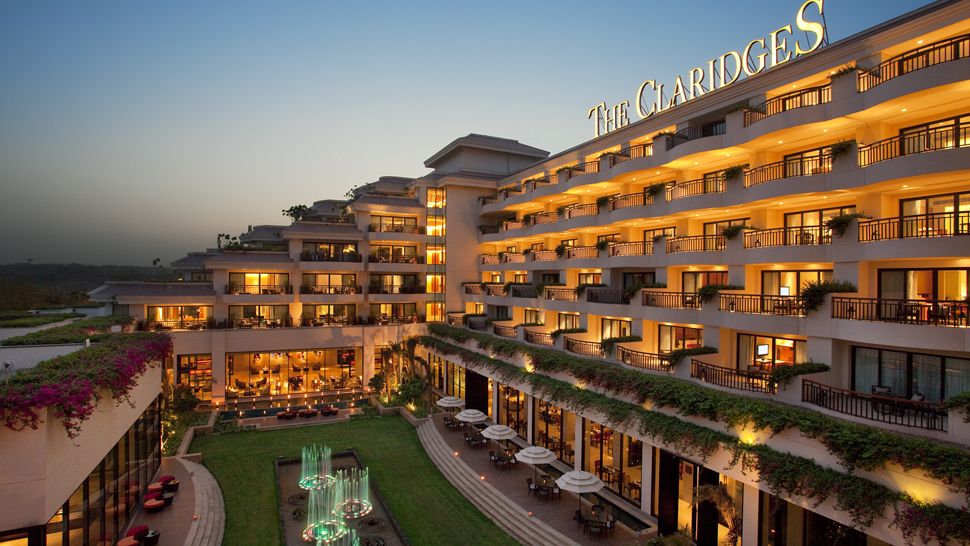
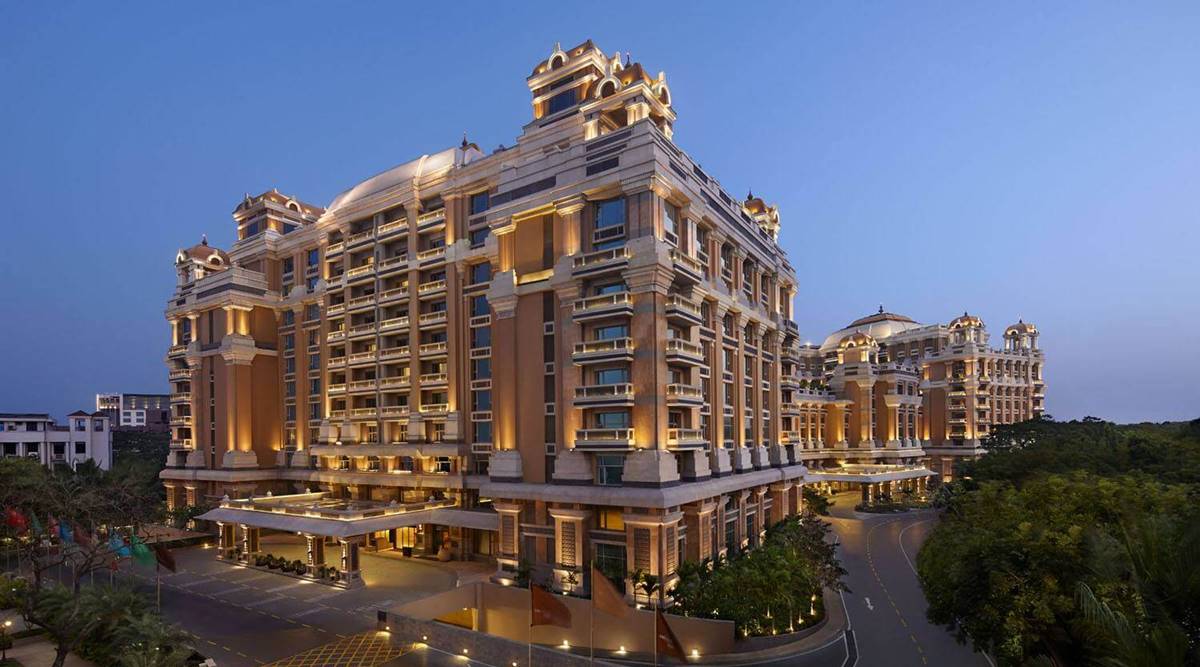
Bengaluru nabs the third spot. The baseline for a five-star stay is the same in both cities, and about Rs1,000 more than Chennai, at GBP41/ INR4,260. India’s IT hub has super business hotels of course, many top-voted restaurants. (Incidentally, ITC Windsor recently became the world’s first hotel to receive the LEED Zero Carbon Certification.) Plus for those getting out of the city, there are amazing homestays, wonderfully offbeat getaways nearby, and even more great stays to consider if other South Indian cities are on your itinerary.

The Best Options for stay in Bengaluru: Hotel Regaalis, Southern Star, Taj MG Road, The, Leela Palace, The Park, Villa Pottipatti

Agra

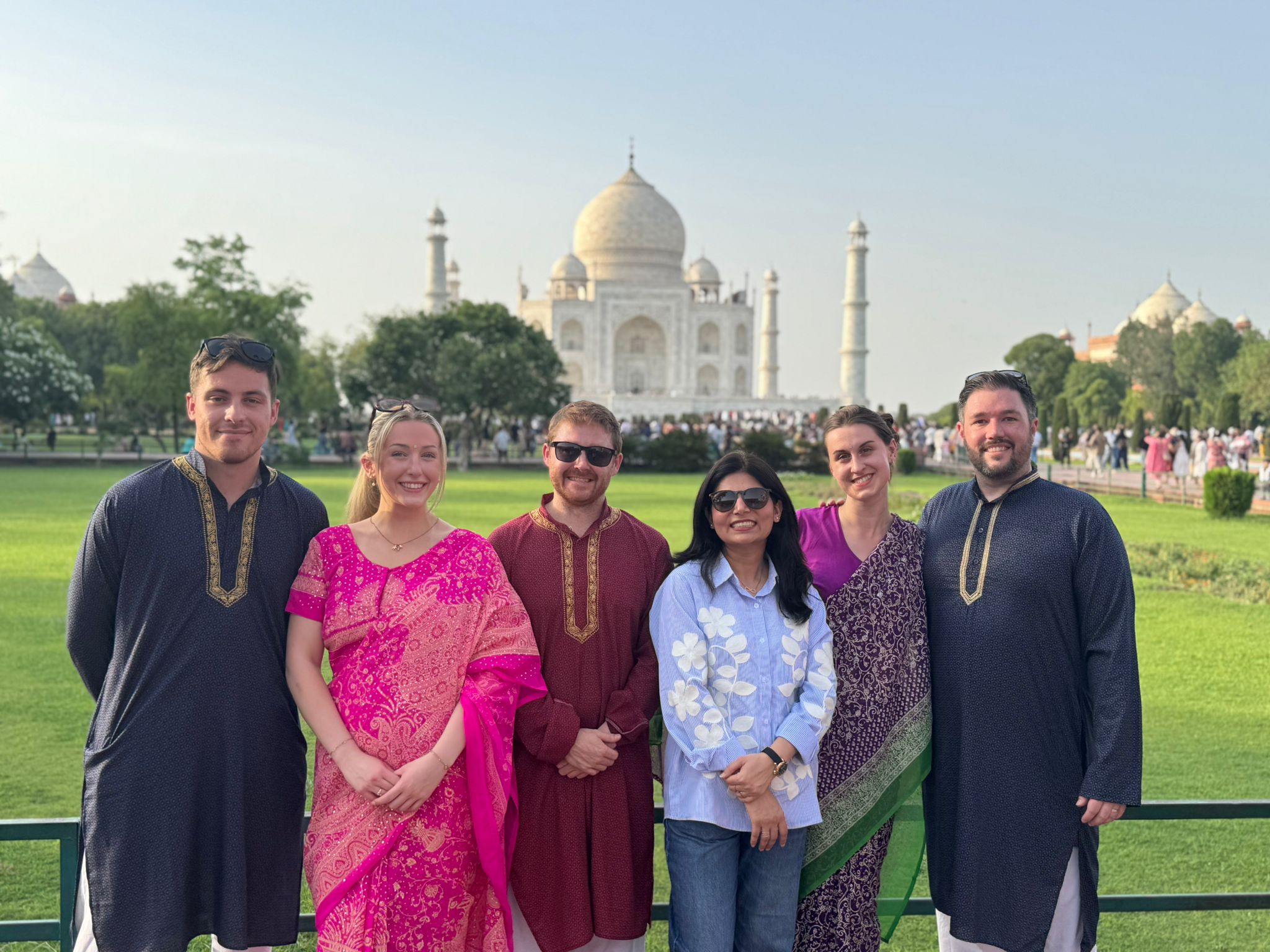
Agra comes in at number 4 on the list of the best budget luxury stays in India at GBP42/ INR4,360 per night. With the Taj Mahal in the neighbourhood, it’s a popular choice for a destination wedding of course though there’s plenty else to do too including restored Mughal gardens.

The Best Options for stay in Agra: The Park, Crystal Sarovar Premiere, Hotel Grand Imperial, Howard Plaza - The Fern, ITC Mughal, Jaypee Palace, Radissin Blu, Ramada, Royal Regent, Royal Residency, Taj Gateway. Tajview, Agra - IHCL SeleQtions, The Lalit, The Oberoi Amarvilas, Trident, Utkarsh Vilas

Kolkata

Kolkata makes its place on the list of luxury budget stays in India with an average tariff at GBP50/ INR5,200 per night. The City of Joy as it is called is east India's vibrant cultural hub. Home to exquiste architceture, arts, crafts, music 

The Best Options for stay in Kolkata: The Lalit Great Eastern Kolkata, The Oberoi Grand, The Park, The Peerless Inn

Delhi

The colorful capital city of Delhi is the fahas stellar hotel deals not to mention star restaurants and ample getaways: here’s a big fat hotel guide to road trips from the capital.

Mumbai comes in at #7 at GBP52/ INR5,400 per night. Visitors to India’s cultural capital are spoiled for choice when it comes to city hotels, superb restaurants and beautiful weekend resorts.

Jaipur

Luxury hotels in Jaipur

Jaipur is the eighth least expensive city for a plush stay at GBP56/ INR 5,800. Two of the city’s newest hotels made it to the 2021 Hot List. Both have excellent dining options, alongside the city’s more established eateries, and they’re only the latest in a slew of great hotels in Jaipur and Rajasthan (which has many lesser-known gems).


Board Luxury Trains in India for an Unforgettable Vacation

by

Trains in India are more than a mode of travel, they are an experience in itself. Indian Railways offers not just journeys but some amazing holidays. Board any of the luxury trains in India and be a part of an unforgettable vacation. The Indian luxury trains are royal rides for guests to enjoy India like never before.

Luxury train travel in India has been around for the last almost 30 years, since the introduction of the Palace on Wheels. With some of best luxury trains of the world, train travel has been in growing popularity, There are now 4 Luxury train trips that are available regularly during the tourist season from October to March/April each year.

Deccan Odyssey

Given the many options, whatever you choose, each of them focus on luxury train travel in India. The very popular Palace on Wheels, the first of its kind that travels through the most popular tourist circuit, the Golden Triangle, including cities of Delhi, Agra & Jaipur, in addition of other cities of Rajasthan or others. The much-awarded Maharajas’ Express is counted among the best luxury trains in the world. Like its name, you will feel like a Maharaja. Specially-crafted with modern amenities and royal décor, each of its journeys are unique, different from each other presenting India is all its glory and elegance. The Deccan Odyssey is another popular name with many awards & accolades offering incredible experience of the country. Golden Chariot along with Royal Rajasthan on Wheels are some of the most popular choices.

Luxury trains in India

With booking any of the luxury train tour packages, be prepared for a wonderful holiday with friends and family. The idea is to enjoy the utmost comfort and the treatment that India is famous for giving out to its honored guests. Whether you want to pay a visit to the Taj Mahal, the icon of love in Agra, go shopping in Jaipur or indulge in wildlife safari at Ranthambore national park, visit the Umaid Bhawan Palace of Jodhpur, or go for sightseeing at any of the World Heritage Sites, or a spa session on a city hotel, the train tours are totally concerned about your comforts. Forget queues or hassle of planning, packing, repacking and worrying about the hotel and transport, simple step aboard one of the Indian luxury trains and begin your journey exploring India like never before.