india

A Tale of Two Safaris: Africa and India

by

I have always been fascinated by the idea of a safari, the idea of what might appear around the next bend, the sudden silence of the wilderness and the possibility of seeing an animal in its natural habitat. Perhaps this is what makes the safari such a compelling journey – you never know what awaits you.

The word safari comes from the Swahili word for ‘journey’ and has become synonymous with exploring the wilderness and viewing wildlife in its natural habitat. Today, we tend to associate this word more strongly with Africa and India, which can sometimes give the impression that the safari experiences are much the same in both these destinations.      

But the more I learn about safaris in these two parts of the world, the more amused I get just how different they can be. While there are parallels, the reality is quite different. India and Africa offer two distinctively different experiences shaped by their landscape, wildlife, conservation practices and the way visitors explore their national parks and reserves.

The Terrain: Open Savannahs vs. Dense Forests

The landscape is perhaps the first thing that sets an African safari from an Indian safari. The vast open savannahs and floodplains provide uninterrupted views of the wilderness in an African safari. Herds of elephants and buffalo can often be seen from a considerable distance, thus defining the classic African safari experiences.

The Indian picture is different. Its wildlife reserves are characterized by dense forests, jungles, grasslands, lakes and rivers, thus concealing the wildlife as well as revealing it. A rustle in the undergrowth or a pugmark can be enough to set the heart racing.

I find this contrast fascinating. While Africa often puts the wilderness on display, India makes you search for it.

The Wildlife: Abundant vs. Elusive

Africa is renowned for its abundance of wildlife and the ease with which animals can be observed in the open. One of the defining features of an African safari is the presence of large herds of animals in masses with the possibility of wildlife sightings throughout the day.

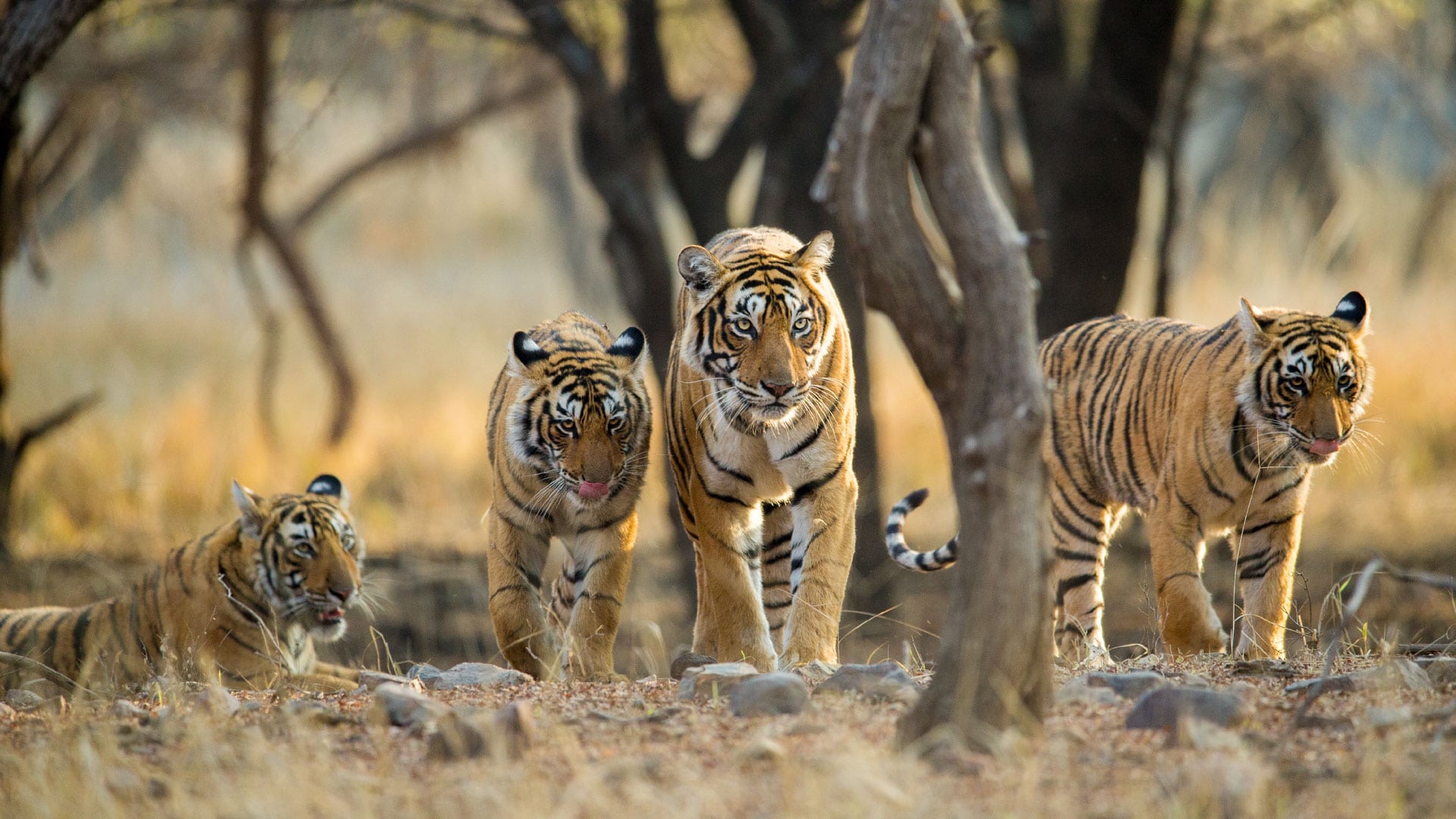
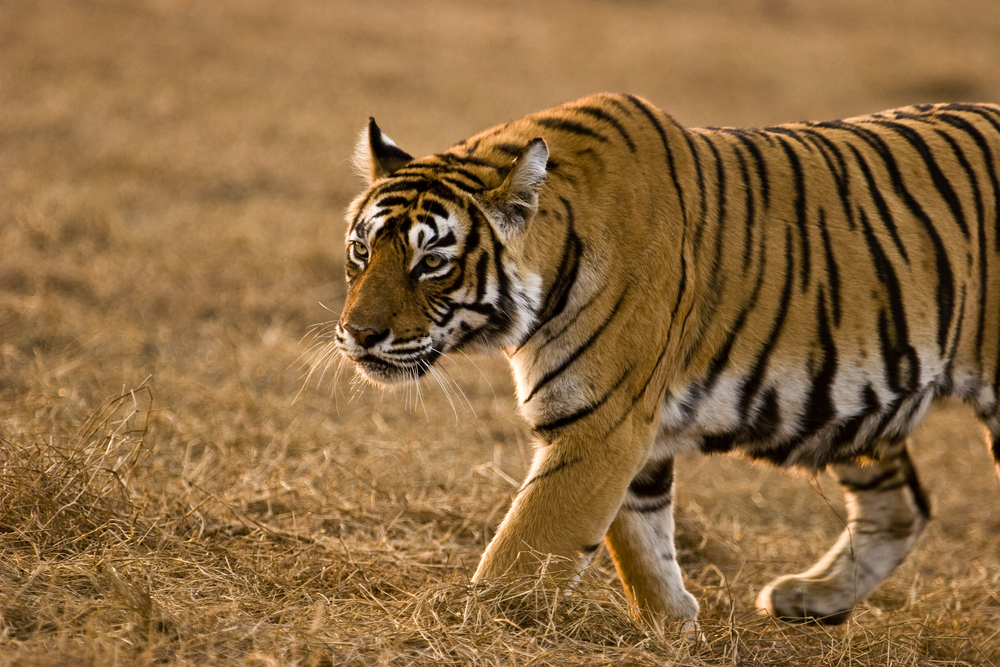
In India wildlife can be considerably more elusive. It is quite possible to spend several hours exploring a national park or a tiger reserve without seeing a tiger or a leopard. Yet, to me, this is part of what makes the Indian safari so compelling. The anticipation builds with every turn and when a tiger finally emerges from the forest even for just a few seconds, the encounter can feel all the more extraordinary.

The Animal: Africa’s Big Five vs. India’s Icons

For many travelers, Africa’s wildlife is described by the legendary Big Five: Lion, Elephant, Rhinoceros, Buffalo and Leopard. Seeing these magnificent animals roaming freely across the African wilderness is the classic sight of an African safari.

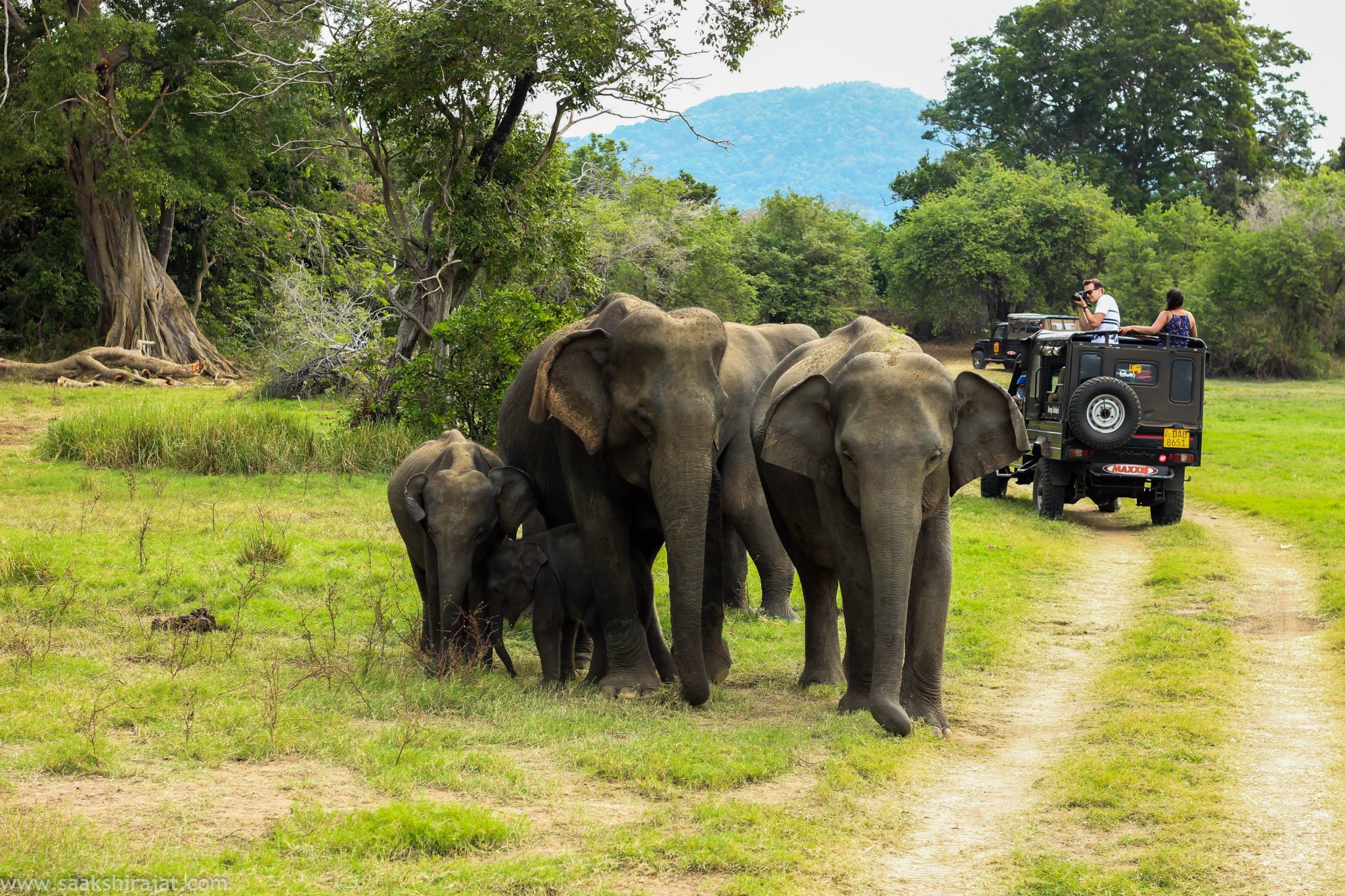
India has its own iconic wildlife. The majestic Bengal Tiger, Leopards, One-Horned Rhinoceros, Asiatic Elephants, Sloth Bears, Wild Dogs and several species of Deer are among the stars of an Indian safari. Depending on the region, it is also possible to encounter Asiatic lions. India is a birdwatcher’s paradise, with specialist birding experience available in many national parks.
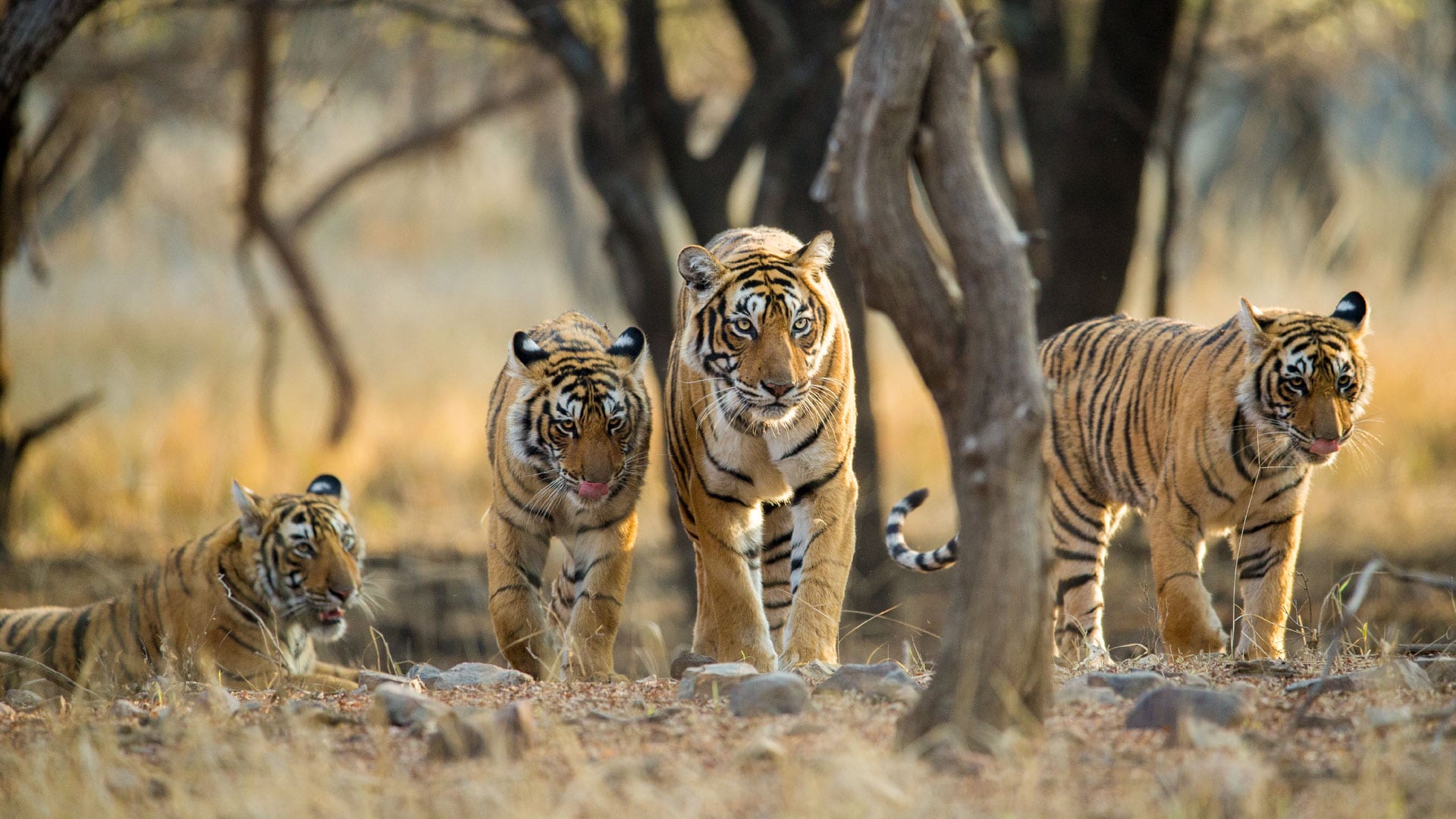
Luxury tiger safaris in India

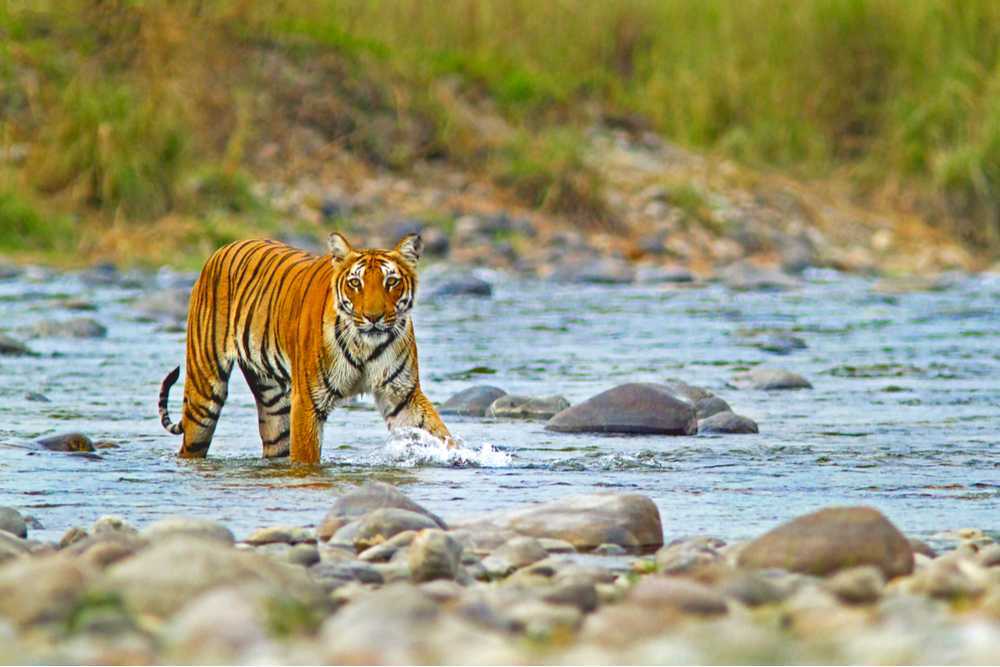
The tiger is the undisputed star of any Indian safari, the more I explore this subject, the more I realize that there is far more to discover. By combining different parks and states, travelers can experience an extraordinary diversity of wildlife.

The Safari Experience: Vast Wilderness vs. Regulated Exploration

The size and scale of the reserves also influence how a safari experience unfolds. Most of the African safari reserves are vast, allowing for longer game drives across expansive wilderness areas. In many destinations, night safaris are also available, giving visitors a chance to see animals that become active after sunset and are rarely seen during the daytime.

Indian safaris are more systemized. The National Parks are divided into ‘core and buffer zones’, with restricted access to the core zones. The safaris have designated timing along permitted routes, thus creating a controlled but more focused wildlife experience.

Even the vehicles reflect difference in terrain. While large Land Rovers and Land Cruisers are common across Africa, smaller agile jeeps are a common sight at the Indian safari. Depending on the park and local regulations, a naturalist or a forest guide may accompany visitors.

Walking safaris are also possible in India, however, they are conducted with a forest guide for safety. Unlike Africa, night drives are restricted only to designated buffer zone areas, offering a completely different perspective of forest after the sunset.

Accommodation: Camps in the Wilderness vs Lodges outside the Park

Accommodation is another difference that I find interesting. In Africa, there is a wide choice of camps and lodges within or close to the reserves, allowing visitors to feel immersed in the wilderness even after the day safari is over.

In India, all accommodation is situated outside the national parks or tiger reserves, often in the surrounding areas. The day begins with a journey from the lodge towards the park gates, with the anticipation building as we inch closer to the forest. This creates rhythm to the experience.

An African safari feels like an extended immersion in the wilderness, while an Indian safari has a distinct journey into and out of the forest.

Two Safaris, Two Very Different Journeys

The more I learn about safaris in Africa and India, the clearer it becomes that they should not be viewed as competing experiences. They simply offer two very different ways of experiencing the wilderness.

While Africa is about open landscapes, abundant wildlife and long drives across vast wilderness, India is about patience, anticipation and the thrill of discovering wildlife within the dense forests.

For me, this is what makes the comparison so interesting. Whether it is the sight of elephants crossing the African landscapes or the hope of a tiger emerging from the Indian jungle, the essence of a safari remains the same a journey into the unknown where nature sets the agenda.


By Daxta Pandey August 2026

Free entry to national heritage monuments in India till August 15

by

India is celebrating its 75th Independence Day on August 15, 2022. Also occasionally referred to as a Diamond Jubilee, a 75th year celebration is a big one and India is leaving no stones unturned to make this celebration as great as possible.

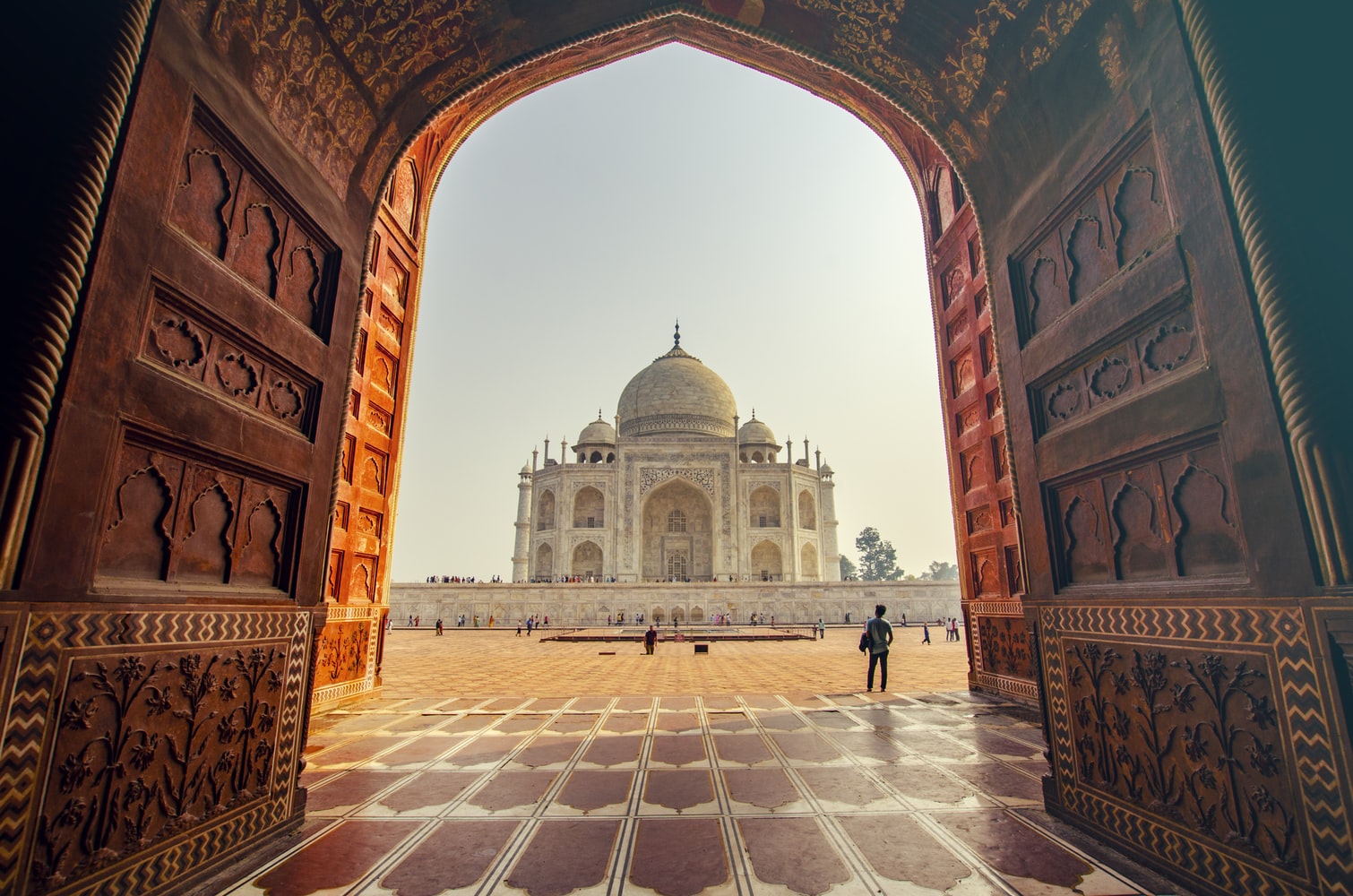
One way to celebrate the grand 75th year of Independence is by paying a visit to as many national monuments as possible. And this can be done for free from August 5-15 as the Ministry of Culture and Tourism, Govt. of India, has announced that entry to all monuments protected under the Archaeological Survey of India (ASI) will be completely for free, as a part of the Azadi ka Amrit Mahotsav campaign.

No fee will be charged at any of the ticketed ASI protected monuments as well as Archaeological Site museums. This is not just for domestic tourists but for visitors from all over the world as well. There are a total of 3,693 monuments under the care of the Archaeological Survey of India (ASI). Out of these, there are 116 ticketed monuments and 32 museums under the protection of ASI. Monuments including the Taj Mahal, Humayun’s Tomb, Safdarjung Tomb, Tughlaqabad Fort, Old Fort (Purana Qila), Red Fort, Jantar Mantar, Konark Sun Temple, Golconda Fort, Ajanta and Ellora Caves, Charminar, Shaniwar Wada, are some of the many monuments that are also very popular tourist attractions.


Top 10 Reasons To Travel To India

by

India is a travellers’ paradise and has been one for centuries. The vast country with its extremely colourful diversity has everything that a traveller could desires. Thousands of years of history, colourful heritage & culture, savoury food, pampering hospitality, and incredible experiences.

Be it the mighty Himalayas, lush Ghats, serene backwaters, beautiful beaches, the timeless Thar Desert, royal palaces & opulent forts of Rajasthan, verdant jungles of Central India, unexplored nooks and corners, India has a lot for its travellers to discover. If you are seeking one reason to travel to India, you can find hundreds.

Here are top 11 of the handpicked reasons to visit India.

1. Architecture

Taj Mahal

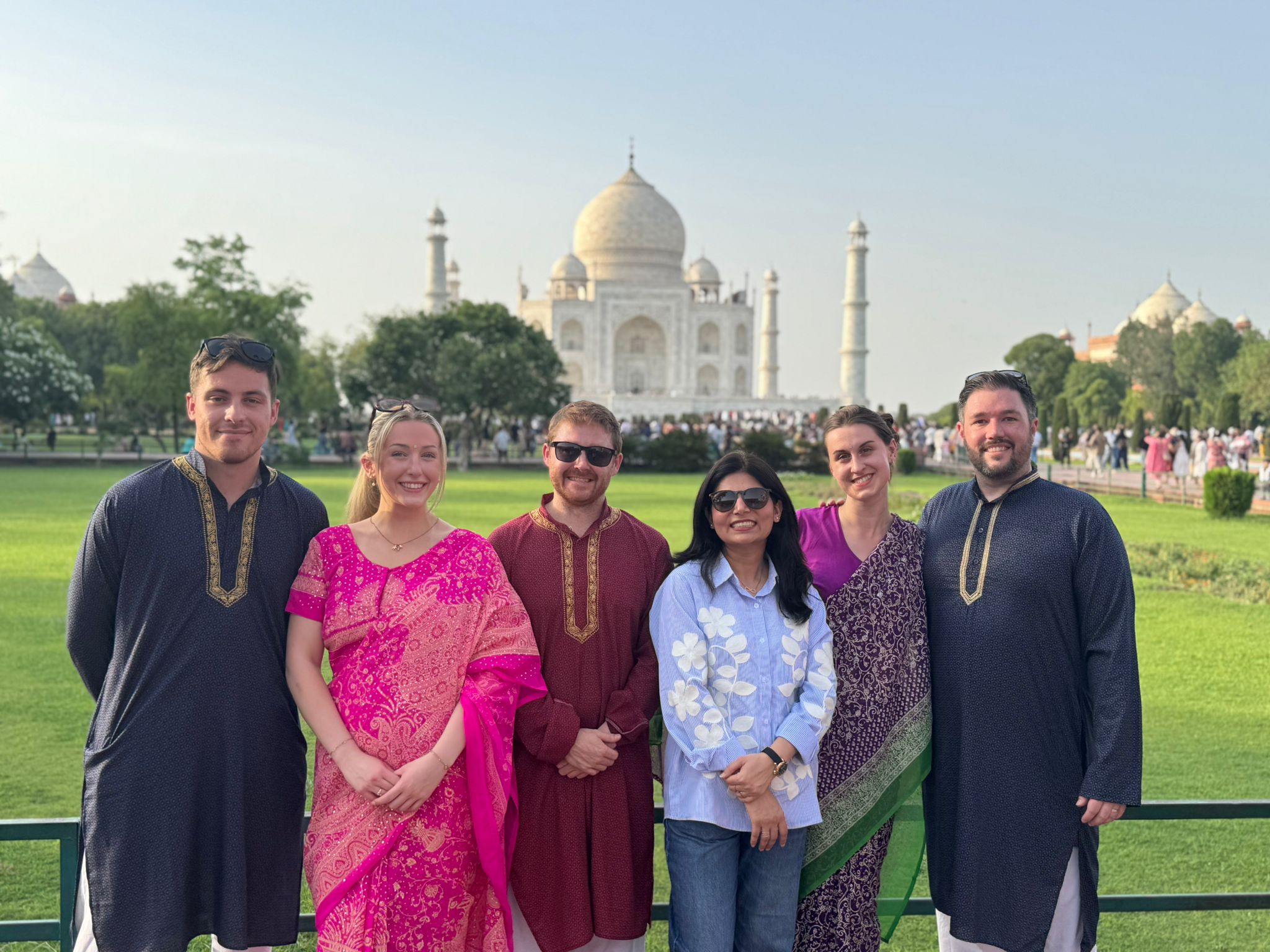
The most stunning piece of India’s incredible architecture, the Taj Mahal is one of the most visited monuments in the world. The ‘Wonder of the World’ is a masterpiece of finesse crafted in stone. Besides the Taj, there is a lot to explore. There are around 38 UNESCO World Heritage Sites and even more unlisted heritage sites. From intricate South Indian temple architecture, mighty forts of Rajasthan, opulent palaces, ancient caves, and masterpieces of stone.

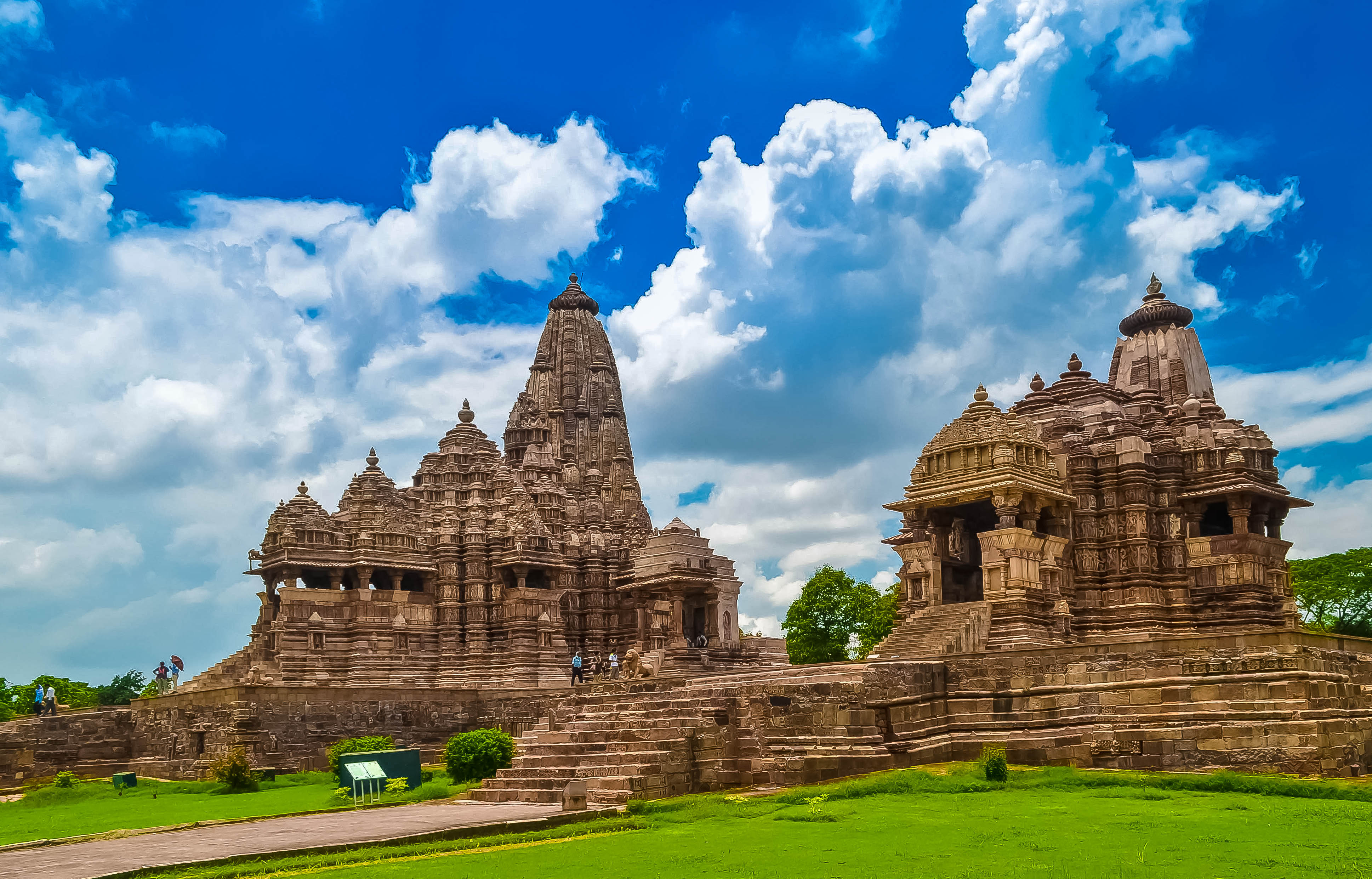
Be it Ajanta or Ellora Caves, Bhimbetka Caves, Kamasutra-inspired temples of Khajuraho or the majestic ruins of Hampi; witness heritage of hundreds of centuries.

2. Wildlife

Wildlife in India

India is home to unique wildlife. The country has lush jungles, national parks and wildlife sanctuaries which is home to a wide range of species of the animal kingdom.

A wildlife holiday in India is a chance to go on jeep safaris and elephant safaris. Come across the majestic royal Bengal Tigers, Asiatic Lions, one-horned rhinoceros, elephants, deer, gaur, colourful birds and even migratory birds that inhabit the lands only in the winters.

3. Unique Diversity

When it comes to India you come across unique diversity. From beaches to backwaters, hill stations to valleys, jungles to desert, waterfalls to caves, the land is blessed. From the rainiest places on Earth to the places that never get any rain there is an extreme diversity, one that makes you feel blessed to explore India.

4. Spirituality

If 5000 years of civilization have given India something it is the rare understanding of spirituality. The ancient ghats of River Ganga in Varanasi is said to be where one experiences the divine. There are ashrams in the Himalayas and many other rituals that are a treasure of spirituality.

5. Adventure

Adventure is a feeling you just cannot miss on your trip to India. There are mountains with a number of thrilling treks, skiing, camping, river rafting, etc. Beaches have many water sports to boast about. From the secrets of the marine world to the excitement of capturing the waves or sailing over the sea breeze.

6. Indian Food

Indian food is a vital part of the rich culture. Tasting the diverse cuisines is an enriching travel experience in India. With so many cuisines, owing to the diverse geography, culture and unique style of cooking, there is never any shortage of delightful delicacies to try. From the rich spice-filled preparations to meals that adhere to Ayurveda, there are dishes that treat your taste buds. 56 dishes meals, street foods, dessert, feasts and more, get ready to be pampered with soulful preparations.

7. Luxury Hotels

Luxury hotels in India

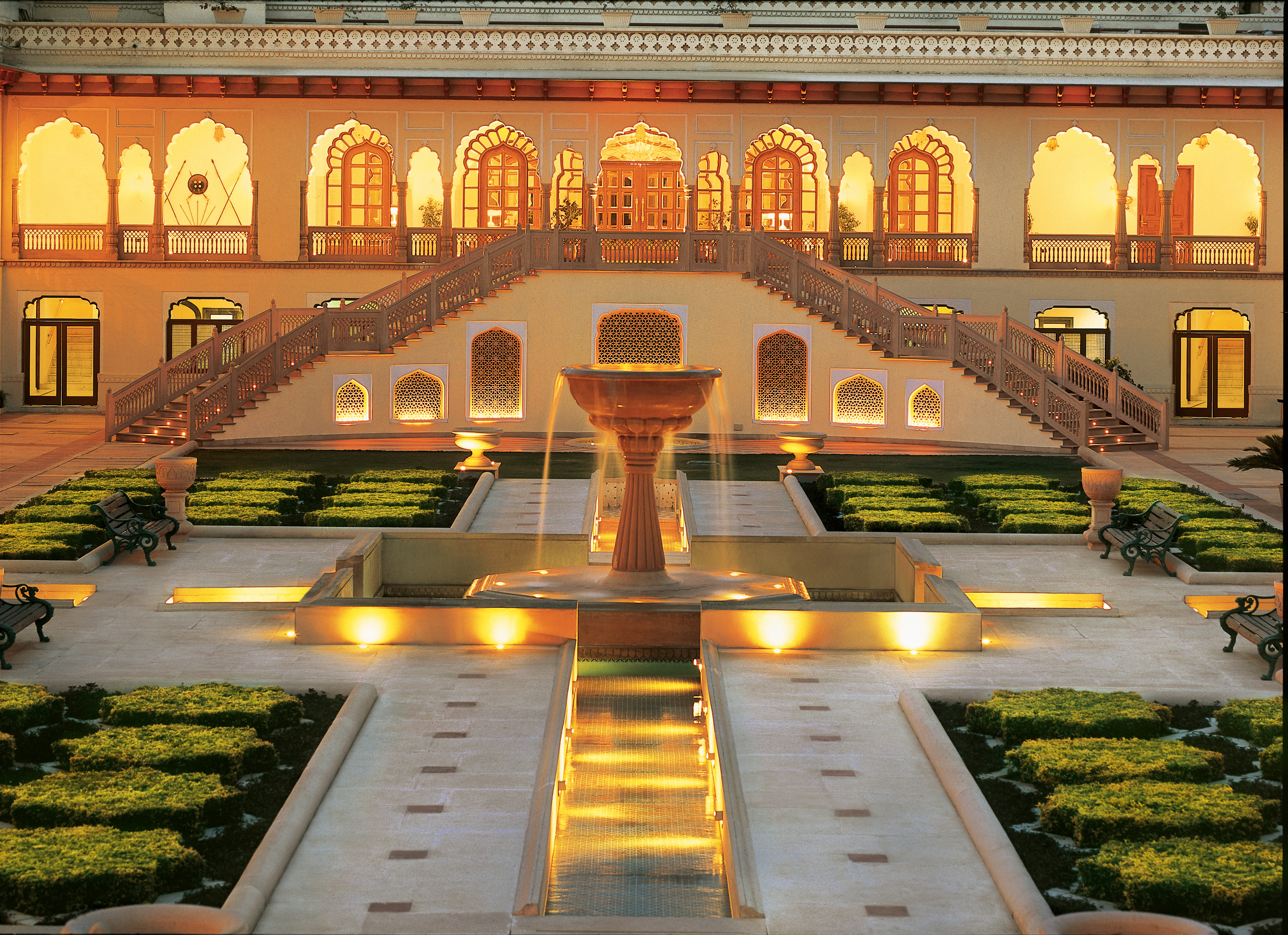
Heritage hotels in India have kept intact the days of glory. While Rajasthan abounds in many properties, there are also amazing options all over the country. A stay at heritage hotels in one of must-try experiences in India. Relive the history, marvel at architecture, enjoy being pampered as royalty, and have the best time of your life.

8. Yoga, Meditation, Ayurveda at an Ashram

Yoga, Ayurveda, and other holistic treatments are ancient traditions of India. To experience bliss, harmony, and the secrets of wellness, stay at an ashram that practices these traditions. The peace you feel is one of the most cherished experiences in India.

9. Backwaters of Kerala

Backwaters of Kerala

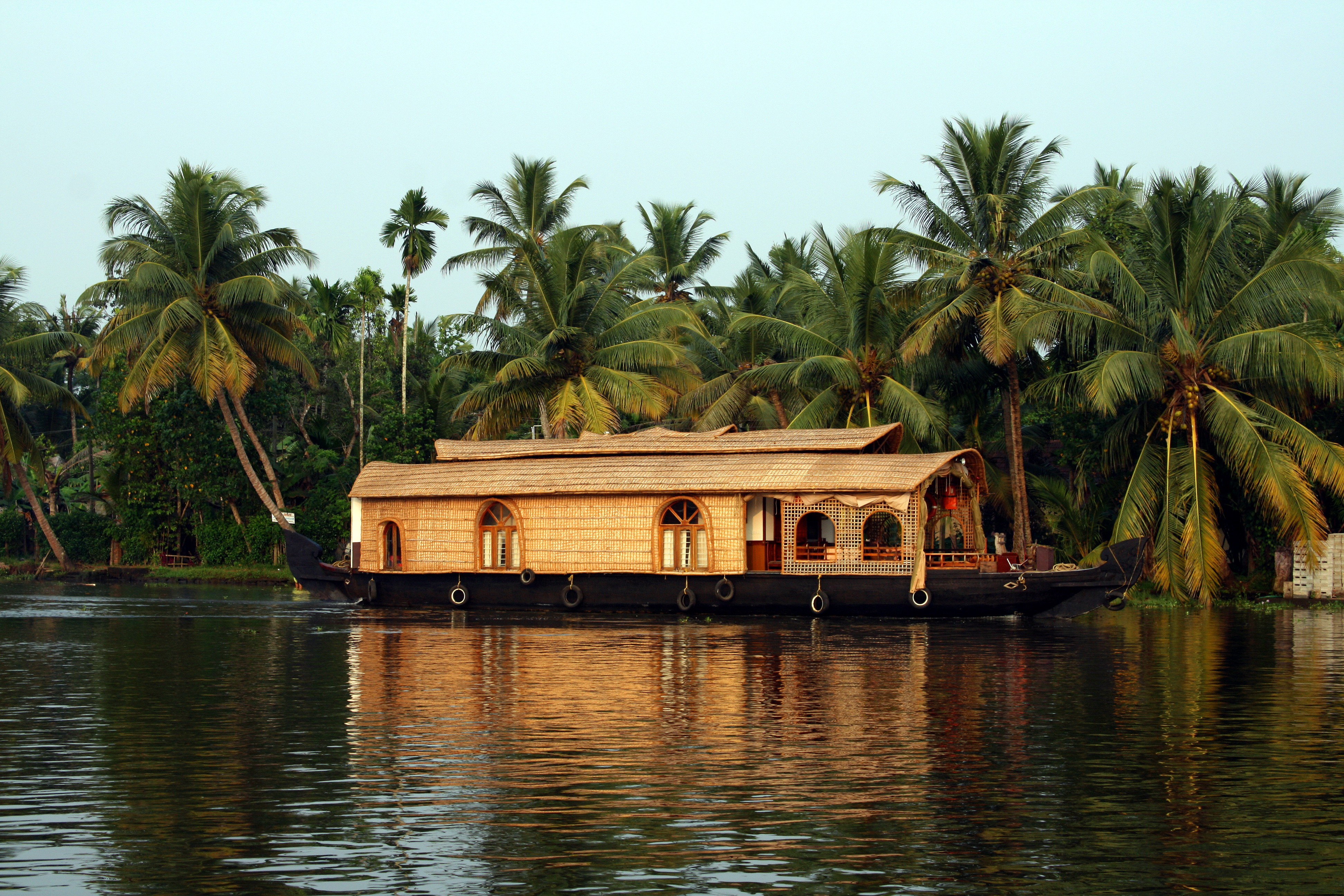
If you would like to float on the backwaters in a luxury houseboat then there isn’t better waters than Kerala Backwaters. The network of waters is also known for adventure watersports and many others for preserved nature. 

10. Luxurious Rail Journey

luxury trains in India

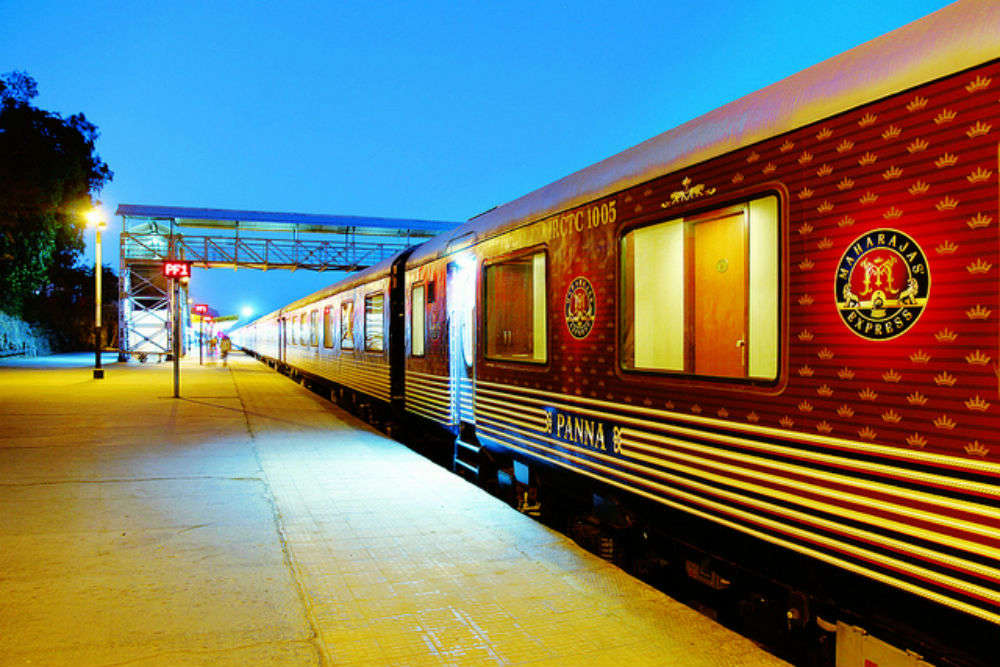
India has four luxury trains providing luxury tours to the best destinations in India to guests. There are also premium 5-star hotels where they can get pampered with luxury ambiance, hospitality, and top cuisine during the tour. These are carefully appointed cabins on board with world-class facilities and destinations and itineraries are well-appointed.

These are generally week-long itineraries with sightseeing at the top tourist destinations in India. It is the best way to feel the great hospitality and warmth of the people here. During your luxurious train travel, you can also see old historical forts, monuments, and palaces. It is the way to live like a king or queen for a week on a luxurious rail journey in India.


Experience Royal Life at the Heritage Hotels in Rajasthan

by

India has a vast history of royalty, their incredible lives and even more magnificent palaces. Rajasthan, the land of royals is the well-renowned seat of Rajputana, warrior dynasties that ruled over their kingdoms. Located in western India, the land is depicted by some of the most amazing architectures. While many have been kept open for visitors to explore many are transformed into heritage hotels in Rajasthan. These wonderful luxury properties to date continues to amaze with the sheer display of splendor and world-class facilities.

Heritage hotels are not just the pride of Rajasthan but also some of the best stays in India. They exhibit the immaculate craftsmanship of the bygone era and Rajputana’s penchant for fine architecture.

Next time you book a Rajasthan package, make sure you stay at one of these heritage hotels and experience the best of hospitality.

1. Umaid Bhawan Palace, Jodhpur

Savor the legendary Umaid Bhawan Palace at its glorious best. The exceptional hospitality and legendary ensembles put it at the top of best heritage hotels in Rajasthan. The record book says that it’s the world’s 6th largest private residence.

What’s special: Dinner at Risala serving Continental & Indian Fusion, heritage walks, city tour, indoor and outdoor recreational facilities

2. Taj Lake Palace, Udaipur

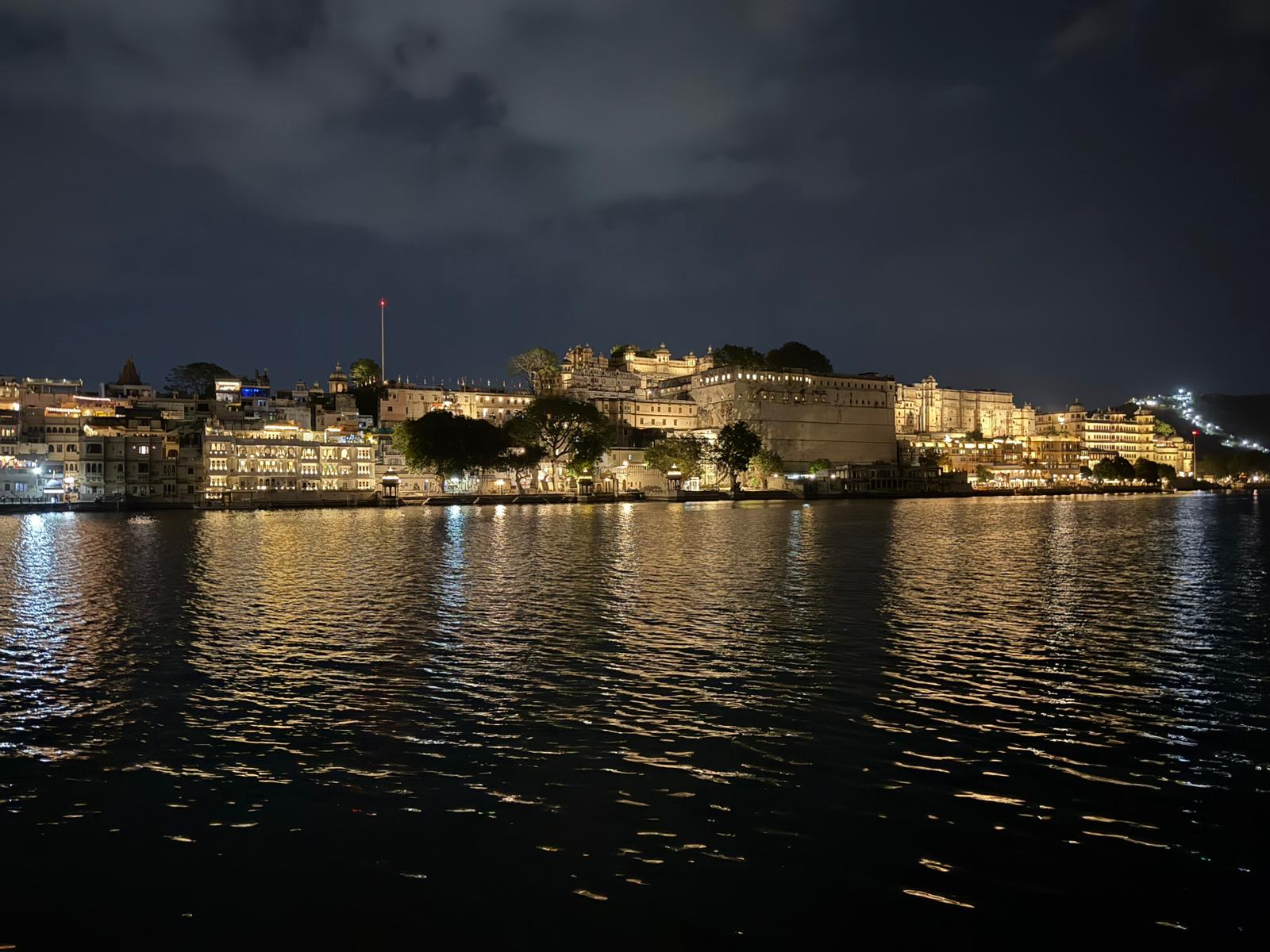
The perfect location of the palace encircled by Lake Pichola along with City Palace, Aravalli Hills, Machla Magra Hills and Jag Mandir makes a spellbinding backdrop for those dining at the top of the hotel’s terrace.

Fairy-tale weddings, fascinating honeymoons, and rich traditions of the past make the Taj Lake Palace an enthralling grandeur.

What’s special: Royal welcome at the Badi Pal Jetty, Jiva boat spa in lake Pichola, and heritage walks

3. Rambagh Palace, Jaipur

A glorious past, vibrant present, and a promising future make Rambagh Palace a proud heritage hotel in Jaipur, which has stood at par with the grace of Rajasthan.

Rambagh Palace has remained a testimony to numerous transitions over the ages. It was first the residence of queen’s handmaiden, then became a guesthouse and hunting lodge for the royalties. In the end, it belonged to Maharaja Sawai Man Singh II.

What’s special: Heritage walks, grand welcome, and spa

4. Rohetgarh, Jodhpur

Set in the midst of rural surroundings, Rohet Garh is a heritage hotel in Rajasthan located on the banks of a lake. Migrating birds keep frequenting the oasis and turn it into an enlivening retreat. Get dazzled by the splendid hues and decor of the kingly rooms and suites.

What’s special: Village safaris, royal picnics, bird watching, and culinary workshops

5. Samode Palace, Jaipur

From being a humble host to celebrities, royalties, and artists to presenting an ideal retreat for avid travelers, Samode Palace has excelled in giving its stamp of authority with panache.

Speaking of design aesthetics, walls of the palace are adorned with ancient murals, which can be felt as you run your fingers across the contours on the wall. They are ably complemented by the antiques from days of golden past. Be it experiencing a soul-soothing massage or soaking the charm of Jaipur, Samode Palace makes for one of the most prominent choice on the list of most sought after heritage hotels in Rajasthan.

What’s special: Mughal garden at Samode Bagh, horse & camel safaris, special tours to sand dunes, and hot air balloon

6. The Lalit Laxmi Vilas Palace, Udaipur

Sitting atop a hill in the heart of Udaipur, the Lalit Laxmi Vilas Palace is a notable heritage hotel in Rajasthan. It has 55 rooms and suites equipped with state-of-the-art facilities and offering gorgeous city view.

The hotel banks on the traditional aesthetics of Rajasthan and also serves its patrons with horse ride, puppet show, and royal salute..

What’s special: Camel & horse rides, and puppet show

7. Neemrana Fort Palace, Alwar

Located on the Delhi-Jaipur highway, Neemrana Fort Palace acts as an ideal weekend getaway from Delhi. It is also a good venue to organize, feasts, celebrations, and conferences. The 15th-century heritage hotel in Alwar boasts of hanging gardens, an Ayurvedic spa, shimmering outdoor pools, and zip-line for adventure lovers.

Defined by beauty and glorious history of Alwar, Neemrana is a royal retreat that must be experienced at least once. Plan a stay to experience the best of royal Rajasthan.

What’s special: Spa & pool, zipping, step well, vintage car ride, and camel ride

8. Fort Rajwada, Jaisalmer

Fort Rajwada is the proud bearer of the baton of charm and glory that has been synonymous with Jaisalmer since time unknown. One of the most elegant heritage hotels in Rajasthan, it brings you the imperial opulence, tranquil solitude of the desert and the adventure of dunes.

A gorgeous mix of the modern and the classical, which is widely eminent in the neutral shades of sandstones that make the palace, poolside barbecue, and rooftop view of the sunset.

What’s special: Camel & jeep safari, city tours

9. Ras Devigarh, Delwara

One of the best luxury hotels in Rajasthan, India, RAAS Devigarh has established a name for itself. What once used to be the residence of the rules of Delwara in the 18th century is now a luxury resorts in India where people come to have a pampering holiday. Along with luxurious amenities, the hotel has crafted curated experiences for its guests to make their holiday as unique as possible.

What’s special: Spa, Pool Deck, Restaurants

10. Deogarh Mahal, Rajsamand

Once inhabited by the rulers of Deogarh Family, the affluent residence has now been converted into a heritage hotel. The opulent palace pampers its guests with luxury amenities. It is also a popular venue for weddings and events

What’s special: Restaurant, pools, jacuzzi, Ayurvedic massage